

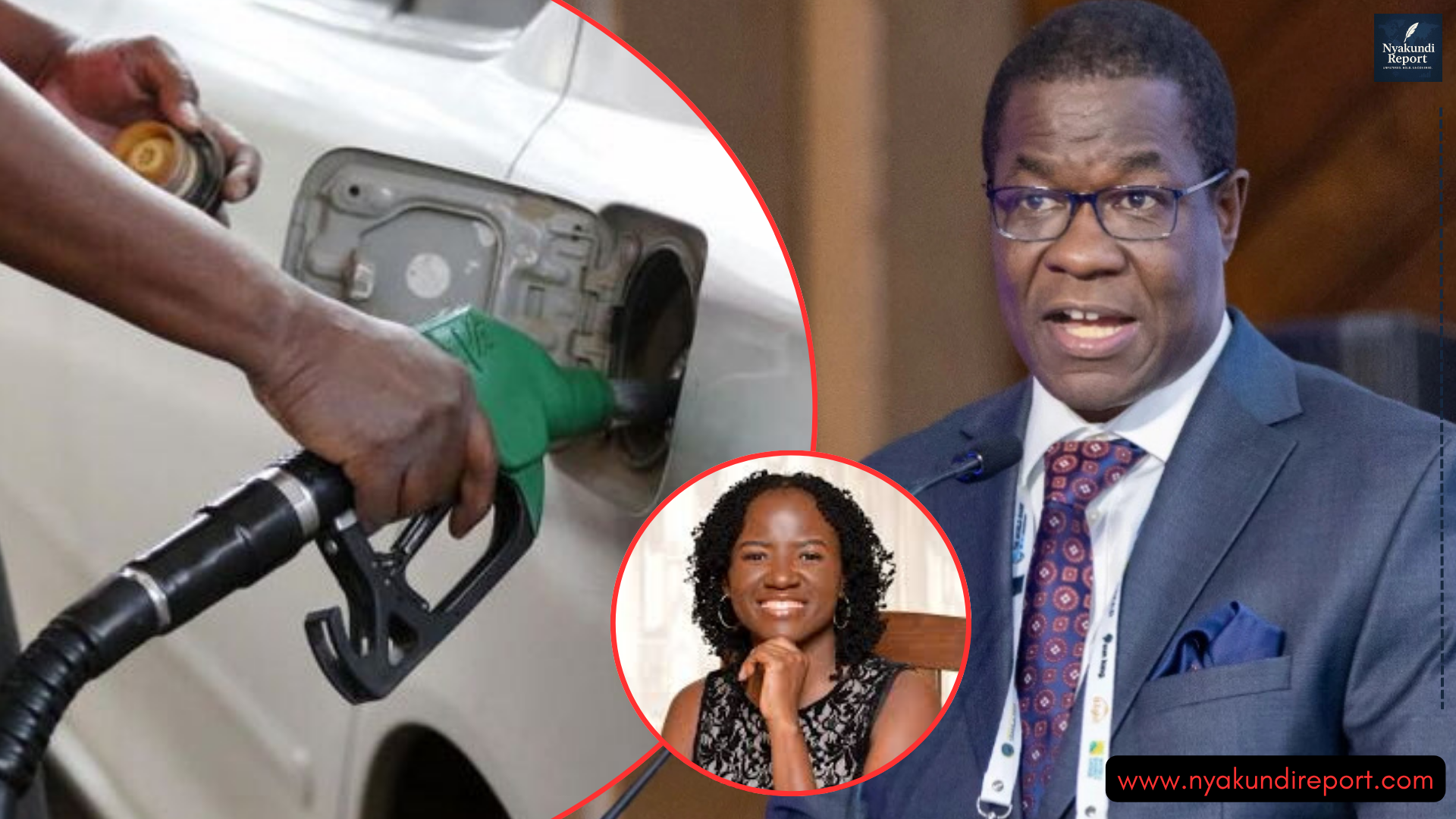






Kenyans are now on the hook for up to Ksh3.2 billion after the government abruptly cancelled a controversial fuel import deal, leaving a stranded oil tanker and a furious shipping company demanding compensation.
The Senate has launched an investigation, the anti-corruption watchdog has stepped aside, and the DCI is circling. Meanwhile, fuel prices have smashed through the Ksh200 mark, squeezing ordinary Kenyans who had nothing to do with the mess.
This is the story of how a botched procurement deal became Kenya’s latest public funds scandal — and who will ultimately pay the price.
The Ksh3.2 Billion Fuel Import Deal That Collapsed Before the Tanker Could Dock
The government awarded a procurement contract to a private shipping company and directed it to import fuel into Kenya. The company followed those instructions, securing a tanker carrying 96 tonnes of fuel destined for the Port of Mombasa. Then, without warning, the government cancelled the deal.
That single decision triggered a financial catastrophe. The company says it incurred costs in demurrage, premiums, and other charges that now total over Ksh3.2 billion — approximately 25 million US dollars. It is now demanding that the Kenyan government foot the bill.
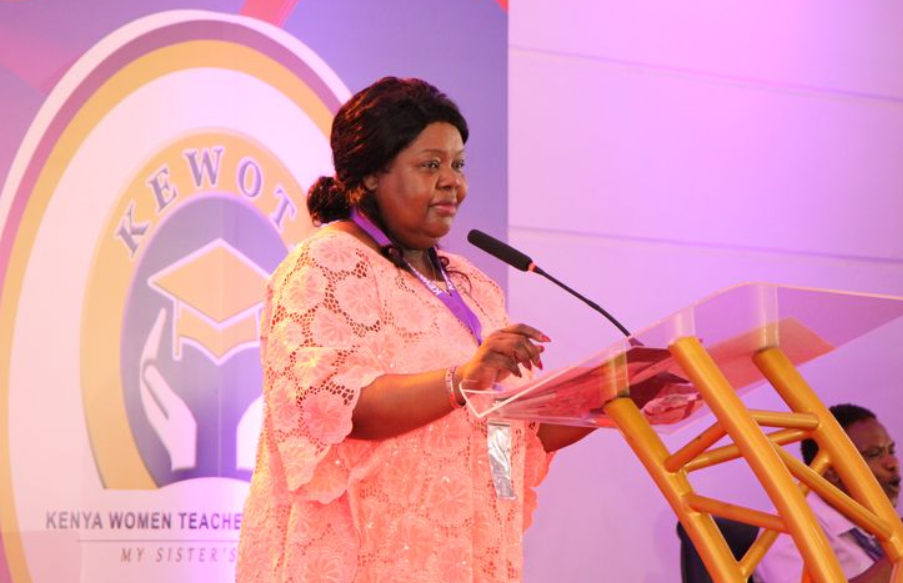
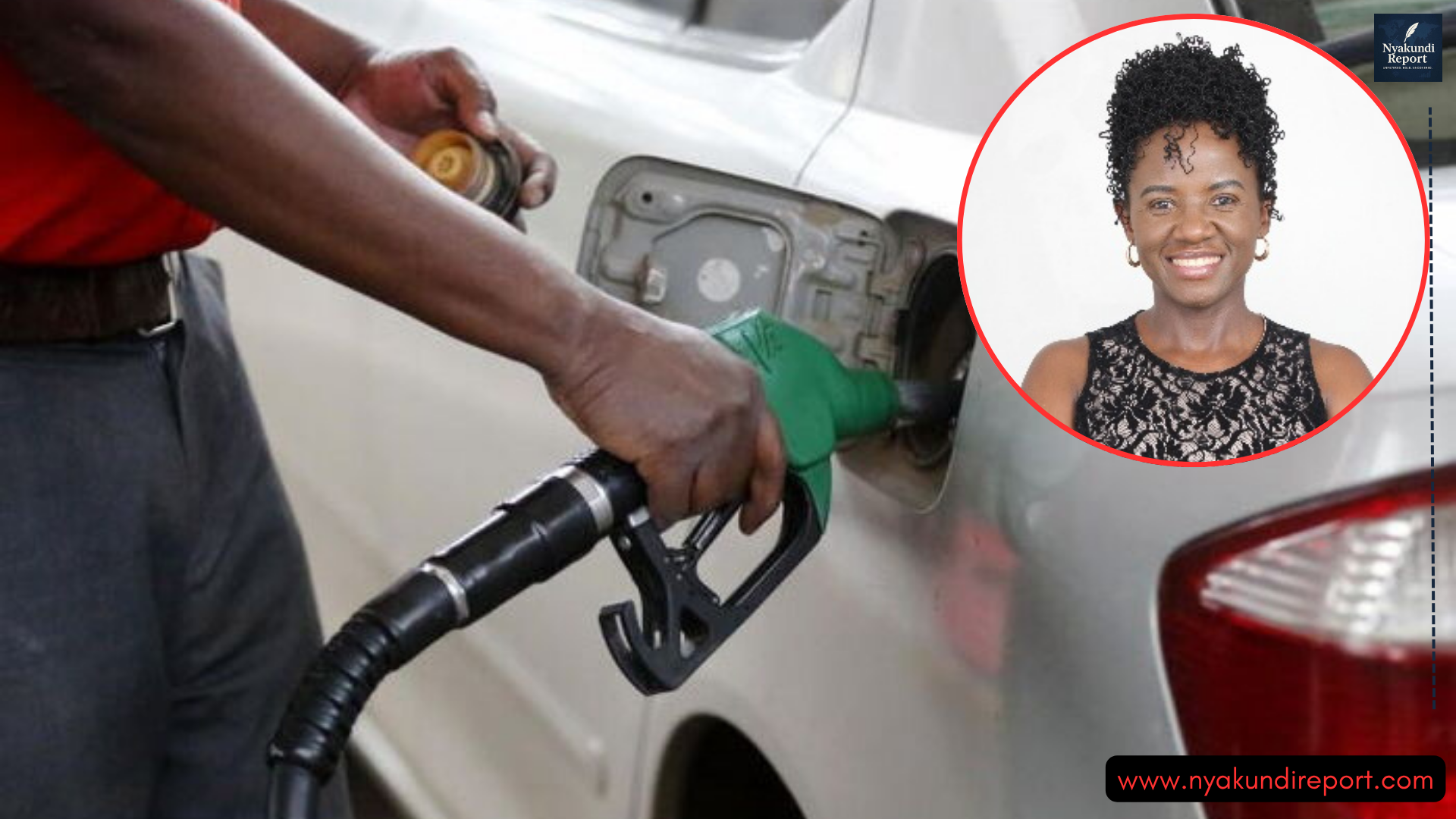
Company manager Angeline Maangi appeared before the Senate Committee on Energy and laid out the scale of the losses. She explained that the firm had entered the agreement on direct instructions from the Ministry of Energy and had no reason to expect the deal would collapse.
“The damages we incurred are upwards of 25 million dollars, that is Ksh3.2 billion, in the form of demurrage, premiums, and other related costs. Our pricing simply reflected the global market at the time, where supply disruptions forced us to compete with Asian buyers at any cost,” Maangi told the committee.
The scandal deepens when you look at the pricing. Investigators say the fuel in question was imported at between Ksh50 and Ksh80 per litre above the rates available under the government-to-government (G-to-G) framework—the established mechanism designed to shield Kenya from exactly this kind of inflated procurement.
Senate Committee Opens Investigation Into Irregular Fuel Procurement
The Senate Committee on Energy is now investigating two key questions—why the government cancelled the deal and how the procurement happened outside the G-to-G framework in the first place. The G-to-G arrangement exists specifically to eliminate middlemen and secure fuel at competitive prices. Bypassing it raises immediate red flags.
Senators want to know who at the Ministry of Energy authorized the deal, why the company was given the green light to procure outside the standard framework, and what process—if any—governed the decision to cancel it. The abrupt reversal, coming after the tanker was already en route, suggests a breakdown in oversight at the highest levels of the energy procurement chain.
The government has tried to limit the damage by launching recovery proceedings against importers linked to the disputed transaction. But critics argue that pursuing the importers does nothing to answer the harder question—how did this deal get approved in the first place, and who will be held accountable for the resulting Ksh3.2 billion exposure?
EACC Steps Back as DCI Takes the Lead on Criminal Probe
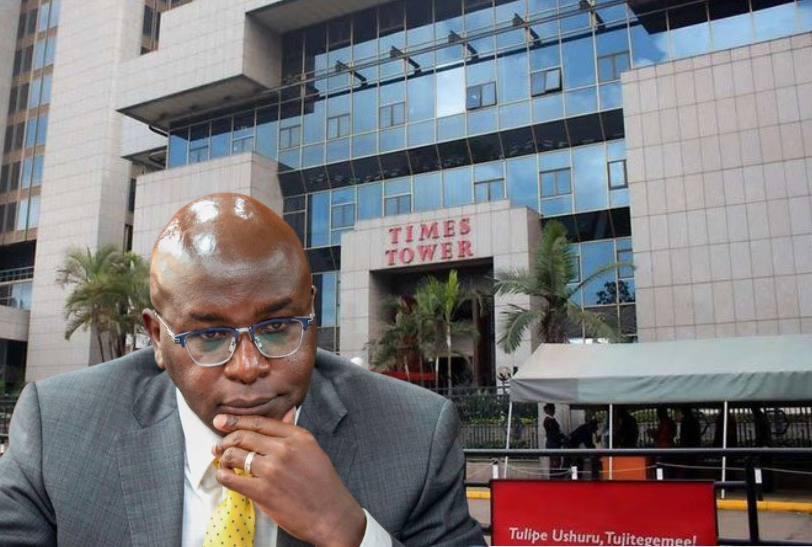
The Ethics and Anti-Corruption Commission (EACC) has confirmed it will not investigate the scandal—at least for now. EACC Chairperson Abdi Mohamud stated publicly that the matter currently falls under criminal jurisdiction and that the Directorate of Criminal Investigations (DCI) is already handling the case.
“That matter is being handled by DCI. In order to avoid parallel investigations, we are not going to commence any investigations. Once DCI starts, we leave it to them to conclude on that and later see if they conclude and we have something on that,” Mohamud said at an anti-corruption workshop with the media on Tuesday.
That position leaves the DCI as the sole agency responsible for the criminal dimension of the scandal. Whether the DCI will move quickly enough — and independently enough — to get to the bottom of it remains to be seen. Kenya has a long history of high-profile financial scandals that launch with dramatic investigations and end with no convictions.
The EACC did leave the door open to involvement. Mohamud indicated that the commission would step in if necessary once the DCI concludes its work. But that timeline offers little comfort to Kenyans who want answers now, especially as the financial fallout from the cancelled deal continues to mount.
Fuel Prices Surge Past Ksh200 as Scandal Unfolds, Adding to Public Pain
The timing of the scandal could not be worse for ordinary Kenyans. The Energy and Petroleum Regulatory Authority (EPRA) released its latest fuel price review on Tuesday, April 14, and the numbers are brutal. Super Petrol jumped by Ksh28.69 per litre. Diesel surged by Ksh40.30 per litre. Pump prices have now crossed the Ksh200 mark.
For millions of Kenyans who depend on public transport, rely on diesel-powered generators, or run small businesses that require fuel to operate, these increases hit hard. The cost of getting to work goes up. The price of goods at the market goes up. Everything connected to fuel — which is almost everything — becomes more expensive.
Against this backdrop, the revelation that public officials may have allowed — or even directed — a fuel procurement deal that bypassed proper procedures and now threatens to cost taxpayers Ksh3.2 billion in compensation is infuriating. Kenyans are already paying more at the pump. They should not also be paying for someone else’s procurement blunder.
The Senate investigation, the DCI probe, and the government’s recovery proceedings are all running simultaneously. Whether any of them produce real accountability — rather than just noise — will determine whether this scandal joins the long list of Kenyan public finance failures that cost billions and claimed no scalps.
For now, the bill is Ksh3.2 billion. And if history is any guide, the people who signed the papers will not be the ones who pay it.