












Angeline Maangi did not stumble into Kenya’s biggest fuel scandal of 2026 by accident. The Managing Director of Oryx Energies Kenya Limited walked straight into it—and the paper trail suggests she knew exactly what she was doing.
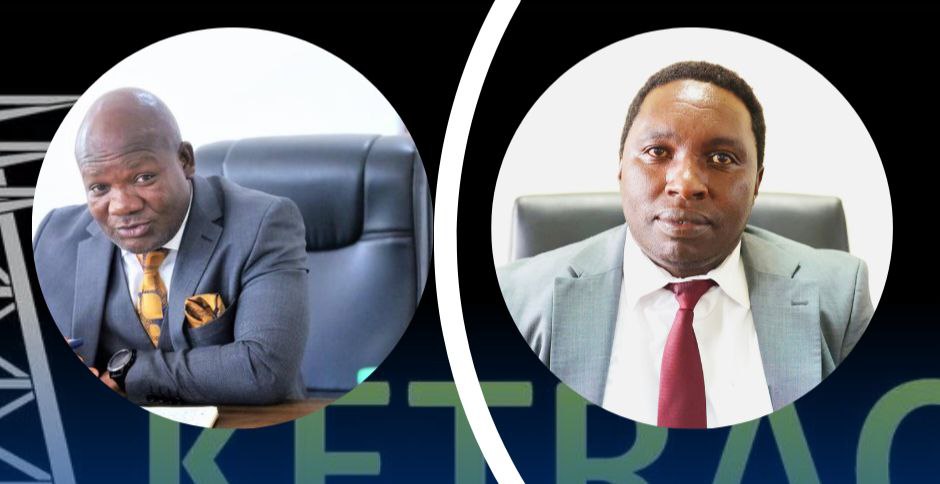
Together with Energy CS Opiyo Wandayi and Trade CS Lee Kinyanjui, Maangi sits at the heart of a procurement disaster that has left Kenyans staring down a Ksh3.2 billion ($25 million) bill, a stranded oil tanker in international waters, and fuel prices that have smashed past the Ksh200 mark.
The Senate is now investigating. The DCI is circling. And millions of ordinary Kenyans, who had nothing to do with this mess, are the ones footing the bill.

How Angeline Maangi and Her Allies Turned an Emergency Fuel Deal into a Ksh 3.2 Billion Scandal
Angeline Maangi’s Oryx Energies secured a Ksh3.2 billion emergency fuel deal with Kenya’s government in March 2026, bypassing standard G2G procurement rules. Authorities now allege the 60,000-metric-tonne consignment was substandard and overpriced.
The government cancelled the deal on March 31, leaving a stranded tanker and a furious shipping company. The Senate, DCI, and EACC are all investigating—while Kenyans pay the price at the pump.
The “Emergency” That Wasn’t
In March 2026, the Ministry of Energy sent what it described as an urgent request to Oryx Energies Kenya Limited. The government claimed that Middle East supply disruptions had created a fuel emergency and that Oryx needed to move fast to secure alternative supply. Maangi, as Managing Director, responded quickly. She secured a 60,000-metric-tonne consignment of Premium Motor Spirit (PMS) and had shipments moving toward Kenya before the end of the month.
But investigators and senators are now asking a fundamental question: was there really an emergency, or did the Ministry manufacture one to bypass Kenya’s standard procurement rules?
Kenya’s normal fuel import system runs on a Government-to-Government (G2G) framework. Under G2G, Kenya negotiates directly with sovereign governments, locks in competitive prices, and subjects every deal to standard oversight. The Oryx deal bypassed all of that. No competitive bidding. No G2G framework. Just a phone call, a rushed contract, and a ship full of fuel heading for Mombasa.
Energy CS Opiyo Wandayi later told the public that the fuel Oryx supplied was priced significantly above G2G market rates—at a premium that would have added an estimated Ksh14 per litre at the pump. For a country where millions already struggle to afford basic transport and cooking fuel, that is not a rounding error. That is a calculated extraction of public wealth.
The Substandard Fuel That Should Never Have Entered Kenya
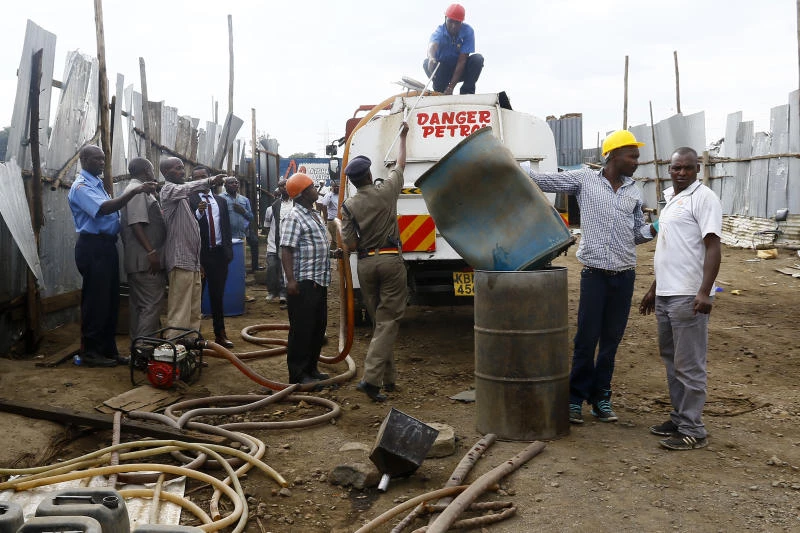
The pricing scandal is bad enough. But the substandard fuel allegation makes it worse. The DCI and the Ministry of Energy are now investigating whether the 60,000-metric-tonne consignment that Maangi’s company delivered meets Kenya’s quality standards at all.
Investigators allege the fuel does not comply with Kenya’s specifications and that the shipment was originally destined for another country before someone rerouted it to Kenya. In plain language, authorities suspect Kenya received another country’s rejected fuel at above-market prices.
CS Wandayi responded by ordering the fuel withdrawn from the market entirely and barring it from entering the Kenyan supply chain. That is an extraordinary step. Cabinet Secretaries do not issue market bans on fuel shipments unless the evidence of a problem is serious enough to demand it.
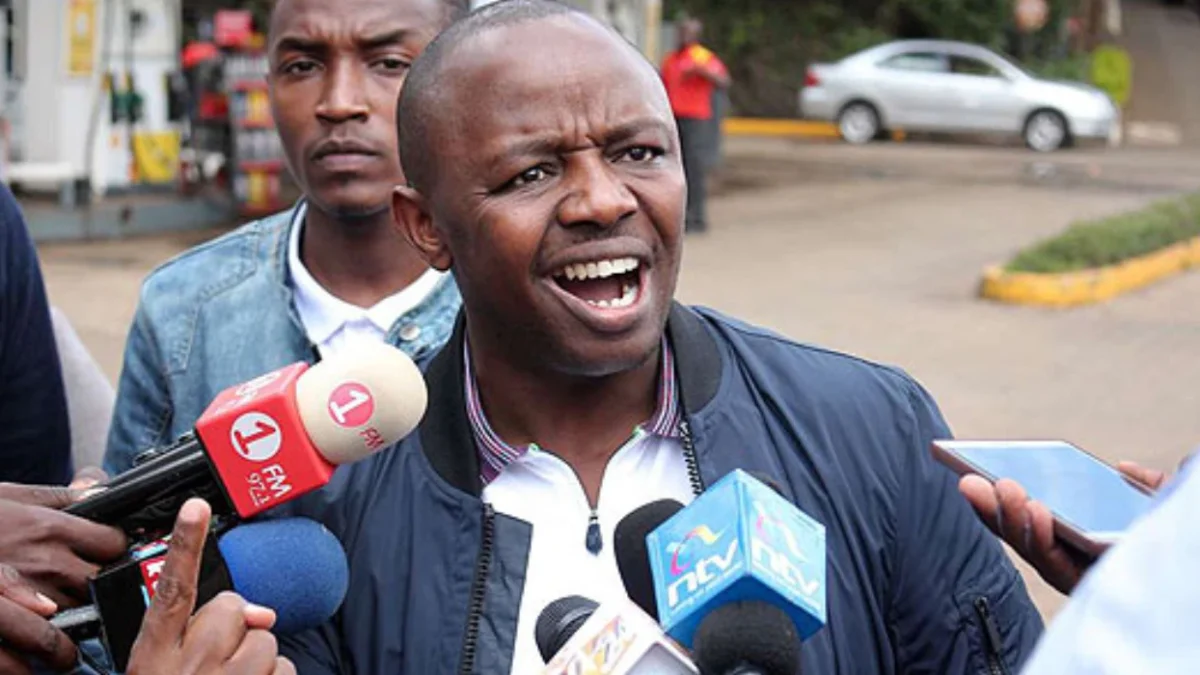
Maangi pushed back hard from the Senate podium. She told the Senate Standing Committee on Energy that Oryx acted in good faith at the direct request of the government. She rejected the cancellation as invalid and demanded compensation for the financial losses her company suffered. The Oryx boss flatly denied the substandard fuel allegations. But denials do not make a rerouted shipment compliant with Kenyan quality standards, and they do not explain why the fuel was priced so far above what Kenya’s G2G partners charge.
What Maangi has not answered — at least not to the Senate’s satisfaction — is why Oryx did not flag the procurement irregularities before committing to the deal. A Managing Director with over 15 years of experience in Kenya’s petroleum sector knows what G2G procurement looks like. She knows the difference between a legitimate emergency supply request and a process designed to circumvent oversight. That experience cuts both ways.
The Cartel Behind the Curtain
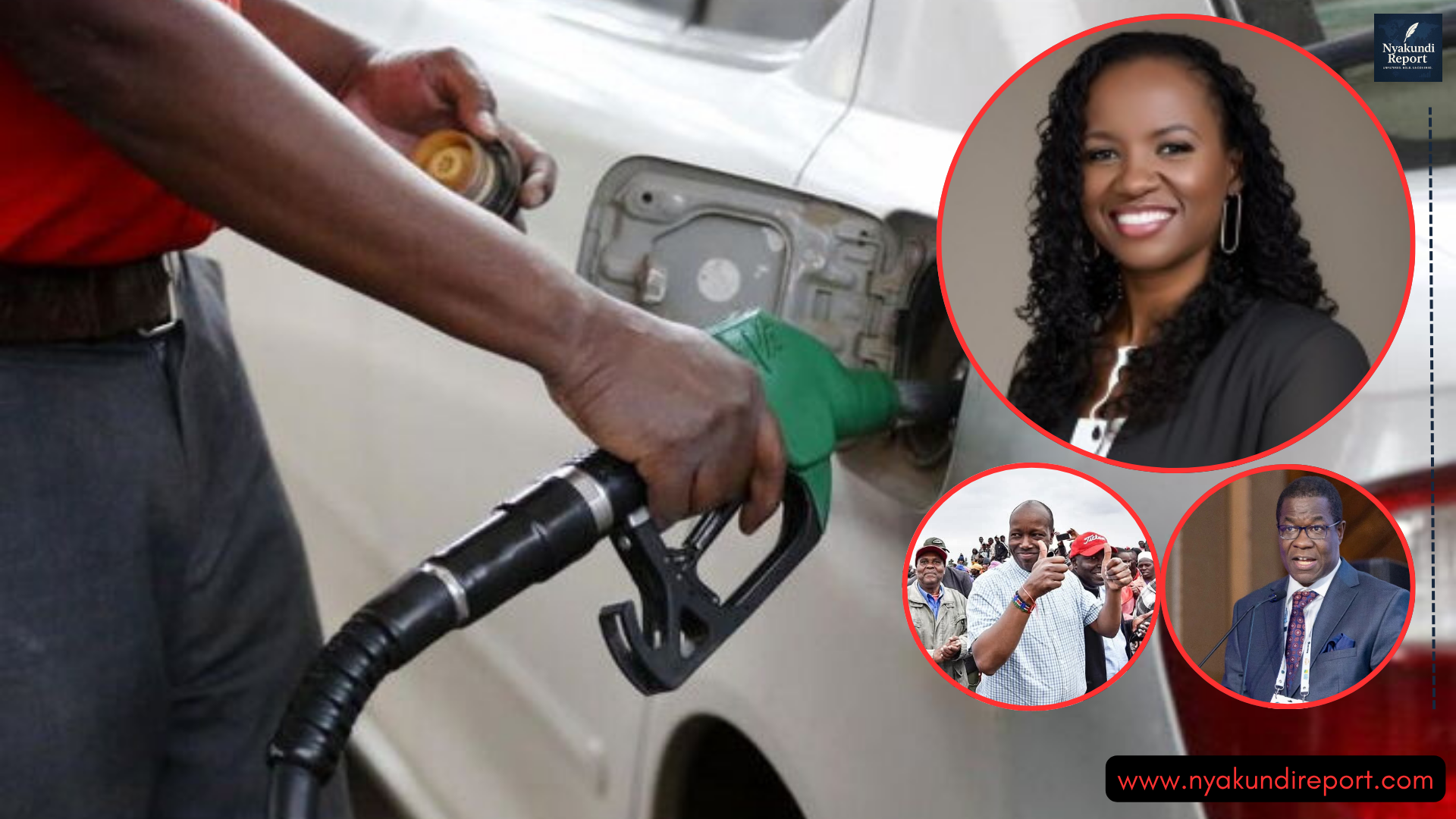
Maangi’s career reads like a map of Kenya’s tightly interlocked oil industry. She built her career at Mobil Oil Kenya, then Libya Oil Kenya, before moving into Oryx Energies where she climbed from Head of Operations and Marketing all the way to Managing Director by January 2023.
Along the way, she managed business development across Kenya, Uganda, and the Great Lakes region—a footprint that gave her deep relationships across the region’s fuel supply networks.
That network is exactly what makes her valuable to the people investigators believe put this deal together. Kenya’s oil sector is not a free market. It operates through a set of overlapping relationships between government officials, private sector executives, and the trading intermediaries who move fuel across borders. The people like Angeline Maangi who understand those relationships — and who know how to use them to route shipments, adjust prices, and sidestep procurement rules — hold enormous power.
CS Wandayi and CS Kinyanjui occupy the government side of that network. Wandayi controls energy policy. Kinyanjui controls trade. Together, they can open doors that no standard procurement process would unlock. Add Maangi on the private sector side, with her command of Oryx’s supply chain and her decades of relationships across the region’s oil industry, and the structure of the alleged cartel becomes clear.
The government issues an “emergency” request. A connected company steps in with fuel that bypasses G2G pricing. The fuel arrives above market price and below Kenya’s quality standards. Ordinary Kenyans pay more at the pump. And when the deal collapses under scrutiny, the taxpayer picks up the Ksh3.2 billion cancellation bill while the shipping company lawyers up and demands compensation.
A Stranded Ship, a Senate Probe, and a Bill Kenyans Never Agreed To Pay
The Senate has launched an investigation. The Ethics and Anti-Corruption Commission (EACC) has stepped aside, presumably to let the DCI work. The DCI is actively circling the deal. None of that guarantees accountability. Kenya has watched plenty of scandals reach the investigation stage without a single conviction. But the public record here is unusually detailed—a stranded ship, a Senate testimony, a Cabinet Secretary’s own public ban on the fuel, and a compensation demand that puts a precise price tag on the damage.
Maangi will continue to insist that Oryx acted in good faith. Wandayi will continue to distance himself from the procurement failure. Kinyanjui will watch from the margins. But someone made the decision to bring substandard fuel into Kenya at inflated prices through a channel designed to avoid scrutiny.
Eight million Kenyans paying over Ksh200 per litre at the pump want to know who—because they are the ones who have already paid, and they are the ones who will pay the Ksh3.2 billion bill if no one is held to account.
This article is based on publicly available Senate proceedings, government statements, and official records as of April 2026. The investigation is ongoing.