




Congo‑Brazzaville’s Constitutional Court has confirmed Denis Sassou Nguesso’s re‑election.
Therefore, sealing another five‑year term for the 82‑year‑old leader who has dominated the country’s politics for four decades.
The court declared that Sassou Nguesso “won an absolute majority” with 94.9 percent of votes in the 15 March presidential election, on a turnout of 65.9 percent.
The final figure slightly raises the 94.82 percent announced in the interior minister’s provisional results.
Six candidates ran against the incumbent, but their combined vote share barely dented his landslide.
Opposition challenge rejected
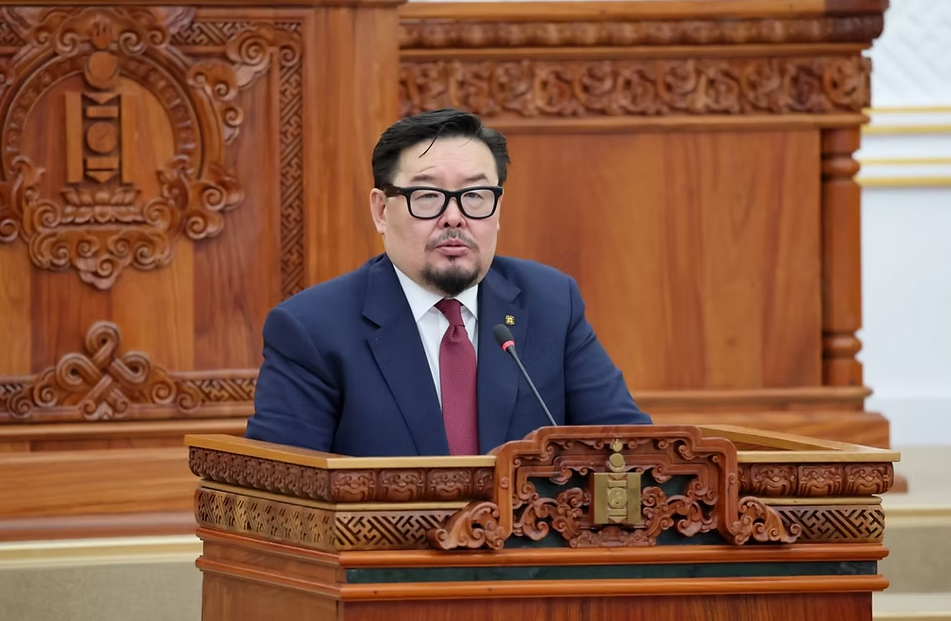
Opposition candidate Dave Mafoula, who came third with just over 1 percent of the vote, filed a petition asking the court to annul the election, citing alleged irregularities.
The court dismissed his appeal and upheld the result, echoing an African Union observer mission’s description of the poll as reflecting “political maturity.”
And broadly meeting the indicators of a free and credible election.
Opposition parties have, however, questioned almost every vote won by Sassou Nguesso in recent years and continue to accuse his government of repression and manipulating the process.
Four decades in power
Sassou Nguesso first led Congo‑Brazzaville under a one‑party system from 1979 to 1992 before losing the country’s first multi‑party election.
He returned to power by overthrowing the elected president in a 1997 civil war and has remained at the helm ever since, through successive elections that extended his rule.
Rights groups say that while he can claim to have brought a measure of stability, his government regularly persecutes opponents; two challengers from the 2016 election are serving 20‑year sentences for allegedly threatening internal security.
Under the current constitution, Sassou Nguesso is barred from running again when this fifth term ends in 2031, though critics note that term limits in the region have often been changed or circumvented.
For now, the court’s ruling confirms that one of Africa’s longest‑serving leaders will remain in charge of the oil‑rich central African state for another half‑decade.
ALSO READ: Véron Mosengo‑Omba Resigns as CAF General Secretary as Senegal–Morocco AFCON Fallout Deepens