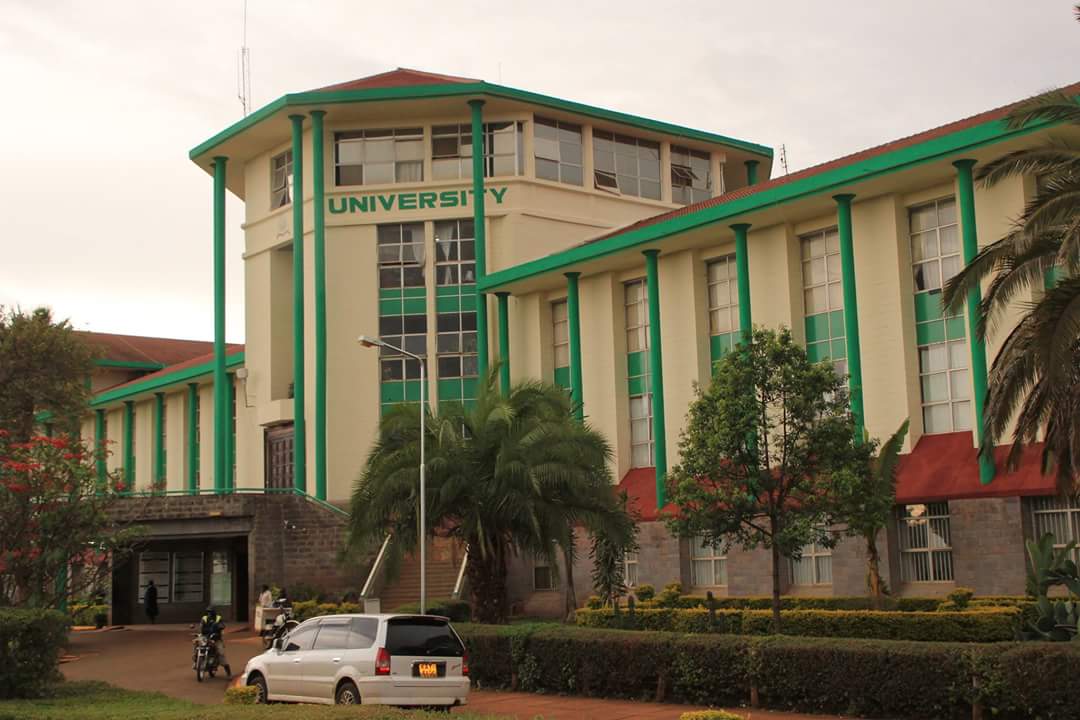










Moi University is on the edge of collapse. A garnishee order filed in February 2026 has already frozen the institution’s bank accounts, cutting off funds for salaries, water, electricity, and student services.
Now a Ksh1 billion court battle threatens to trigger a full Moi University auction of assets unless a last-minute deal holds. Staff have gone unpaid. Students cannot access basic services. Banks are circling. And this is happening despite the government pumping billions into the university in the past year alone.
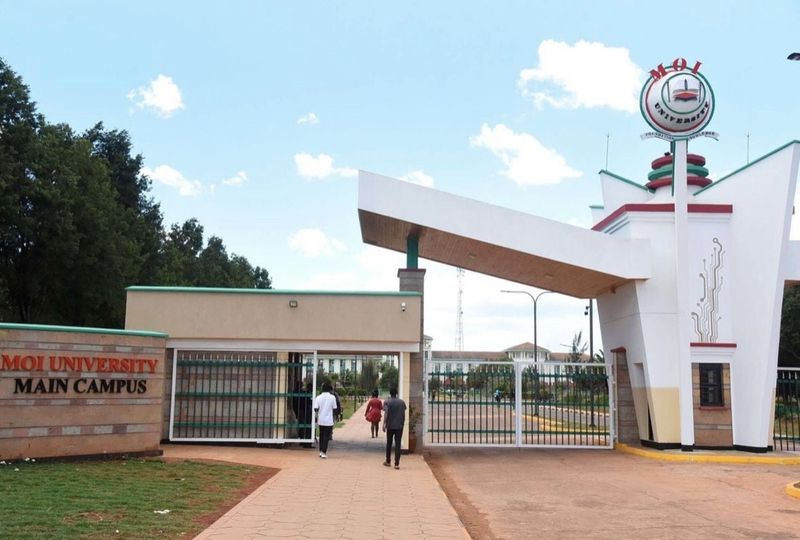
How a 27-Year-Old Court Case Is Pushing Moi University to the Brink of Auction
The crisis traces back to Eldoret High Court Civil Case No. 51 of 1999 — a legal dispute between Moi University and Vishva Builders Limited that has dragged on for nearly three decades. The case has now reached a breaking point, and the consequences are shaking the entire institution to its foundation.
On February 4, 2026, Vishva Builders filed a garnishee application against the university. Courts granted the order, and the effect was immediate. Moi University lost access to its own bank accounts. Operations ground to a halt. The university could no longer pay its bills, meet payroll, or keep basic services running for thousands of students and staff.
Documents obtained by the Nyakundi Report confirm the severity of the situation. A letter dated April 15, 2026, from the university states plainly that “the University’s operations have been crippled, and the possibility of having it closed down is high in the event the garnishee order nissi is made absolute.”
That is not a vague warning. That is an institution telling a court it could shut down.
The Garnishee Order Has Already Paralysed the University
A garnishee order works by legally compelling a bank to surrender funds from a debtor’s account to settle a court-recognized claim. In Moi University’s case, the order nissi — the preliminary stage of the order—has already had devastating consequences.
The university cannot access money to run day-to-day operations. Students can no longer get learning materials or sit for examinations. The institution has lost access to water, sanitation, electricity, and safe accommodation for students living on campus. These are not inconveniences. These are conditions that make it impossible for a university to function.
Staff members have not received their salaries. That reality raises the very real threat of strikes, protests, and a breakdown of order on campus. Banks are reportedly threatening to move in and recover unpaid loans linked to the university’s accounts. Statutory obligations to the Kenya Revenue Authority, the National Social Security Fund, and the Social Health Insurance Fund also remain unmet.
The university’s own letter does not sugarcoat the scale of the damage. It warns that students, staff, donors, the government, and the broader public face serious harm if the crisis escalates.
A Ksh50 Million Down Payment and a 60-Day Window to Avoid Auction
Facing a court ruling scheduled for April 16, 2026, Moi University moved fast. The institution wrote to Vishva Builders requesting a 60-day postponement of the ruling to allow structured negotiations. The two parties have now proposed a consent agreement to present to the High Court.
The proposed deal asks the court to defer the April 16 ruling, lift the garnishee order, and allow the university to make an immediate down payment of Ksh50 million from its frozen accounts as a show of good faith toward settling the Ksh1 billion debt. If the court approves the agreement, the matter would return on June 16, 2026, either to confirm a full settlement or to receive further directions.
That two-month window is narrow. Moi University must raise significant funds, prove it can negotiate in good faith, and satisfy the court—all while its accounts remain under legal threat. Any misstep could accelerate the very Moi University auction scenario the institution is desperately trying to avoid.
Billions Pumped In, Yet the Crisis Keeps Returning
What makes this situation especially damning is the government’s recent intervention history. In January 2025, the National Treasury transferred Ksh500 million in emergency funds to Moi University specifically to ease its cash crunch and cover salary payments.
That came on top of a Ksh1.8 billion allocation in the 2024/2025 supplementary budget. Before that, the university received another Ksh1.5 billion to clear staff salary arrears and settle pending obligations.
That adds up to over Ksh3.8 billion injected into one institution within a single financial year. Yet Moi University has arrived at April 2026 with frozen accounts, unpaid staff, and a Ksh1 billion court debt still unresolved.
The question that demands an answer is straightforward. Where did the money go?
Taxpayers deserve a full accounting. Students who cannot access clean water or sit for their exams deserve answers. Staff who have worked without pay deserve more than another emergency bailout that buys a few months before the next crisis hits.
The Moi University auction threat may yet be averted if the consent agreement holds and negotiations succeed. But unless someone takes responsibility for the financial mismanagement that keeps returning this institution to the edge of collapse, the next crisis is already in the making.