Story
·
Politics
·
Updated May 29, 2025
Wetang'ula Asserts Authority Over IEBC Vetting Process
National Assembly Speaker Moses Wetang’ula has issued a firm warning to the Judiciary over what he termed as interference in Parliament’s constitutional mandate to vet the new Independent Electoral and Boundaries Commission (IEBC) nominees. His strong remarks came on Thursday, May 29, following a High Court decision t

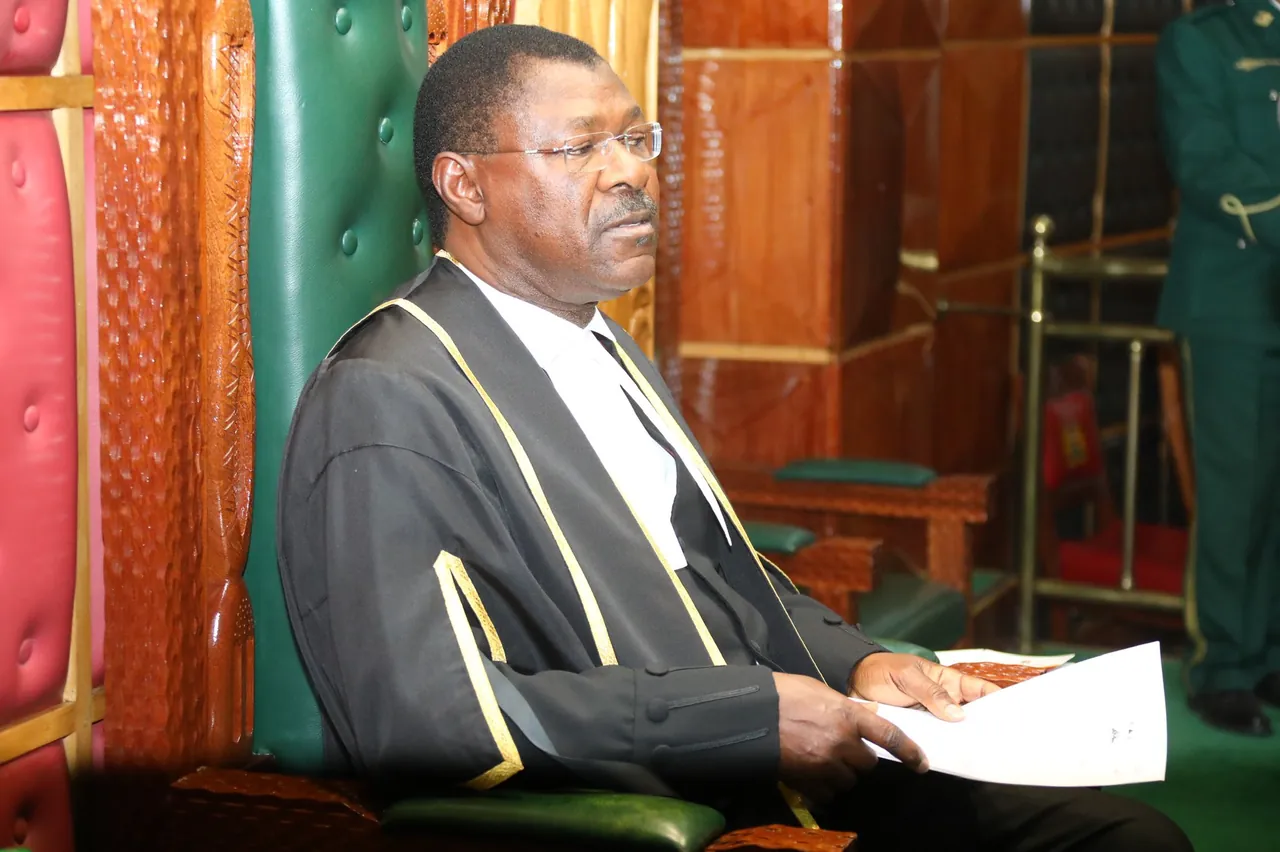
National Assembly Speaker Moses Wetang’ula has issued a firm warning to the Judiciary over what he termed as interference in Parliament’s constitutional mandate to vet the new Independent Electoral and Boundaries Commission (IEBC) nominees.
His strong remarks came on Thursday, May 29, following a High Court decision to lift a temporary suspension on the vetting process.
Speaking from the floor of the House, Wetang’ula made it clear that the National Assembly would not bow to external pressure. His message was unambiguous—Parliament will carry out its duties, and no court will dictate otherwise.
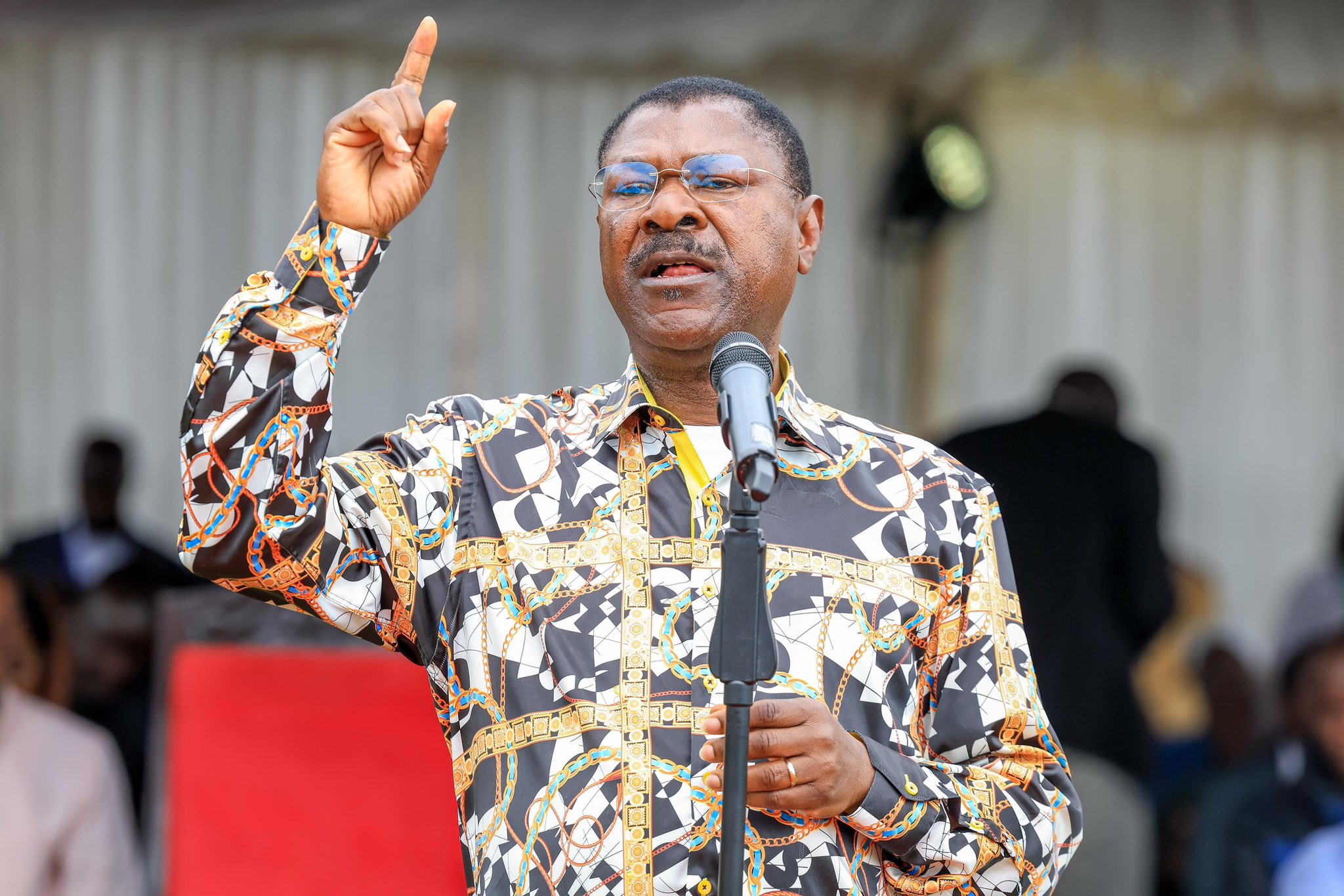 The Wetang'ula IEBC Vetting standoff may be just the beginning of a wider war over institutional boundaries, but for now, Parliament is charging ahead. [Photo: Courtesy]
 Erastus Edung Ethekon, nominee for IEBC Chairperson, awaits vetting as Parliament pushes forward amid rising tension with the Judiciary. [Photo: Courtesy]
The Wetang'ula IEBC Vetting standoff may be just the beginning of a wider war over institutional boundaries, but for now, Parliament is charging ahead. [Photo: Courtesy]
Wetang'ula IEBC Vetting Clash Puts Judiciary on the Spot
Wetang’ula’s stance on the IEBC vetting process was not just a political gesture—it was a direct challenge to what he views as judicial overreach. Moments after the High Court lifted a suspension on the vetting process triggered by a petition from two civilians, Wetang’ula wasted no time. He immediately directed the Justice and Legal Affairs Committee (JLAC) to continue with the IEBC vetting without delay. According to him, Parliament’s independence is grounded in the Constitution, and the House should not be intimidated by court orders. “I direct the committee to proceed without haste and vet the nominees and chairman for IEBC and bring the report to this house,” Wetang’ula told lawmakers, reinforcing Parliament’s autonomy. Wetang'ula emphasized that once a matter lands before Parliament—whether in committee or plenary—it becomes solely the legislature’s business. No other arm of government, not even the Judiciary, should interfere with it mid-process. Wetang’ula noted that grievances should be taken to court only after Parliament completes its task, not before. To avoid prolonged legal gridlock, the Speaker revealed he had formally raised the matter with Chief Justice Martha Koome, seeking to prevent similar confrontations in the future. He hinted at a “precedent-setting” ruling that would clearly define the limits of court interventions in parliamentary affairs.Junet Mohammed Echoes Wetang’ula's Concerns
Minority Leader Junet Mohammed, speaking during the same session, criticized the Judiciary’s interference in Parliament’s work. He accused the courts of stalling the IEBC process, which in his view, is a deliberate move to weaken Parliament’s authority. “If you want to inhibit Parliament before they do their work, Parliament will not be able to operate in this country. Going forward, this house will not stop doing its work,” Junet warned. Wetang’ula supported Junet’s view, stressing that the Judiciary must not paralyze Parliament with preemptive orders. He said that such moves jeopardize the entire system of governance by upsetting the balance of powers between arms of government. Erastus Edung Ethekon, nominee for IEBC Chairperson, awaits vetting as Parliament pushes forward amid rising tension with the Judiciary. [Photo: Courtesy]