













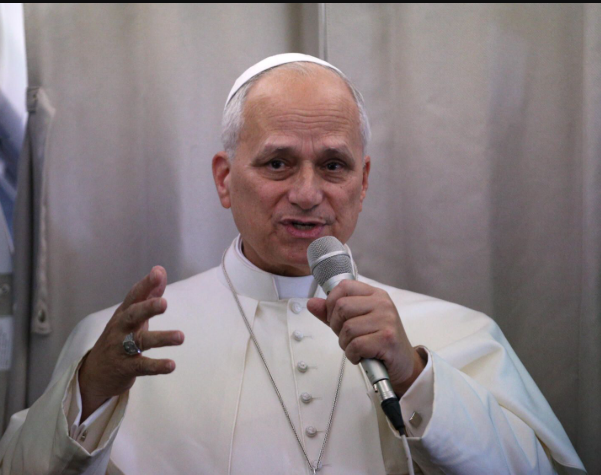
Researchers have used mobile phone tracking data to prove, for the first time with certainty, that Colombian mercenaries backed RSF forces during the brutal capture of el-Fasher—one of Sudan’s most devastating battles.
The trail of digital evidence leads directly from Colombia to a UAE military base and then into the heart of Sudan’s war zones.
The findings demolish years of Emirati denials and place foreign fighters at the scene of what international investigators have described as bearing the hallmarks of genocide.
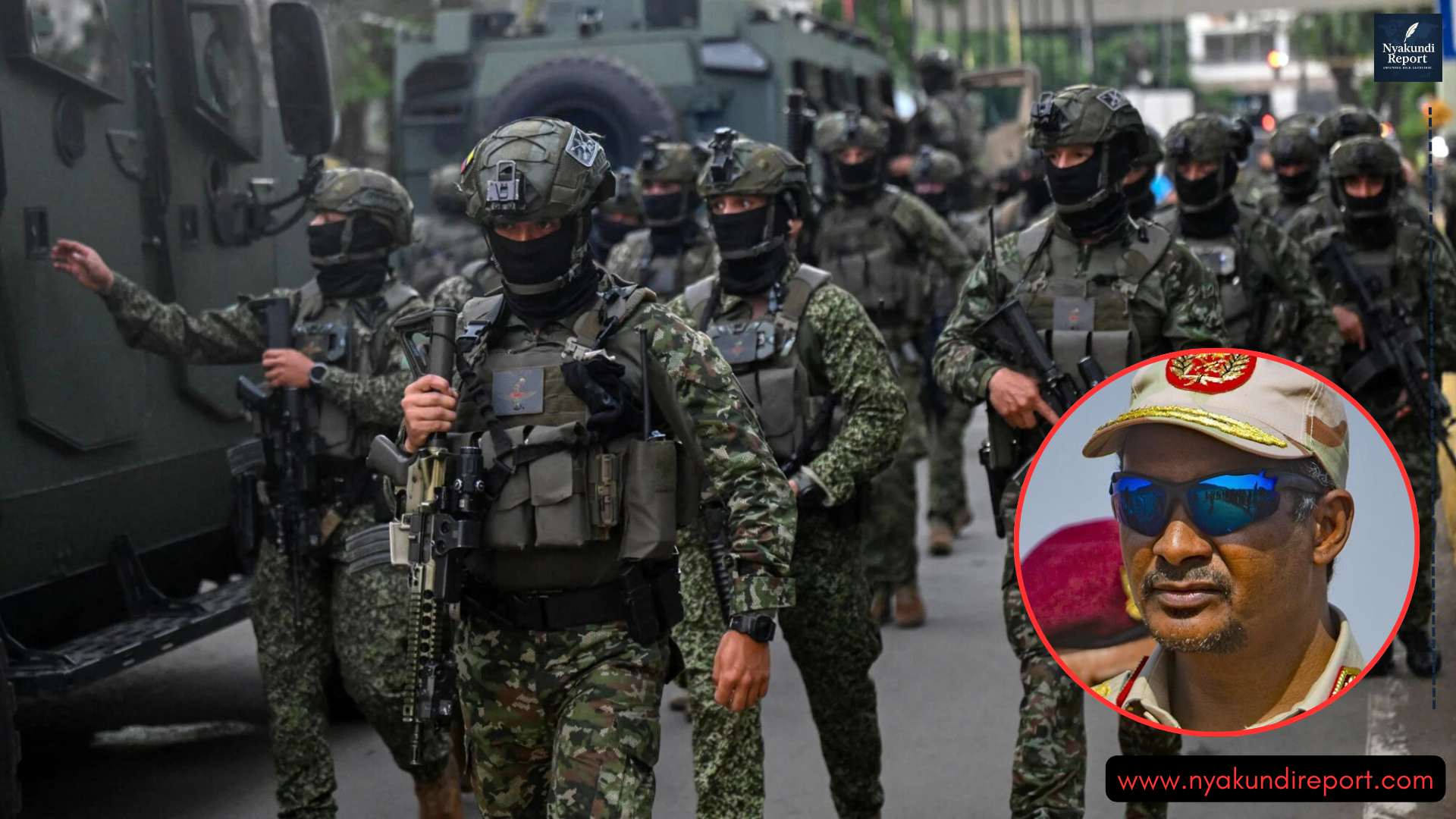
How Phone Data Exposed the UAE-Colombian Mercenary Pipeline Fuelling Sudan’s War
The Conflict Insights Group (CIG), a security analysis organization, spent months tracking more than 50 mobile phones belonging to Colombian mercenaries operating inside Sudan. Their investigation ran from April 2025 through January this year and used commercially available advertising technology—the same kind companies use to serve personalized ads—to follow the fighters’ movements across RSF-held territories.
The CIG combined that phone data with flight-tracking records, satellite imagery, social media videos, and academic sources to build a detailed picture of the mercenary pipeline.
What they found was damning.
The data showed a clear and documented route: fighters travelled from Colombia to Abu Dhabi’s Zayed International Airport, moved to a UAE military training facility in Ghayathi, and then deployed into Sudan’s most active conflict zones.
CIG director Justin Lynch did not mince words. “We are making public what governments have long known — that there is a direct link between Abu Dhabi and the RSF,” he said.
This, he stressed, is “the first research where we can prove UAE involvement with certainty.”
Mercenaries Named Their Wi-Fi Networks After Their Own Unit
The digital trail the Colombian fighters left behind was remarkably careless. Investigators tracked one phone from Colombia to the UAE military facility in Ghayathi, where they also found four other devices configured to Spanish, the language spoken in Colombia.
Two of those phones then travelled to Sudan’s South Darfur state. One device made its way to Nyala, the de facto RSF capital, where it connected to Wi-Fi networks named “ANTIAEREO”—meaning “anti-aircraft” in Spanish—and “AirDefense.”
In another case, a phone tracked from Colombia to Nyala then moved to el-Fasher in North Darfur state during the exact period last October when RSF forces seized the city after an 18-month siege. While inside el-Fasher, that device connected to a Wi-Fi network named “”ATACADOR”—meaning “attacker” in Spanish.
The fighters also named one of their networks “LOBOS DEL DISIERTO,” a misspelling of the Spanish phrase for “desert “wolves”—the name of the brigade they operated under.
These were not accidental breadcrumbs. They were the digital fingerprints of a professional military operation that believed it was invisible.
The Desert Wolves brigade operated as drone pilots, artillerymen, and instructors for the RSF. Retired Colombian army Colonel Alvaro Quijano led the unit from the UAE. Both the United States and United Kingdom governments have sanctioned him for recruiting Colombian nationals to fight in Sudan.
Colombian President Gustavo Petro previously described the mercenaries as “spectres of death” and called their recruitment a form of human trafficking.
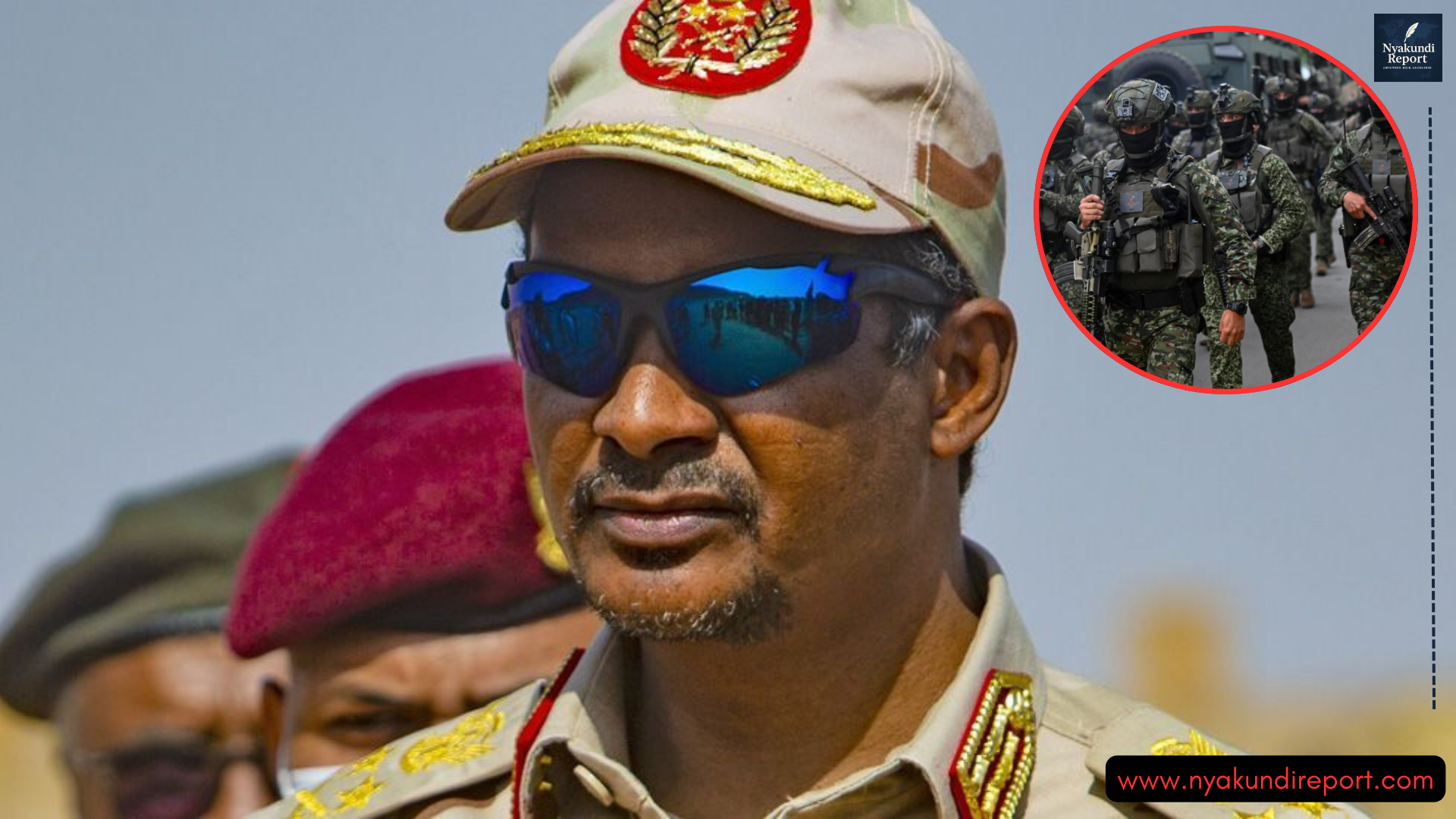
The Fall of El-Fasher and the Cost of Foreign Interference
El-Fasher did not fall quietly. Its capture stands as one of the most blood-soaked chapters in a conflict that has already produced the world’s worst humanitarian crisis, with tens of thousands killed and millions driven from their homes.
The International Criminal Court’s prosecutor assessed the events surrounding el-Fasher’s fall as war crimes and crimes against humanity. UN investigators went further, saying what happened there bore the “hallmarks of genocide.”
The CIG’s report draws a direct line between the mercenaries and those outcomes. “The scale of atrocities and siege in el-Fasher wouldn’t have happened without the drone operations the mercenaries provided,” Lynch said, adding that evidence also shows the fighters helped sustain the broader RSF siege of the city.
“CIG assesses that the UAE-Colombian mercenary network bears shared responsibility for these outcomes,” the report states.
The Desert Wolves received payment from a UAE-based company with documented ties to senior Emirati government officials, according to Colombian investigative outlet La Silla Vacía and documents the CIG obtained independently.
The CIG also found devices with Spanish-language settings at a port in Somalia with UAE links and at a town in south-eastern Libya believed to be a weapons transit hub for the RSF—both allegedly facilitated by the Emirates.
The UAE has repeatedly denied backing the RSF, dismissing allegations as “false and unfounded” and condemning atrocities in el-Fasher. The BBC sought a response from the Emirati government on these latest findings. The US Treasury Department has sanctioned Colombian nationals twice for their role in Sudan but has stopped short of formally naming the UAE as the organizing force behind the operation.