





























Ghana’s police force stopped a suspected child trafficker at the Accra International Airport on Tuesday, April 21, rescuing a nine-year-old girl moments before she boarded a plane to Kenya.
Officers arrested a 36-year-old woman following intelligence-led operations that began after the child’s father reported her missing two days earlier.
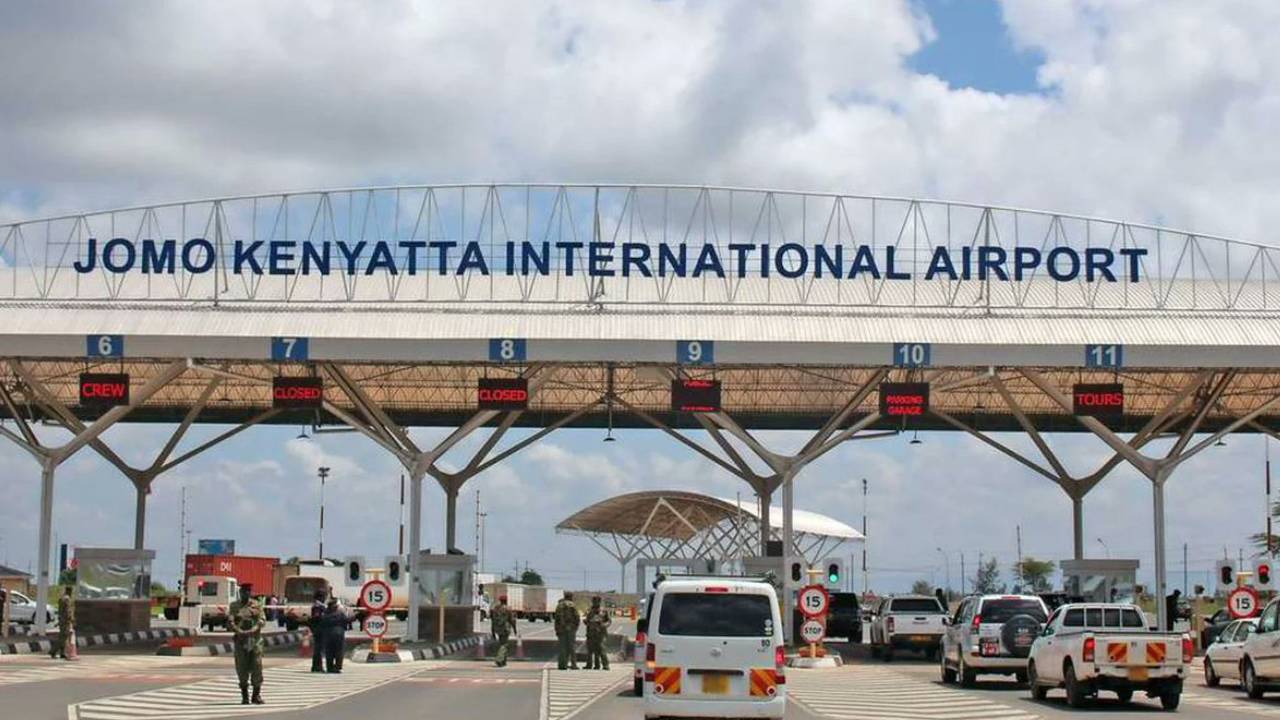
The dramatic rescue has thrown a spotlight on Kenya’s growing role as a destination and transit hub for child trafficking to Kenya and beyond, raising urgent questions about a wider regional syndicate.
How Ghana Police Dismantled a Cross-Border Child Trafficking Plot
The case began on Sunday, April 19, when the nine-year-old’s father walked into a police station and reported his daughter missing. She had left home and never returned.
That report triggered an immediate investigation. Officers from the Odumase-Krobo district moved fast, gathering intelligence and tracking the child’s movements across the country.
Within 48 hours, their leads pointed to one location: the Accra International Airport.
Working alongside Bureau of National Investigations (BNI) personnel stationed at the airport, officers moved in and intercepted the suspect before she could board the flight with the child.
Police arrested the 36-year-old woman and pulled the nine-year-old girl to safety. The child has since been reunited with her father.
“Preliminary investigations revealed that the suspect was trying to send the victim to Kenya,” the Ghana Police Service said in a statement released shortly after the arrest.
The speed of the operation — from a missing person report on Sunday to an airport arrest on Tuesday — shows what targeted intelligence can achieve when agencies collaborate.
Kenya’s Deepening Crisis as a Trafficking Hub
The Ghana case did not happen in a vacuum. It landed against the backdrop of a worsening human trafficking crisis in Kenya, a country that now sits uncomfortably at the intersection of three trafficking roles: destination, transit, and origin.
Security experts and law enforcement agencies across East Africa have flagged Kenya as a key node in regional trafficking networks. Traffickers exploit the country’s busy airports, porous borders, and established migration corridors to move victims—including children—across the continent and into the Middle East and beyond.
Whether the nine-year-old Ghanaian girl was destined to remain in Kenya or whether traffickers planned to use the country as a stopover for a larger syndicate remains unclear. Investigators are still piecing together the full picture.
What is clear, however, is that this pattern of child trafficking to Kenya fits a much larger and more dangerous trend.
A Country Battling Trafficking From Every Direction
Kenya’s trafficking problem does not only come from outside its borders. The country is simultaneously losing its own citizens to exploitation networks abroad.
In one of the most disturbing recent incidents, officers raided a house in Ruai and rescued over 70 foreign nationals who were being held for transit to other countries. The group included 66 Ethiopians and 4 Eritreans. Police arrested a suspect linked to the operation.
The discovery confirmed what authorities have long suspected: Kenya functions as a holding ground for traffickers moving people across the region.
At the same time, Kenyan nationals have become targets abroad. Hundreds of Kenyans were reportedly recruited and sent to Russia, where they ended up directly involved in the Russia-Ukraine war. Dozens have died.
In Southeast Asia, hundreds of Kenyan nationals found themselves stranded in Cambodia after escaping labour exploitation camps. Many faced threats of re-trafficking and arrest by local authorities, leaving them with nowhere to turn.
The Middle East route has also claimed hundreds of Kenyan victims, with workers lured by false job promises and ending up in forced labour or domestic servitude.
The Ghana rescue proves that child trafficking to Kenya is not a theoretical threat. It is an active, organized, and cross-border operation—one that nearly claimed a nine-year-old girl’s future.
Ghana acted. Kenya must now ask hard questions about what happens to the children who do make it through.