Story
·
Guides
·
Published Jun 21, 2025
Njahi Farming In Kenya: A Guide to Profitable and Nutritious Crop Production
Njahi, also known as black beans or Dolichos lablab, is gaining popularity among farmers across Kenya. This drought-resistant crop is rich in protein, iron, potassium, folate, and magnesium. Njahi is mainly grown in Central, Eastern, and parts of Western Kenya, where farmers value it for its edible beans and leaves. Th

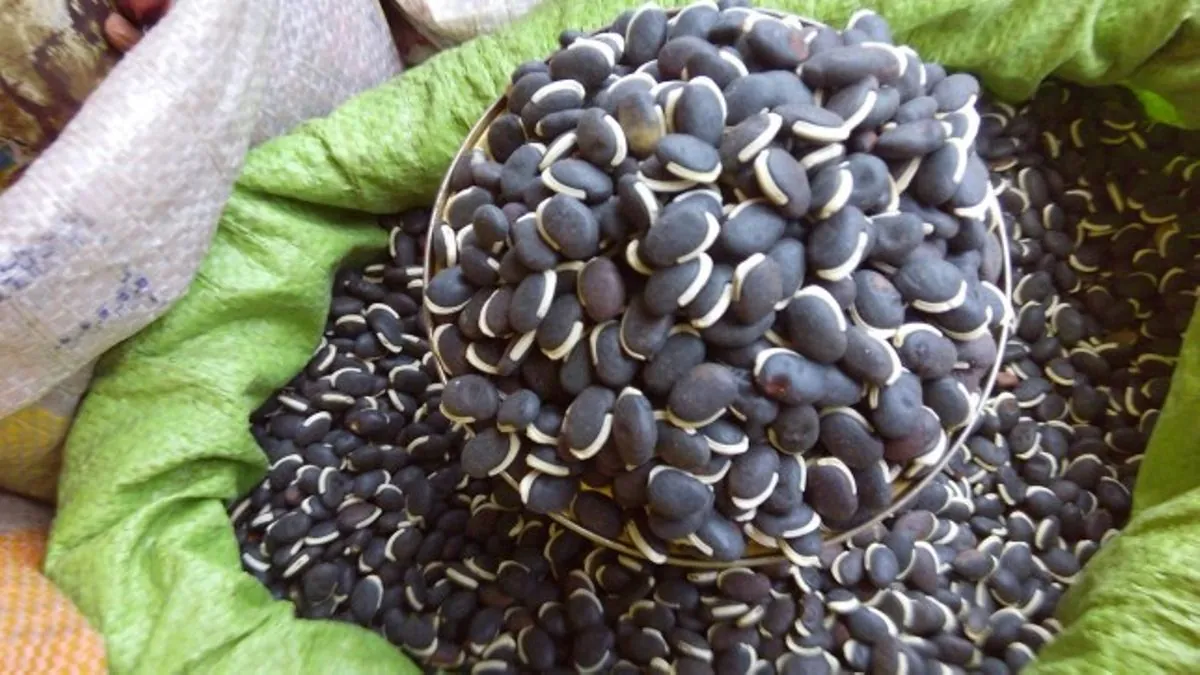
Njahi, also known as black beans or Dolichos lablab, is gaining popularity among farmers across Kenya. This drought-resistant crop is rich in protein, iron, potassium, folate, and magnesium.
Njahi is mainly grown in Central, Eastern, and parts of Western Kenya, where farmers value it for its edible beans and leaves.
The leaves are also used as livestock feed. Thanks to its nutritional value and market demand, Njahi offers a great opportunity for small-scale farmers looking for both food security and income.
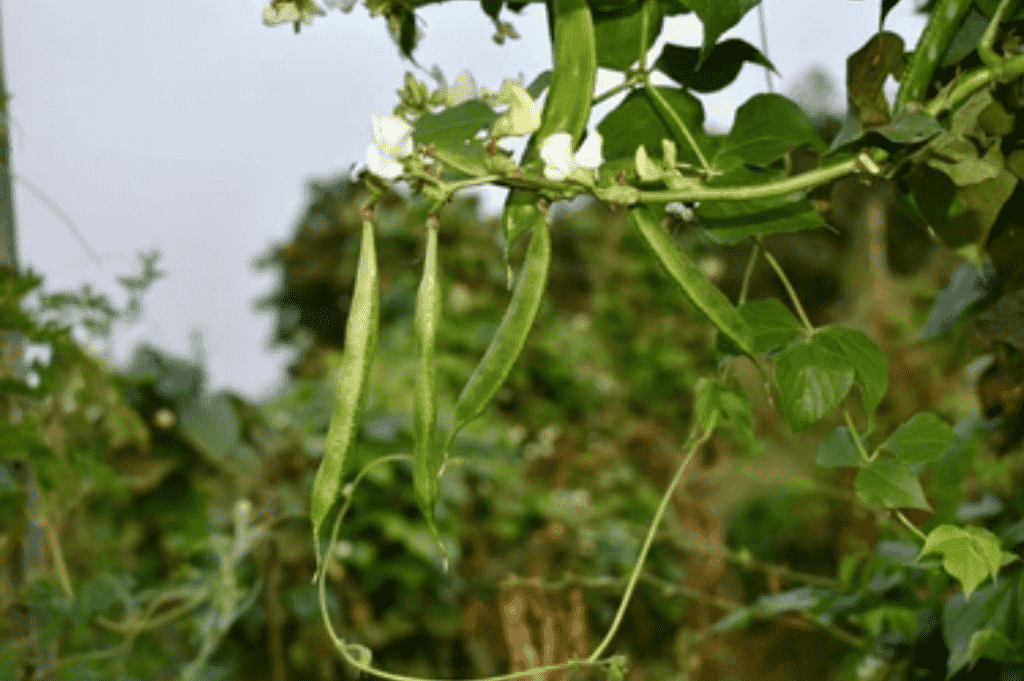 Njahi farming in Kenya is a golden opportunity for both new and experienced farmers. With proper seed selection, timely planting, and good field management, Njahi can provide steady income and improve family nutrition. [Photo: Courtesy]
Njahi farming in Kenya is a golden opportunity for both new and experienced farmers. With proper seed selection, timely planting, and good field management, Njahi can provide steady income and improve family nutrition. [Photo: Courtesy]
Njahi Farming In Kenya From Soil To Harvest
Njahi farming in Kenya is simple and rewarding when done right. From choosing the right variety to managing pests, farmers can enjoy a successful harvest by following basic farming steps.Njahi Varieties Grown in Kenya
Kenya has several Njahi varieties suited for different regions. The most common ones include:- KAT DL 1, KAT DL 2, and KAT DL 3 – These are improved varieties from KALRO (Kenya Agricultural and Livestock Research Organization). They mature faster and are high-yielding.
- Rongai – A traditional variety known for its resistance to drought.
- DL 1002 and DL 1009 – These are suitable for regions with medium rainfall and mature within a short period.
Njahi Planting and Management in Kenya
Njahi grows best in well-drained sandy-loamy soils with a pH of 5.5 to 6.5. It thrives in areas with 400 to 750 mm of rainfall and temperatures between 18°C and 28°C. The ideal altitude for growing Njahi ranges from 500 to 1800 metres above sea level. Most farmers plant Njahi directly in the field, though you can also start seedlings in a nursery and transplant them later. The best time to plant is at the start of the rainy season. Prepare the land by tilling and incorporating organic manure to enrich the soil. You may also apply about 30kg of DAP fertiliser per acre at planting. Spacing should be 30cm between plants and 45cm between rows to allow enough room for growth and air circulation. Keep your field weed-free, especially in the early stages, to reduce competition for water and nutrients. Use a hoe or hand-pulling to control weeds.Managing Pests and Diseases
Njahi, like other legumes, is vulnerable to various pests and diseases. The common ones include: Diseases- Stem rot – Causes plants to wilt and die.
- Anthracnose – Appears as dark spots on leaves and stems.
- Powdery mildew – Looks like a white powder on leaves.
- Bacterial leaf spot – Causes yellowing and spots on the leaves.
- Nematodes (M. incognita and Meloidogyne hapla) – These attack the roots, stunting growth.
- Practice crop rotation.
- Remove and burn infected plants.
- Use certified seeds.
- Apply appropriate insecticides or fungicides when needed.
- Keep the field clean to reduce pest breeding grounds.