Story
·
News
·
Published Feb 19 · 10:14
Financial Lapses at KNH, KEMRI, and PPB Expose Billions in Public Health Mismanagement
Billions of shillings tied to Kenya’s leading public health institutions are now under intense parliamentary scrutiny after auditors uncovered sweeping financial and administrative failures. The findings point to missing land title deeds worth billions, unrecorded vehicles in daily use, irregular procurement practices,

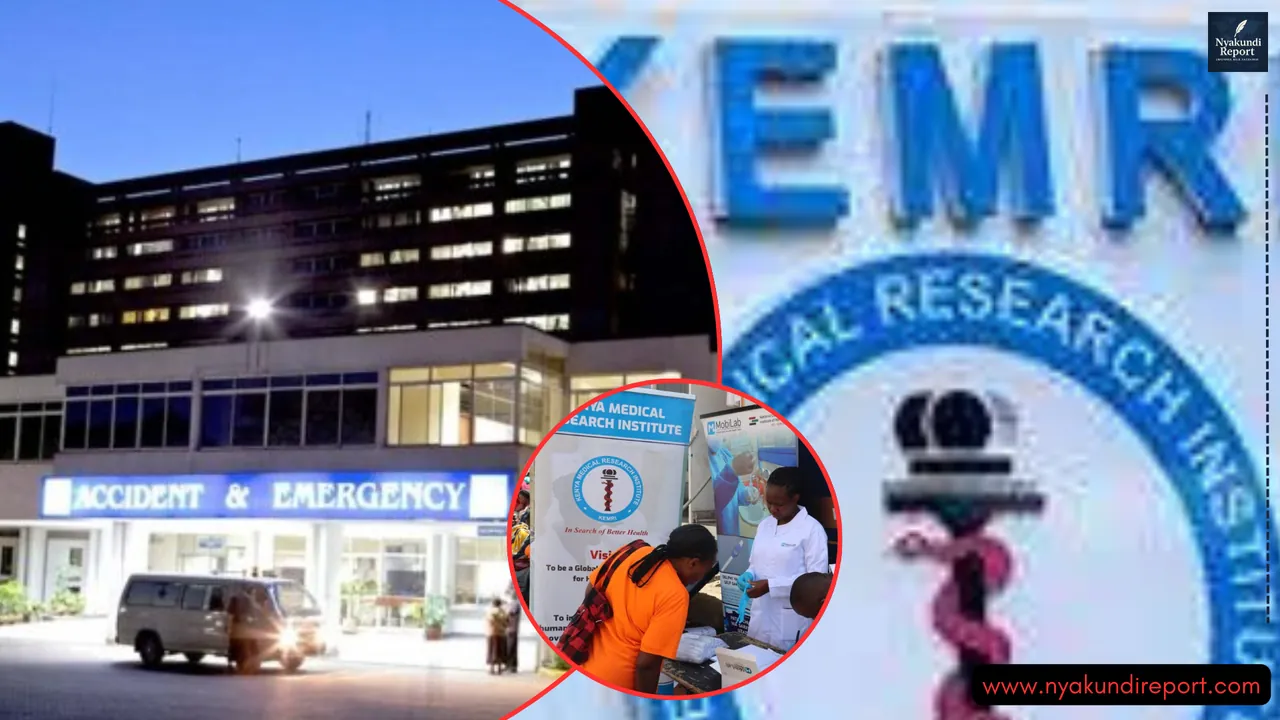
Billions of shillings tied to Kenya’s leading public health institutions are now under intense parliamentary scrutiny after auditors uncovered sweeping financial and administrative failures.
The findings point to missing land title deeds worth billions, unrecorded vehicles in daily use, irregular procurement practices, and unexplained revenue losses. Lawmakers reviewing recent audit reports have raised serious concerns about internal controls at Kenyatta National Hospital, the Kenya Medical Research Institute, and the Pharmacy and Poisons Board.
The scale and pattern of the irregularities suggest systemic weaknesses that could expose taxpayers to significant financial loss if corrective action is not taken urgently.
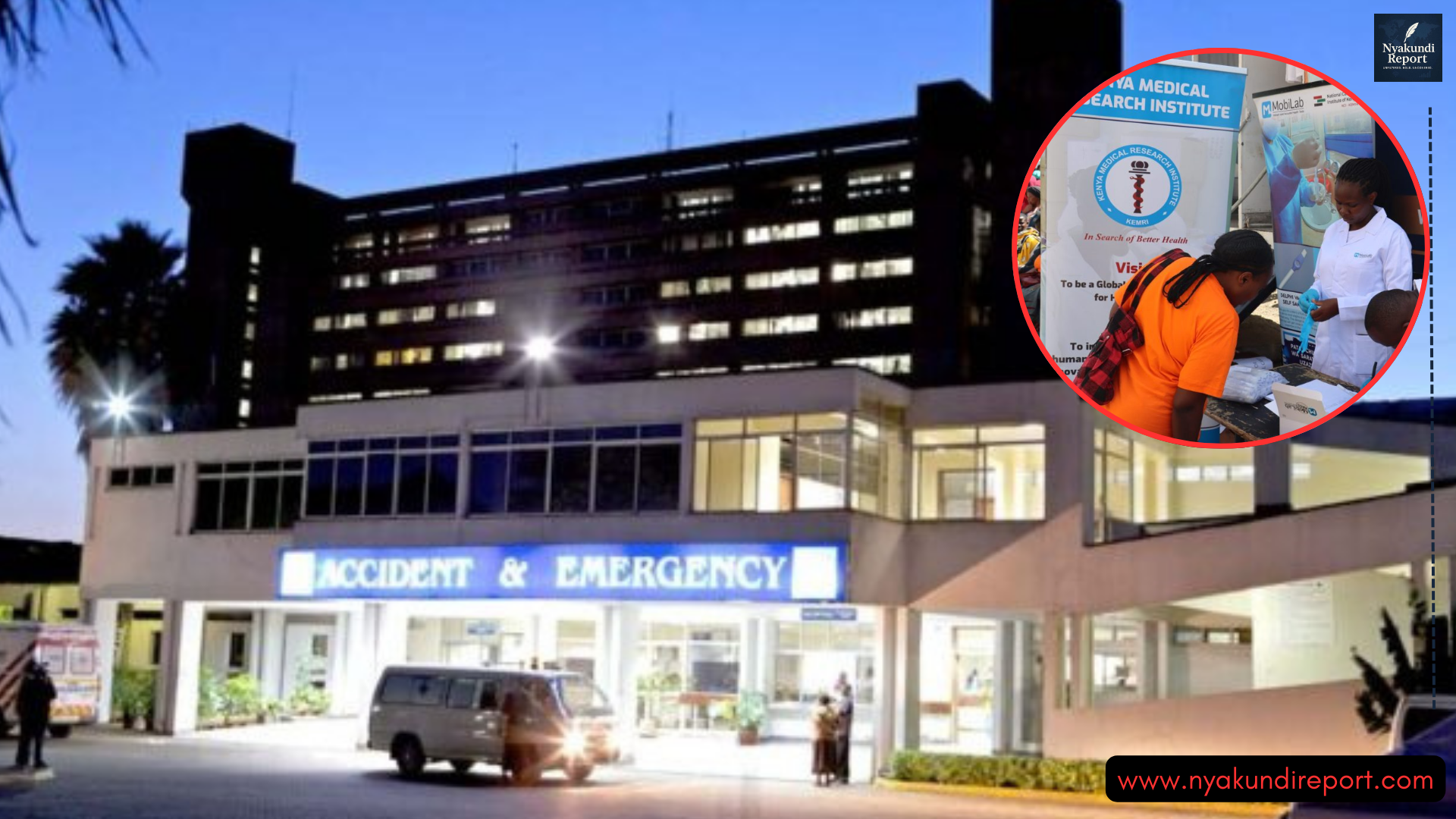 Parliament must now enforce accountability, recover lost assets, and seal control gaps to restore public trust in Kenya’s health institutions and protect billions in taxpayer funds from further misuse.
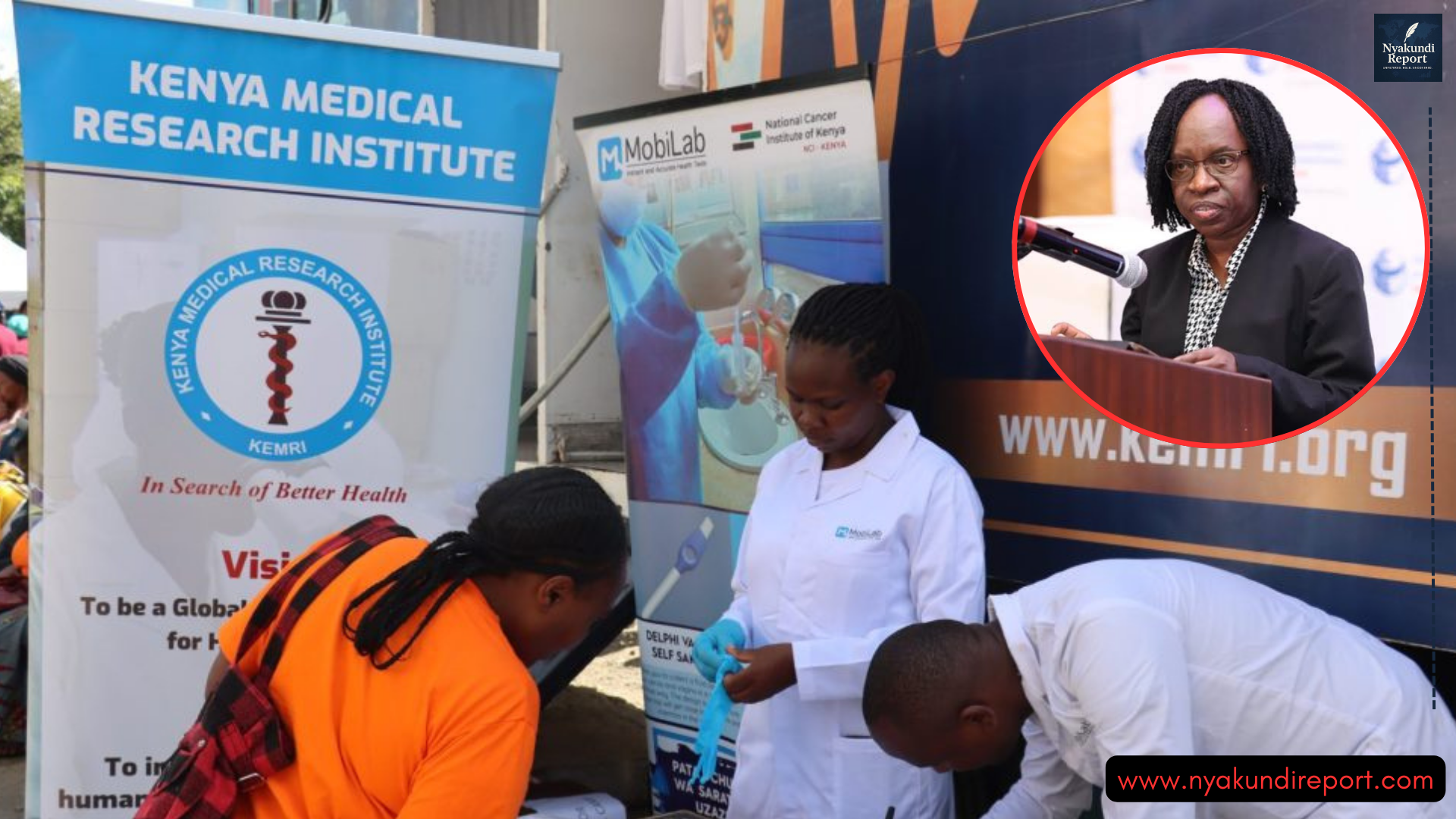 The Kenya Medical Research Institute must urgently strengthen asset controls, recover the missing title deed, regularize its mortgage fund, and restore compliance to safeguard public research funds and rebuild institutional credibility.
Parliament must now enforce accountability, recover lost assets, and seal control gaps to restore public trust in Kenya’s health institutions and protect billions in taxpayer funds from further misuse.
Financial Lapses at KNH, KEMRI, and PPB Reveal Systemic Control Failures
The National Assembly’s Public Investments Committee on Social Services, Administration, and Agriculture (PIC-SSAA), chaired by Navakholo MP Emmanuel Wangwe, uncovered the irregularities while reviewing Auditor-General reports for the 2022/2023 and 2023/2024 financial years. Committee members described the findings as evidence of deep-rooted weaknesses in financial management, asset tracking, and procurement oversight across key public health agencies. At the center of the probe is Kenyatta National Hospital (KNH), the country’s largest referral facility.Rental Income Losses and Procurement Red Flags at KNH
Auditors flagged a Sh36 million loss in rental income from staff housing units at KNH, even as the hospital’s board approved a 10 percent rent increase on residential properties. Some of these properties are reportedly earmarked for demolition, raising questions about the rationale behind increasing rent under such circumstances. The hospital’s occupancy rate stands at 60 percent, while rental income has already fallen 21 percent below projections. Lawmakers questioned the decision to raise rents when the institution has struggled to meet its revenue targets. They argued that increasing the financial burden on tenants does not address the underlying inefficiencies that have led to reduced occupancy and declining income. The committee also scrutinized procurement processes, particularly the use of restricted requests for quotations to acquire cleaning materials. Auditors noted that management bypassed open competitive tendering, which remains a cornerstone of public procurement transparency. Hospital officials described a post-award shift to framework contracts as an administrative error, but MPs challenged that explanation and demanded clearer accountability, especially given the heightened risks associated with procurement during the COVID-19 period. Committee Vice-Chairperson Caleb Amisi emphasized that audit queries are designed to strengthen accountability rather than serve as routine formalities. He stressed that public institutions must treat financial controls as fundamental obligations, not optional procedures.KEMRI Missing Title Deed and Asset Management Gaps
The committee’s findings at the Kenya Medical Research Institute (KEMRI) revealed even more troubling lapses involving high-value public assets. Lawmakers learned that a title deed for a 2.4-hectare parcel of land in Nairobi, valued at more than Sh4 billion, is missing. The committee heard that a private developer allegedly used the title as collateral to secure a bank loan without clear authorization from the institute. Although the loan has reportedly been repaid, the original title deed remains unaccounted for. Officials from the National Bank and the National Treasury offered conflicting explanations regarding custody of the document, deepening concerns about how such a valuable asset could fall outside proper institutional control. Further scrutiny exposed 66 motor vehicles currently in active use but not recorded in KEMRI’s asset register. Management attributed the omission to unresolved valuation issues involving donor-funded assets. However, MPs rejected this justification, arguing that proper asset documentation is a basic requirement of financial governance, regardless of funding source. The committee also questioned the establishment of a Sh143 million staff mortgage fund without approval from the Cabinet Secretary, contrary to provisions of the Public Finance Management Act. Lawmakers viewed the move as a clear breach of statutory requirements and a reflection of weak internal compliance mechanisms. Taken together, the missing title deed, unregistered vehicles, and unauthorized financial commitments illustrate significant control gaps within an institution that manages substantial research funding and plays a critical role in national health policy. The Kenya Medical Research Institute must urgently strengthen asset controls, recover the missing title deed, regularize its mortgage fund, and restore compliance to safeguard public research funds and rebuild institutional credibility.