Story
·
News
·
Published Apr 4 · 17:48
CS Wandayi Under Fire as Ksh4 Billion Fuel Scandal Deepens and Resignations Mount
Kenya's Ksh4 billion fuel scandal is spinning out of control. Three senior energy officials have resigned hours after their arrest, disciplinary proceedings are underway against two more, and now the heat is turning on Energy Cabinet Secretary Opiyo Wandayi. Lawmakers are demanding his immediate arrest or resignation,

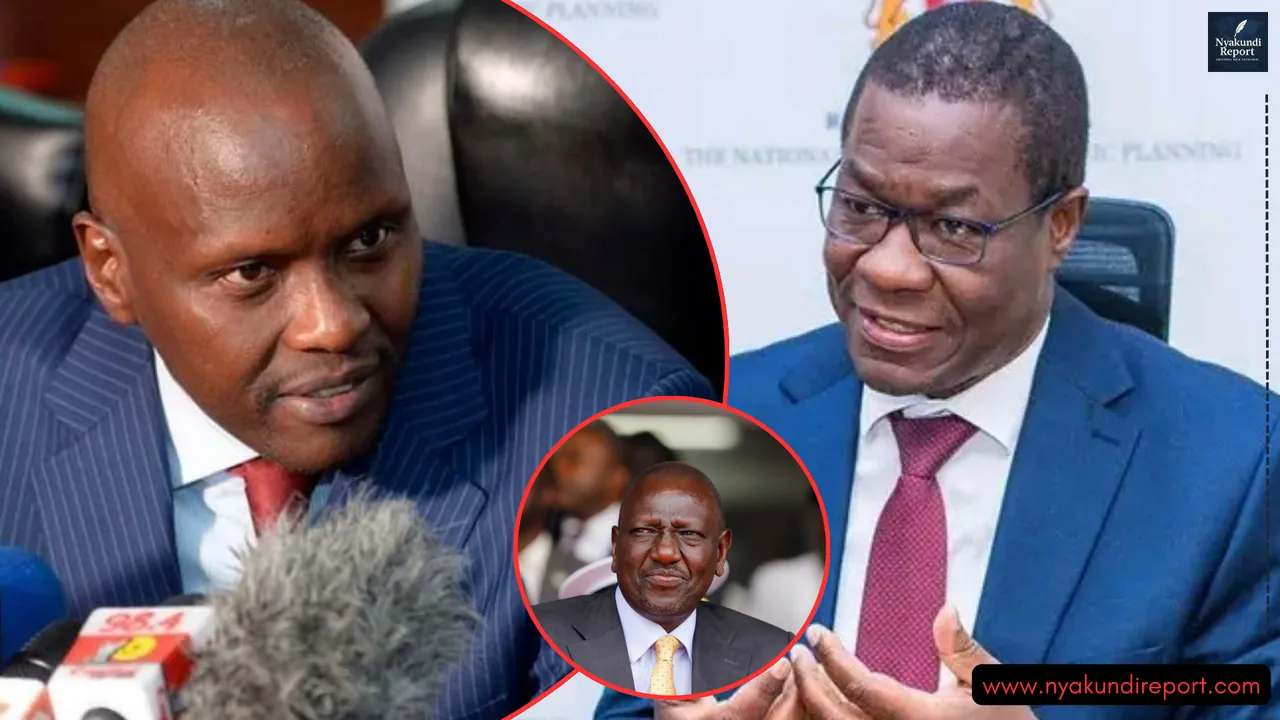
Kenya's Ksh4 billion fuel scandal is spinning out of control. Three senior energy officials have resigned hours after their arrest, disciplinary proceedings are underway against two more, and now the heat is turning on Energy Cabinet Secretary Opiyo Wandayi.
Lawmakers are demanding his immediate arrest or resignation, warning that if President William Ruto fails to act, Parliament will. Wandayi has gone silent, issuing no public statement even as the scandal consuming his ministry grows darker by the hour.
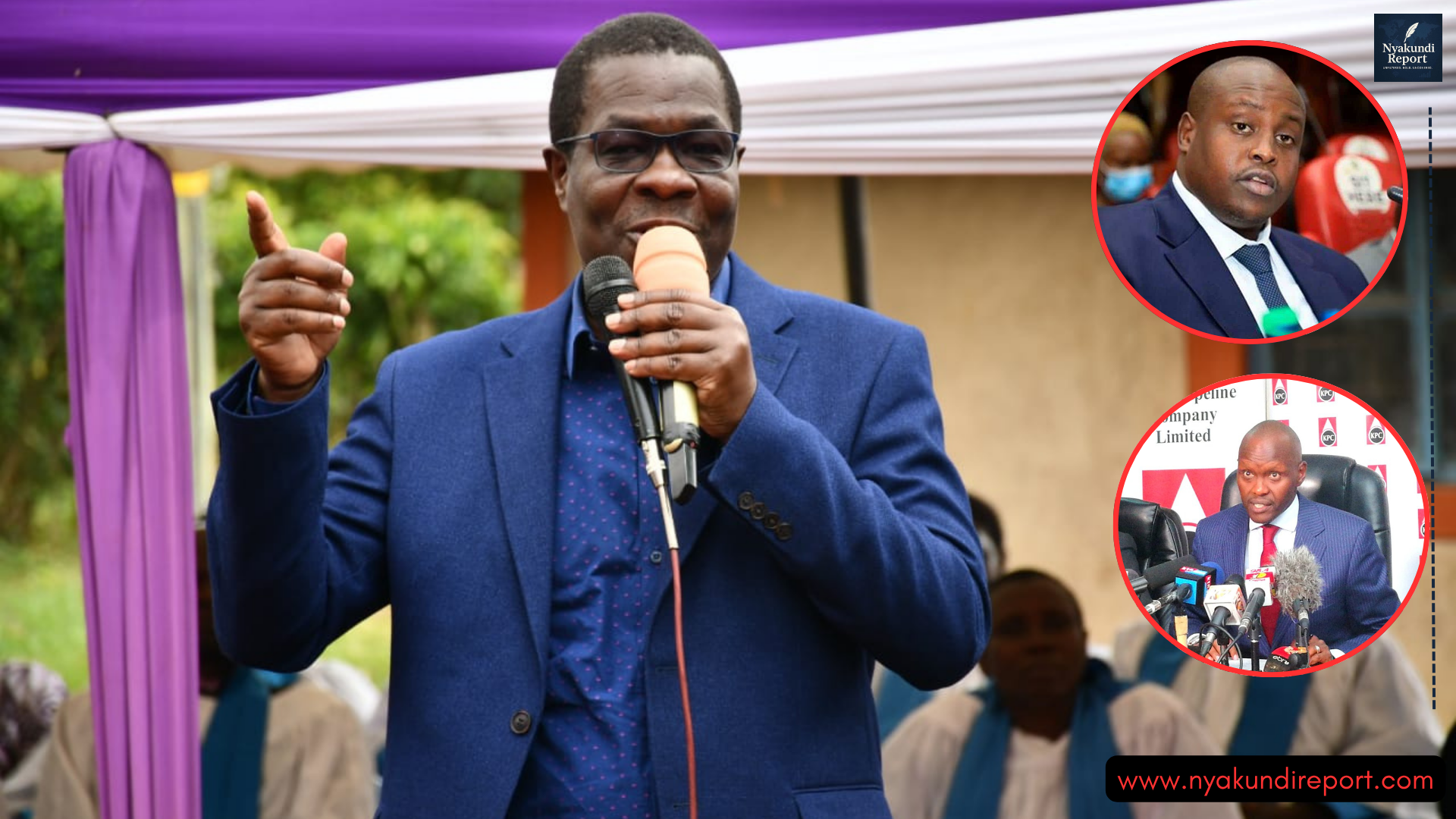 Kenya's Ksh4 billion fuel scandal deepens as MV Paloma's diverted cargo exposes fraud, substandard fuel, and a blatant breach of the G2G supply framework.
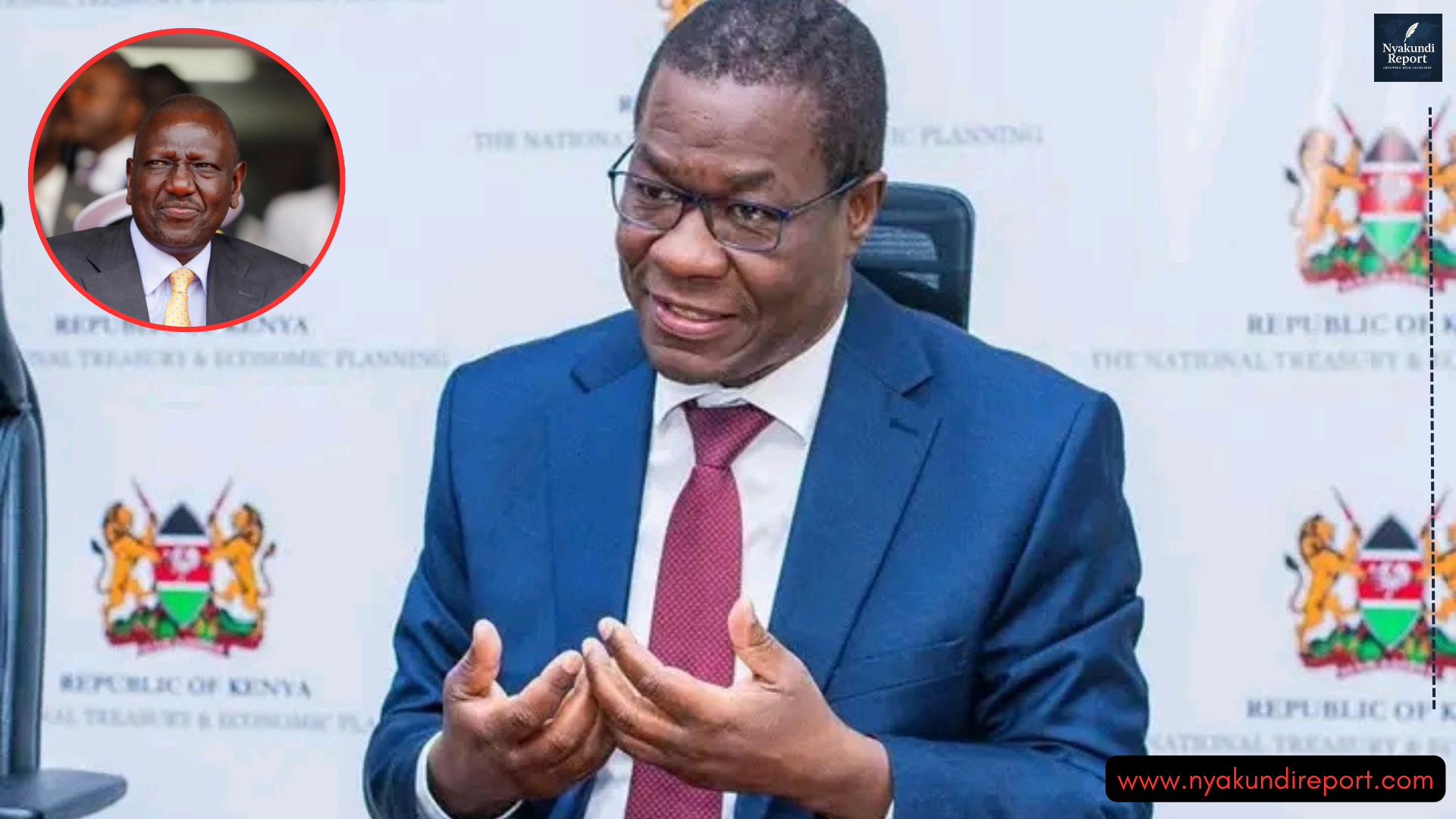 Wandayi leads the ministry where the fraud occurred. Whether he knew or not, the Ksh4 billion fuel scandal happened on his watch and demands accountability.
Kenya's Ksh4 billion fuel scandal deepens as MV Paloma's diverted cargo exposes fraud, substandard fuel, and a blatant breach of the G2G supply framework.
How the Ksh4 Billion Fuel Scandal Unravelled Kenya's Energy Sector from the Inside
The scandal broke on Thursday when the Directorate of Criminal Investigations (DCI) arrested four senior energy officials — Energy and Petroleum Regulatory Authority (EPRA) Director General Daniel Kiptoo Bargoria, Kenya Pipeline Company (KPC) Managing Director Joe Sang, Petroleum Principal Secretary Mohamed Liban, and KPC Deputy Director Joseph Wafula — over allegations of procuring and distributing substandard fuel into the Kenyan market. Investigators believe the officials manipulated data on in-country fuel stocks to create a false impression of an impending shortage. That manufactured crisis then triggered an emergency procurement of a fuel consignment that violated Kenya's government-to-government (G-to-G) oil supply agreement with Gulf nations. President Ruto's office was direct in its assessment. "This appears to have been done to exploit rising global prices and public anxiety, thereby creating a false impression of an impending supply shortfall," the President stated.MV Paloma's Diverted Cargo Blows Open a Ksh4 Billion Fraud at the Heart of Kenya's Fuel Supply Chain
The consignment at the center of the scandal arrived aboard vessel MV Paloma, allegedly diverted from Angola to the Port of Mombasa under murky circumstances. Preliminary findings suggest the shipment, reportedly originating from Saudi Aramco, was overpriced by over Ksh4 billion and failed to meet Kenya's fuel quality standards. Ruto's office did not mince words. "The shipment in question was procured in blatant breach of the G2G framework, at a price significantly above the contracted rates, in complete disregard of established emergency procurement procedures, and was of substandard quality," the statement read. Liban was released from custody on medical grounds, but Kiptoo, Sang, and Wafula remain detained. All three resigned from their positions following their arrest, with a letter signed by Head of Public Service Felix Koskei on April 4 confirming their exits. The government has since launched disciplinary proceedings against Wafula and KPC Supply and Logistics Manager Joel Mburu. KPC's board moved quickly, appointing Pius Mwendwa as acting Managing Director and reassuring the public that operations remain stable. Wandayi leads the ministry where the fraud occurred. Whether he knew or not, the Ksh4 billion fuel scandal happened on his watch and demands accountability.