



































Kenya is moving to make USB Type‑C the universal charging standard for all mobile phones.
Indeed, a change that will simplify charging for users but also push many low‑end “kabambe” devices off the market.
What the new CA rules say
The Communications Authority of Kenya’s 2026 Technical Specifications for Mobile Cellular Devices state that “the charging solution for mobile cellular devices shall be USB Type‑C.”
And that the charging cable must be detachable from the power adapter.
The rules apply to all mobile phones, smartphones, and feature phones as well as tablets sold or assembled in Kenya.
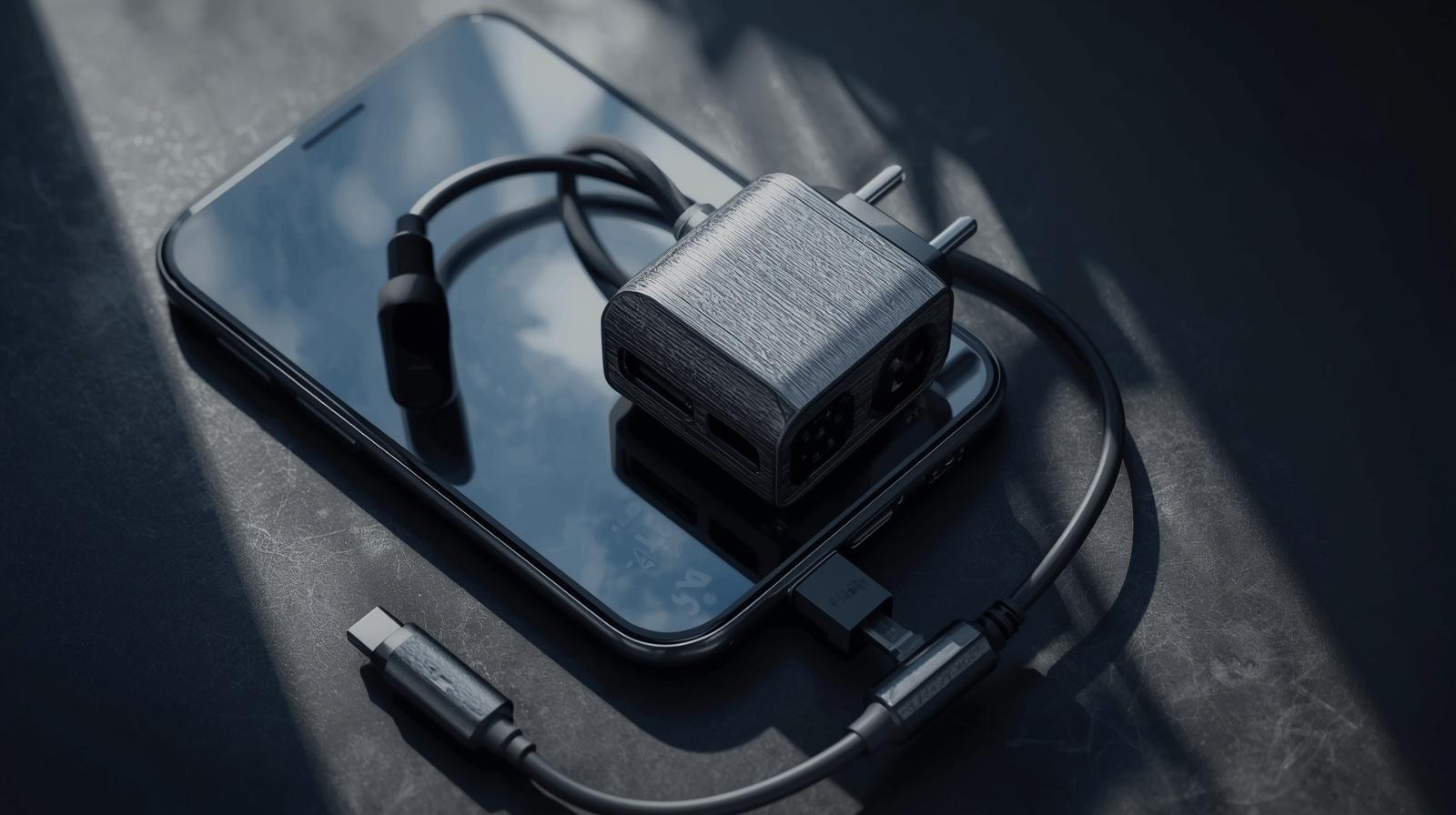
In practice, this ends the sale of new devices that rely on legacy ports such as Micro‑USB or proprietary connectors.
The move mirrors the European Union’s common charger law.
Therefore, aligning Kenya with a global shift towards a single, interoperable charging standard meant to reduce e‑waste and consumer costs.
Same charger for all phones
Once enforced, any compliant phone or tablet in Kenya will charge via USB‑C, meaning one cable and adapter can power multiple devices regardless of brand.
Users will no longer need separate chargers for different handsets and can reuse existing USB‑C accessories when upgrading.
Regulators argue this will cut the number of duplicate chargers in circulation and make it easier to share or replace chargers in homes, offices, and public spaces.
Devices shipped with a power plug must also include a three‑pin Type G plug or an adapter, ensuring compatibility with Kenyan sockets.
Phase‑out of low‑end phones
A key side effect is the gradual disappearance of the cheapest low‑end phones that still use older charging systems and do not meet the new technical thresholds.
CA’s standards cover minimum battery life (at least eight hours of talk time and 24 hours of standby), safety, radio performance, and accessibility features on top of the USB‑C requirement.
Budget devices that cannot meet these specifications, especially ultra‑cheap feature phones, will become harder to import or sell legally.
Analysts warn this could raise entry‑level prices and narrow options for low‑income users in the short term, even as it improves quality and standardization across the market.
Over time, however, economies of scale around USB‑C and stricter specs may deliver more durable, safer devices even at lower price points.
ALSO READ: Niko Kadi Movement: How Kenyan Youth Are Turning a Slang Phrase Into Ballot Power