Profitable Guide to Pixie Orange Farming In Kenya
Pixie orange farming in Kenya is one of the most profitable agribusiness ventures today. Many farmers are turning to pixie oranges because of their high demand in local and international markets. The fruit grows well in semi-arid areas where other crops may fail, making it an ideal investment for farmers in dry regions
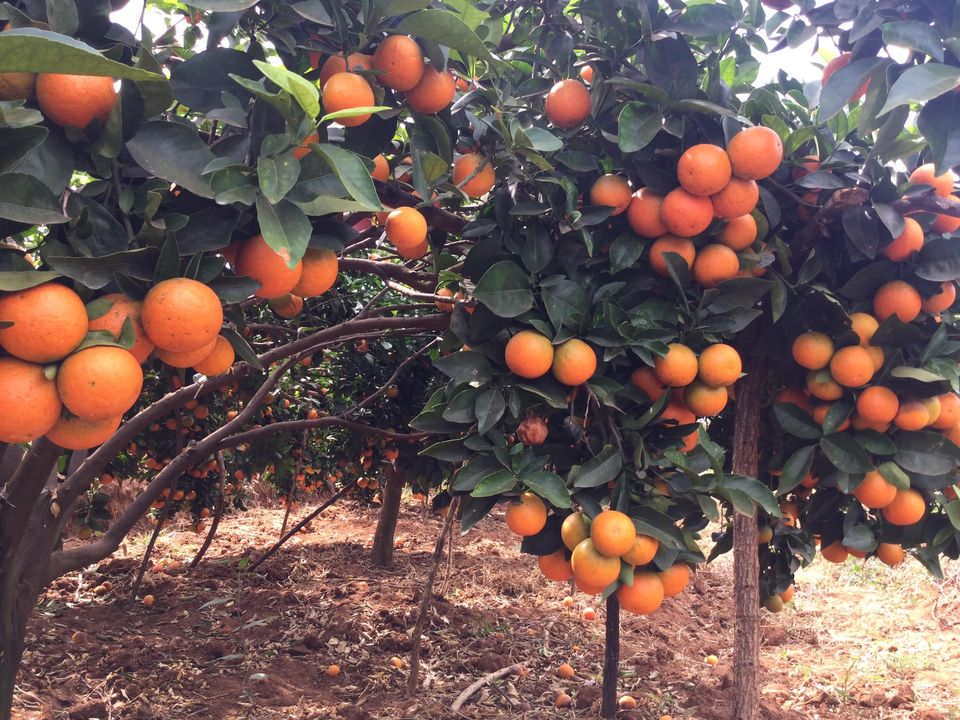
Pixie orange farming in Kenya is one of the most profitable agribusiness ventures today. Many farmers are turning to pixie oranges because of their high demand in local and international markets.
The fruit grows well in semi-arid areas where other crops may fail, making it an ideal investment for farmers in dry regions. With good management, pixie oranges can yield profits in just a few years.
This guide highlights the growing areas, ecological requirements, planting process, pest management, harvesting, and market opportunities.
Understanding Pixie Orange Farming In Kenya
Pixie orange farming in Kenya has become popular due to its resilience and profitability. The fruit is sweet, easy to peel, and enjoys strong demand in supermarkets and export markets.
Farmers are increasingly shifting to pixie farming to take advantage of its reliable yields and attractive prices.
Pixie Orange Growing Areas In Kenya
Pixie oranges thrive in arid and semi-arid regions. They are mainly grown in:
-
Kitui
-
Makueni
-
Machakos
-
Voi and other parts of the Coast
-
Some areas of Western Kenya
These regions provide the right conditions for healthy tree growth and high yields.
Ecological Conditions For Growing Pixie Orange
Pixie oranges need specific ecological conditions to perform well:
-
Altitude up to 2100m above sea level
-
At least 6 to 8 hours of sunlight daily
-
Well-drained sandy loamy soils with pH 6.5 to 7.3
-
Moderate rainfall and temperatures between 10°C to 30°C
-
Plenty of sunshine during flowering and fruit ripening
Meeting these requirements ensures strong growth and high-quality fruits.
Planting Process
Proper planting increases productivity. Farmers should:
-
Space trees at 4x5m to allow sunlight penetration
-
Dig holes measuring 2x2 feet wide and 2 feet deep
-
Use bud grafting for stronger and disease-resistant trees
With this spacing, an acre accommodates about 200 trees, ensuring maximum land use.
Pests and Diseases
Pixie oranges face several pests and diseases. Common pests include:
-
Aphids
-
Caterpillars
-
Mites
-
Fruit flies
-
Leaf miners
-
Mealybugs
Diseases that affect pixies include twig blight, damping off, collar rot, and gummosis. Farmers can manage them through foliar sprays and proper farm hygiene.
Maturity and Harvesting
Pixie oranges mature within 2 to 3 years, especially when grafted. Flowering begins in the second year, with some fruits produced at this stage. Heavy harvesting usually starts from the fourth year, depending on soil and climatic conditions.
Pixie Orange Market In Kenya
The market for pixie oranges in Kenya is lucrative. Locally, they are sold in grocery stores and supermarkets, with prices reaching up to Ksh 200 per kilo.
Export opportunities are also strong, with several companies shipping the fruit to international markets. This dual market makes pixie orange farming one of the best agribusiness opportunities in Kenya.