Lemon Farming In Kenya – A Fruitful Long-Term Investment
Lemon farming in Kenya is gaining attention from both small- and large-scale farmers. Lemons are citrus fruits packed with health benefits and have steady demand in local and international markets. While the trees take time to bear fruit—about 3 to 6 years—the returns are well worth the wait. Lemons are grown mostly in
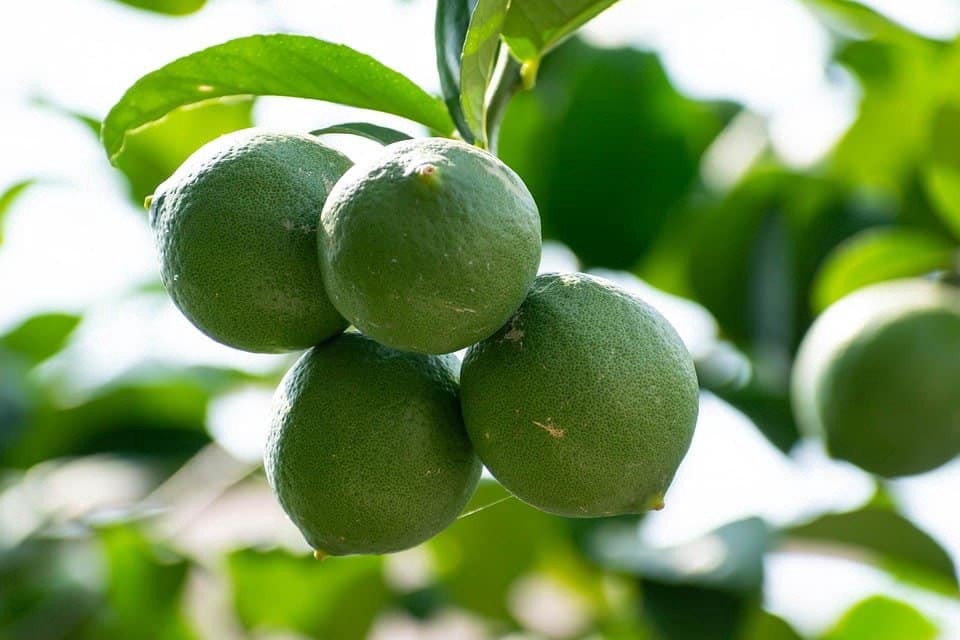
Lemon farming in Kenya is gaining attention from both small- and large-scale farmers. Lemons are citrus fruits packed with health benefits and have steady demand in local and international markets.
While the trees take time to bear fruit—about 3 to 6 years—the returns are well worth the wait. Lemons are grown mostly in the Coastal, Eastern, and parts of the Rift Valley regions due to favorable climate.
With proper care and planning, lemon farming can turn into a profitable agribusiness. This guide gives you all the key details to start and succeed in lemon farming in Kenya.
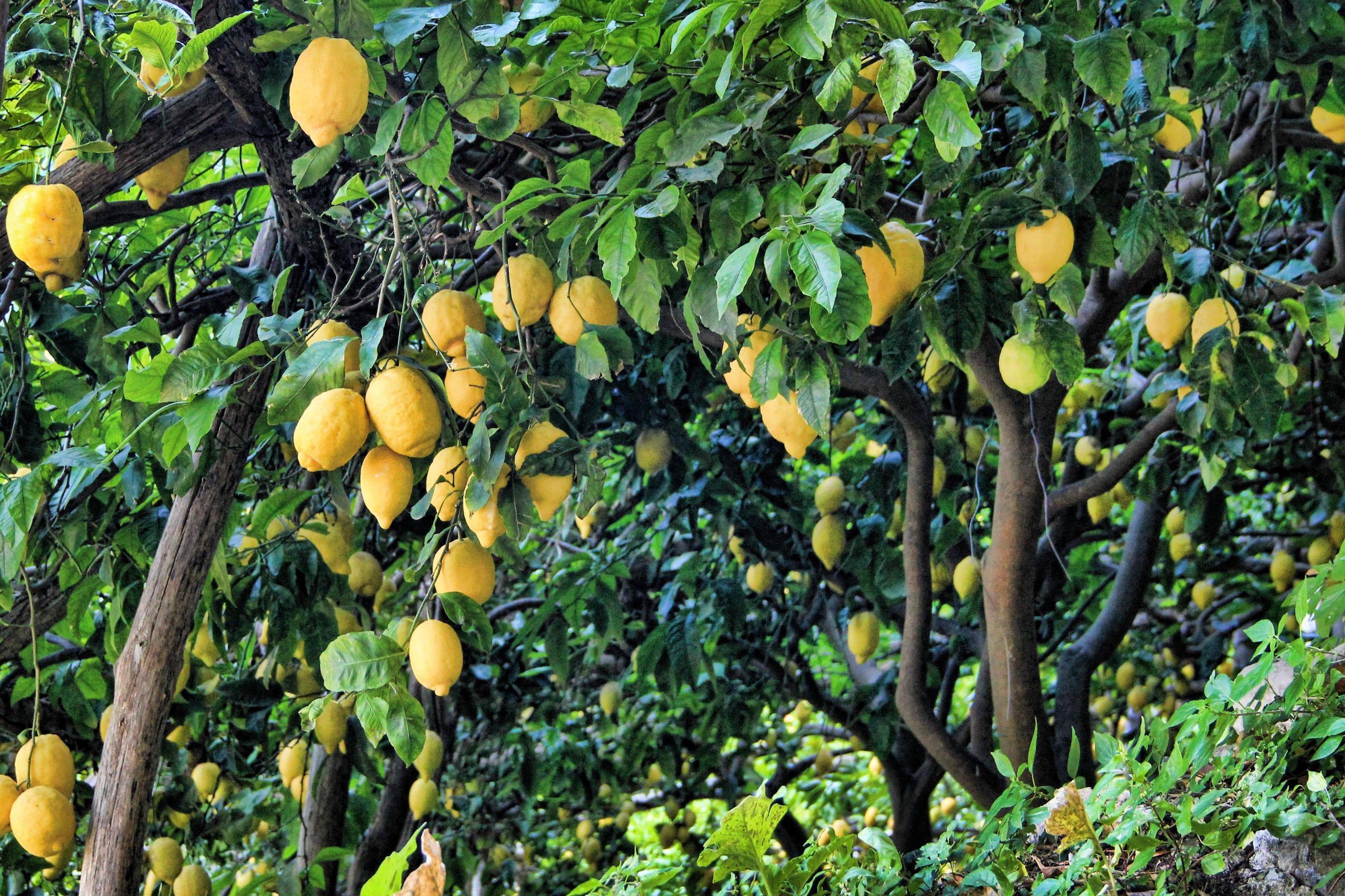 Lemon farming in Kenya is a long-term investment that promises good returns with the right approach. It requires patience, especially during the early years before the trees mature. But once they start fruiting, lemons can provide steady income for many years. [Photo: Courtesy]
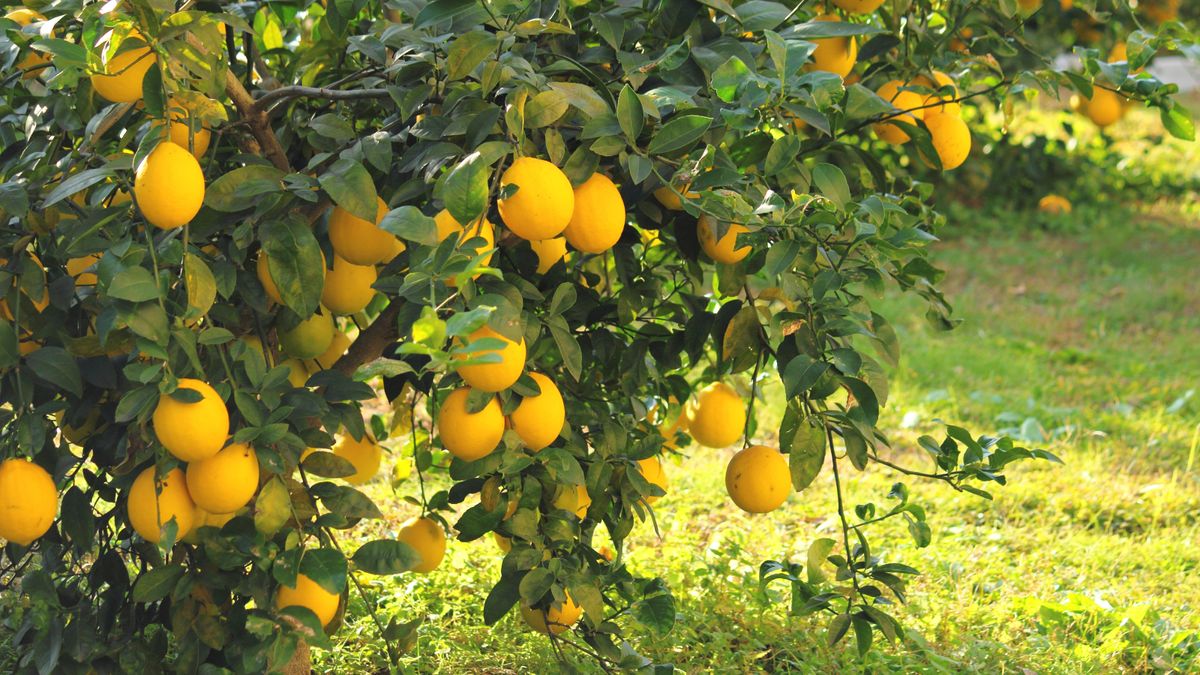 With Kenya’s climate and growing demand for citrus fruits, this is a business worth considering. Focus on good soil preparation, pest management, and proper marketing to make the most of lemon farming in Kenya. [Photo: Courtesy]
Lemon farming in Kenya is a long-term investment that promises good returns with the right approach. It requires patience, especially during the early years before the trees mature. But once they start fruiting, lemons can provide steady income for many years. [Photo: Courtesy]
Steps to Start and Manage Lemon Farming In Kenya
Lemon trees require patience, care, and the right growing conditions. Once established, they can produce fruits for years and generate good income with minimal upkeep.Best Lemon Varieties for Kenyan Farmers
Kenyan farmers grow two major types of lemons:- Acid lemons like Lisbon and Eureka
- Sweet lemons like Meyer and Ponderosa
Ideal Growing Conditions for Lemon Trees
Lemons thrive in warm, sunny regions with fertile, well-drained soils. The ideal ecological conditions include:- Annual rainfall of at least 1000mm, well distributed
- Soil pH between 6.0 and 6.5
- Temperature range of 20–30°C
- Protection from strong winds to avoid flower and fruit loss
- Good sunlight for at least 6 hours a day
- Spacing of 7m by 7m for proper air flow and sunlight
With Kenya’s climate and growing demand for citrus fruits, this is a business worth considering. Focus on good soil preparation, pest management, and proper marketing to make the most of lemon farming in Kenya. [Photo: Courtesy]
Disease and Pest Control for Lemon Trees
Lemon trees are prone to several pests and diseases that can affect yields if not managed properly. Common pests include:- Fruit flies
- Aphids
- Thrips
- Black flies
- Mites
- Ants
- False coddling moths
- Anthracnose
- Leaf spot
- Greening disease
- Damping off
- Citrus canker
- Scab
- Use insecticides and fungicides that are safe and recommended
- Apply foliar feeds and nutrient supplements to strengthen the trees
- Remove and burn infected branches or leaves to stop the spread
- Practise crop rotation and field hygiene