Exploring Mojtaba Khamenei and His Rise to Power as Iran’s New Supreme Leader
Mojtaba Khamenei has emerged as one of the most powerful figures in modern Iranian politics after being chosen as Iran’s new supreme leader in March 2026. The cleric rose to the position following the killing of his father, Ayatollah Ali Khamenei, in U.S.–Israeli strikes. For decades, Mojtaba operated largely in the sh
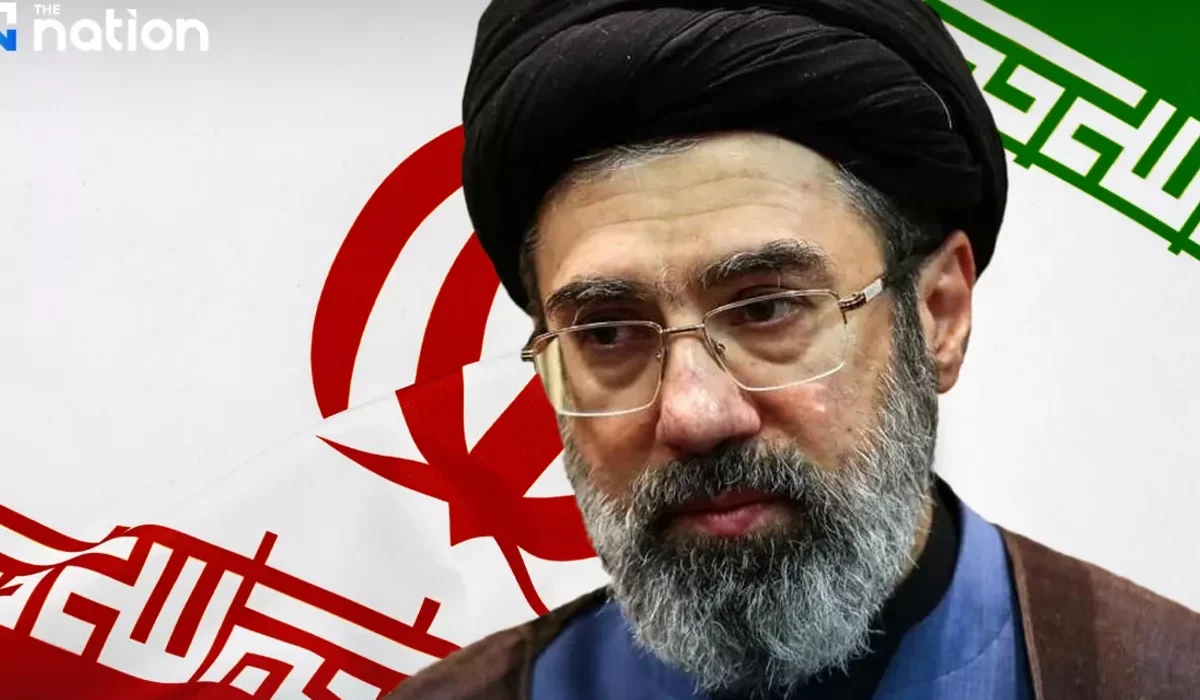
Mojtaba Khamenei has emerged as one of the most powerful figures in modern Iranian politics after being chosen as Iran’s new supreme leader in March 2026. The cleric rose to the position following the killing of his father, Ayatollah Ali Khamenei, in U.S.–Israeli strikes.
For decades, Mojtaba operated largely in the shadows while building influence inside Iran’s political and security networks. Though he rarely spoke publicly or held elected office, insiders widely viewed him as a key power broker within the Islamic Republic.
His appointment now places him at the center of Iran’s political, religious, and military authority.
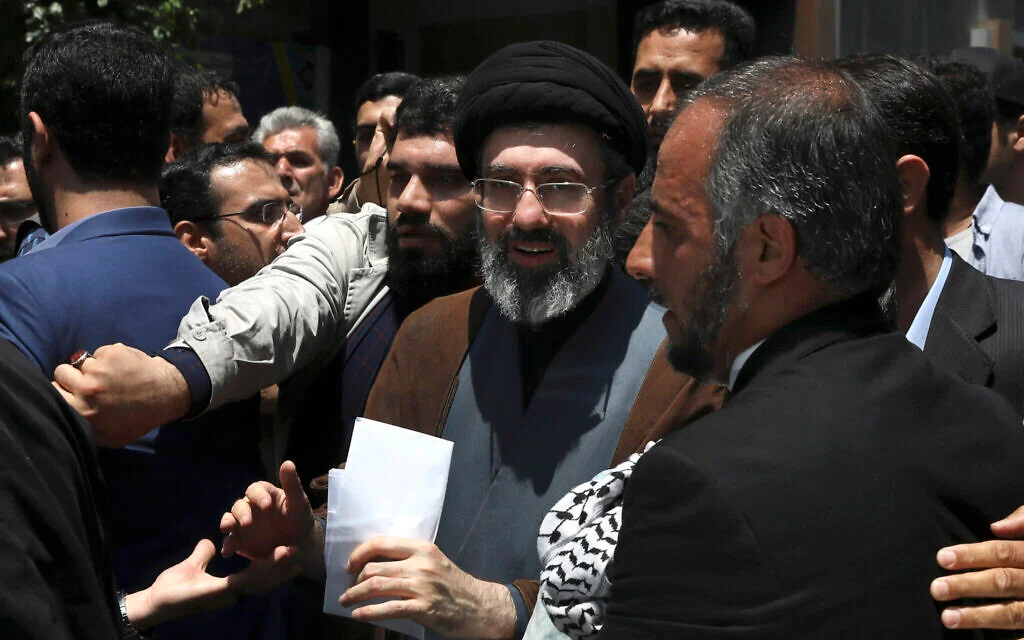 Mojtaba Khamenei now faces one of the most challenging moments in Iran’s modern history. He must stabilize a country under sanctions, rebuild a shaken leadership structure, and convince the public that his leadership represents continuity rather than dynastic succession. His decisions in the coming years will likely define the future of the Islamic Republic. [Photo/Screengrab]
U.S. diplomatic cables published by WikiLeaks once described him as “the power behind the robes,” suggesting he played a decisive role in shaping policy within the regime.
His name entered public debate during Iran’s 2005 presidential election. Reformist politician Mehdi Karroubi accused Mojtaba of influencing the vote through elements of the IRGC and the Basij militia to support the hardline candidate Mahmoud Ahmadinejad.
Similar accusations resurfaced during the disputed 2009 election that sparked the Green Movement protests. Critics alleged that Mojtaba helped coordinate the crackdown on demonstrators.
Iranian authorities denied those claims, but activists and opposition figures continued to link him to the suppression of dissent. Despite the controversy, Mojtaba strengthened his alliances with security forces and conservative clerics, cementing his reputation as a powerful insider.
 Mojtaba Khamenei was elected Iran’s new supreme leader by the Assembly of Experts, consolidating power amid controversy and internal opposition. [Photo/Courtesy]
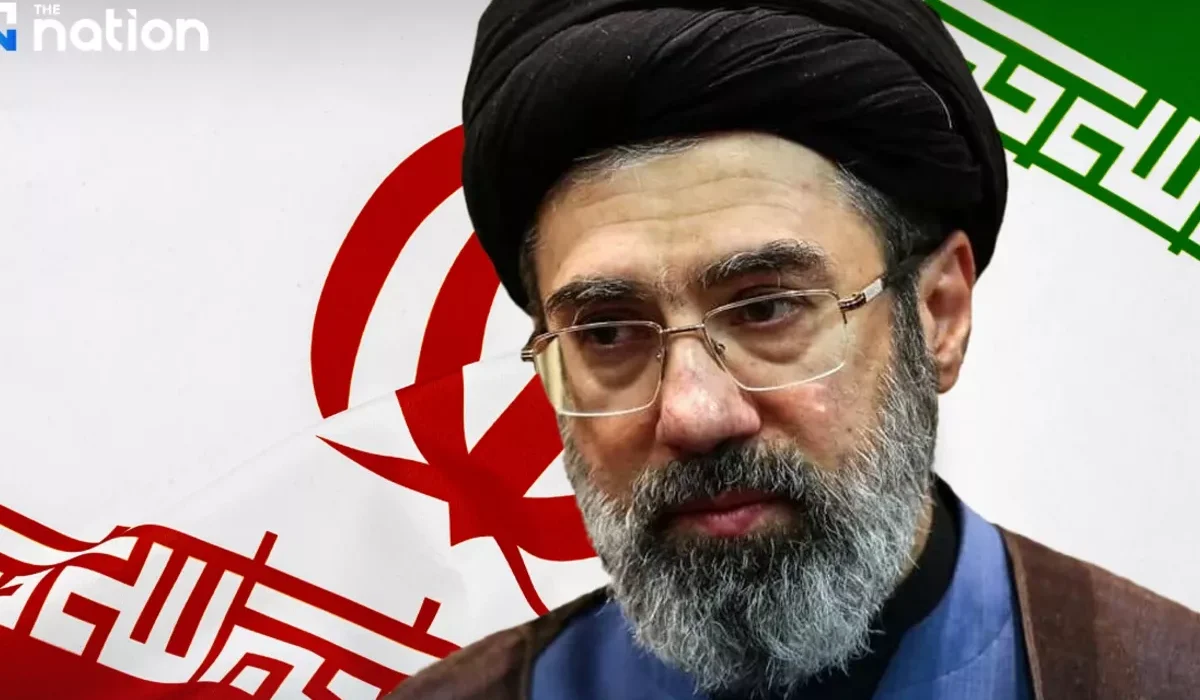
Mojtaba Khamenei now faces one of the most challenging moments in Iran’s modern history. He must stabilize a country under sanctions, rebuild a shaken leadership structure, and convince the public that his leadership represents continuity rather than dynastic succession. His decisions in the coming years will likely define the future of the Islamic Republic. [Photo/Screengrab]
Mojtaba Khamenei Background and Rise to Iran’s Supreme Leadership
Mojtaba Hosseini Khamenei was born on September 8, 1969, in Mashhad, a major religious city in northeastern Iran. He is the second son of Iran’s former supreme leader, Ayatollah Ali Khamenei, and Mansoureh Khojasteh Bagherzadeh. His family belongs to the Azeri–Persian Khamenei lineage, which traces its ancestry to Husayn ibn Ali, a revered figure in Shia Islam. Mojtaba grew up during the turbulent years surrounding the 1979 Iranian Revolution. At that time, his father emerged as a prominent revolutionary figure opposing the monarchy of Shah Mohammad Reza Pahlavi. The political upheaval shaped Mojtaba’s early worldview and placed him close to the center of Iran’s new Islamic leadership. He spent part of his childhood studying in the cities of Sardasht and Mahabad before moving to Tehran for his secondary education. Mojtaba attended the prestigious Alavi School, which has produced several figures within Iran’s ruling establishment. After completing high school, he pursued religious studies. His early instructors included his father and prominent cleric Ayatollah Mahmoud Hashemi Shahroudi. In 1999, Mojtaba moved to the religious hub of Qom to deepen his theological education at the Qom Seminary, one of the most influential centers of Shia scholarship. Although he became a cleric, Mojtaba remained a mid-ranking religious scholar. Some analysts have questioned whether his clerical rank traditionally qualifies him for Iran’s highest religious office.Career and Growing Political Influence
Mojtaba Khamenei began building connections within Iran’s military and security establishment early in life. He joined the Islamic Revolutionary Guard Corps (IRGC) in 1987 during the Iran–Iraq War. As a young recruit, he reportedly served with the Habib bin Muzahir Battalion and took part in several operations during the eight-year conflict. The war deeply shaped Iran’s leadership and reinforced the regime’s distrust of Western powers. After the war, Mojtaba gradually expanded his influence behind the scenes. He served as Deputy Chief of Staff to the Supreme Leader for Political and Security Affairs from 1999 until 2026. In that role, he worked closely with senior security officials and clerical leaders. Over time, analysts and diplomats began to describe him as one of the most powerful unelected figures in Iran.| Key Career Milestones | Details |
|---|---|
| 1987 | Joined the IRGC during the Iran–Iraq War |
| 1999 | Began advanced religious studies in Qom |
| 1999–2026 | Deputy Chief of Staff to the Supreme Leader |
| 2009 | Reportedly assumed leadership influence over the Basij militia |
| 2026 | Chosen as Iran’s third Supreme Leader |
Mojtaba Khamenei was elected Iran’s new supreme leader by the Assembly of Experts, consolidating power amid controversy and internal opposition. [Photo/Courtesy]