

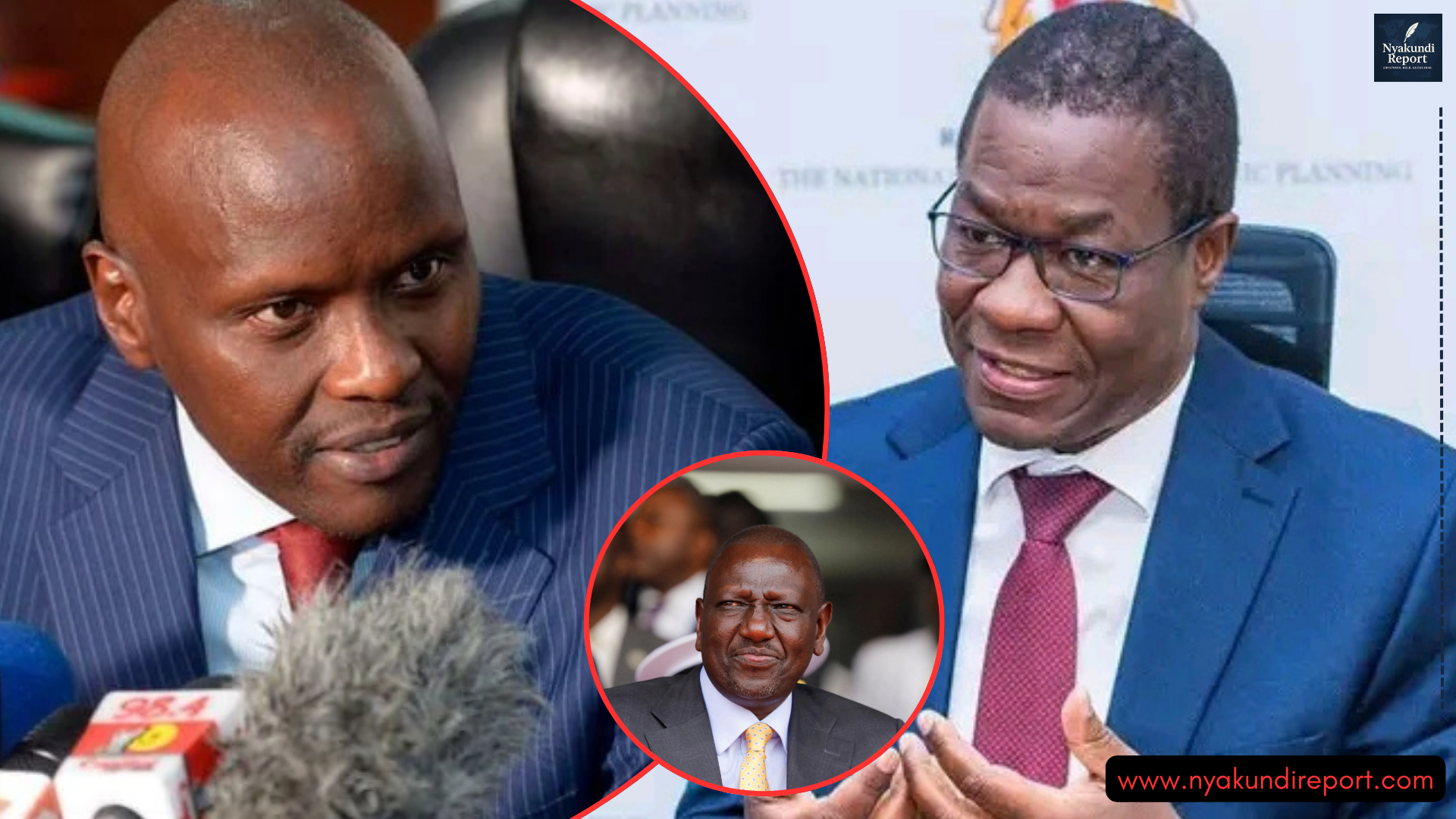
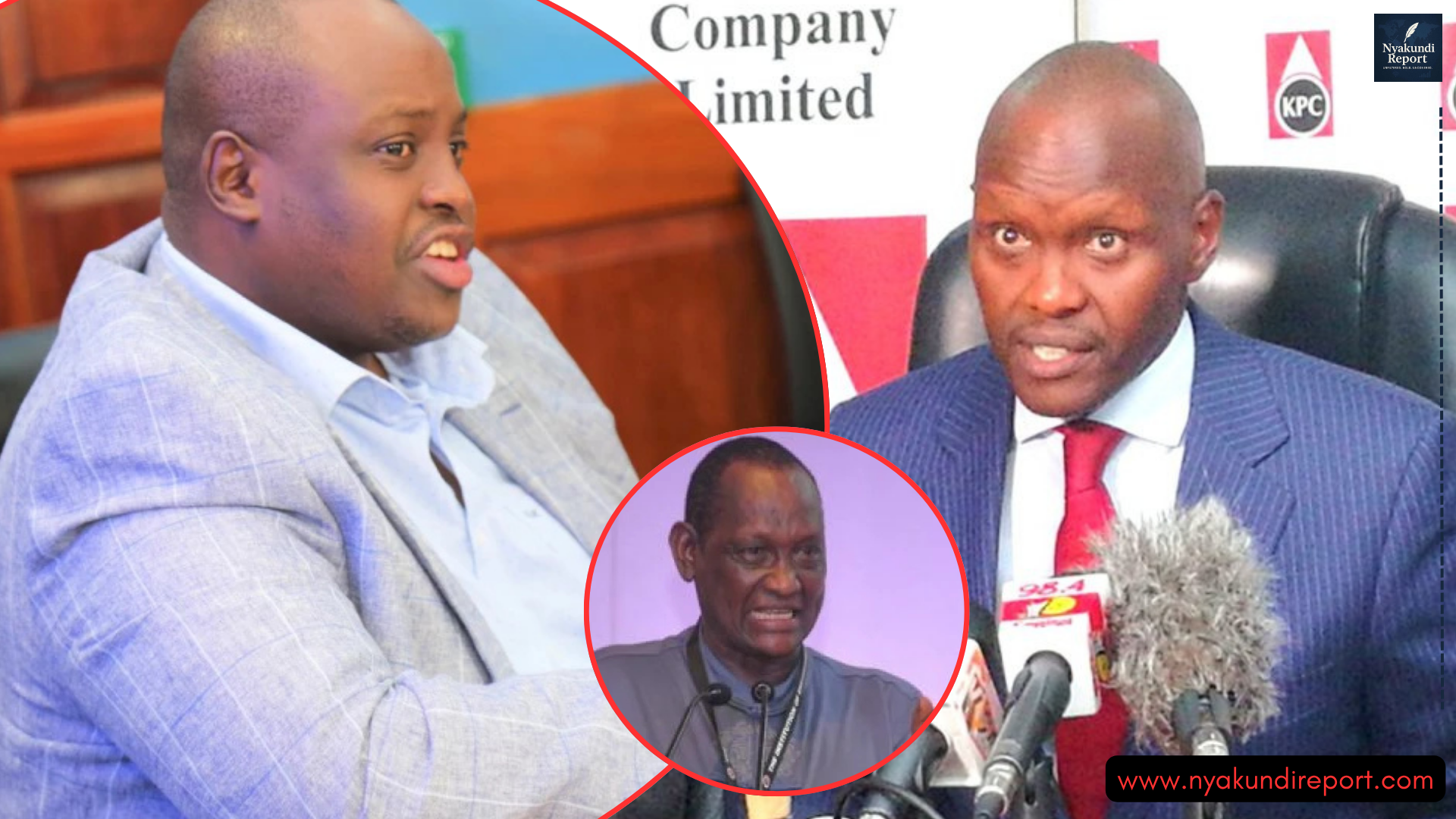






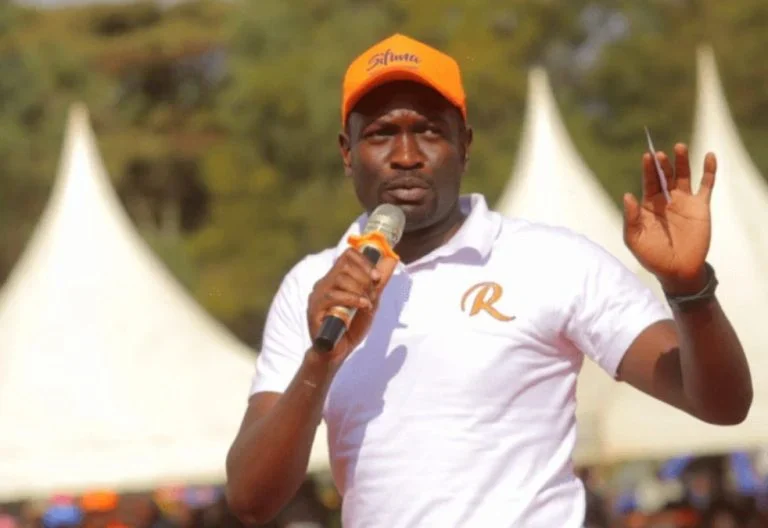
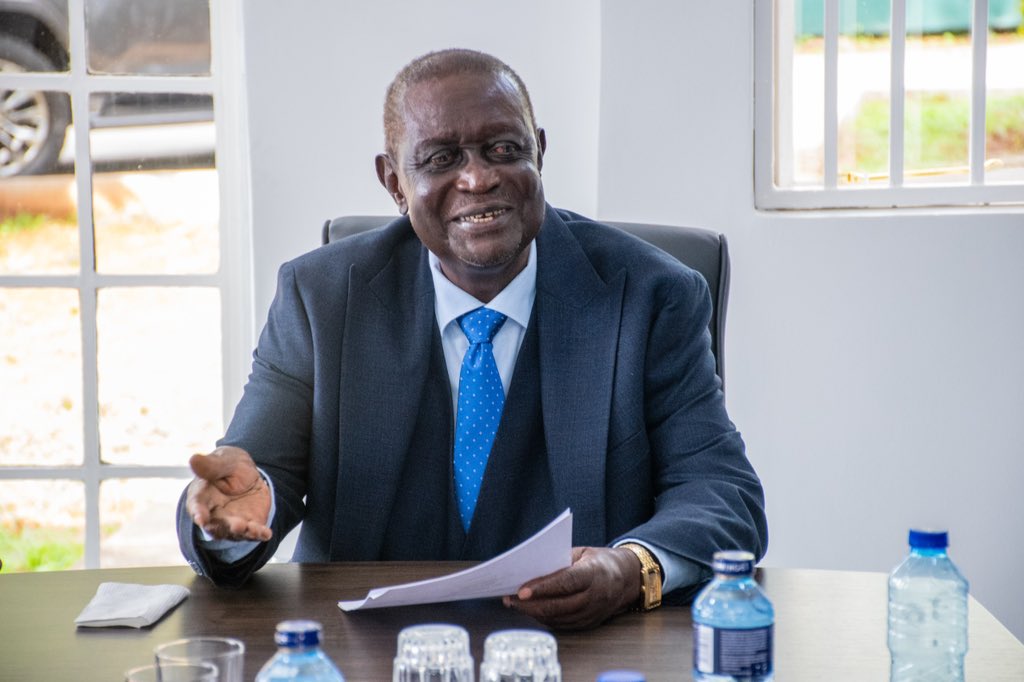







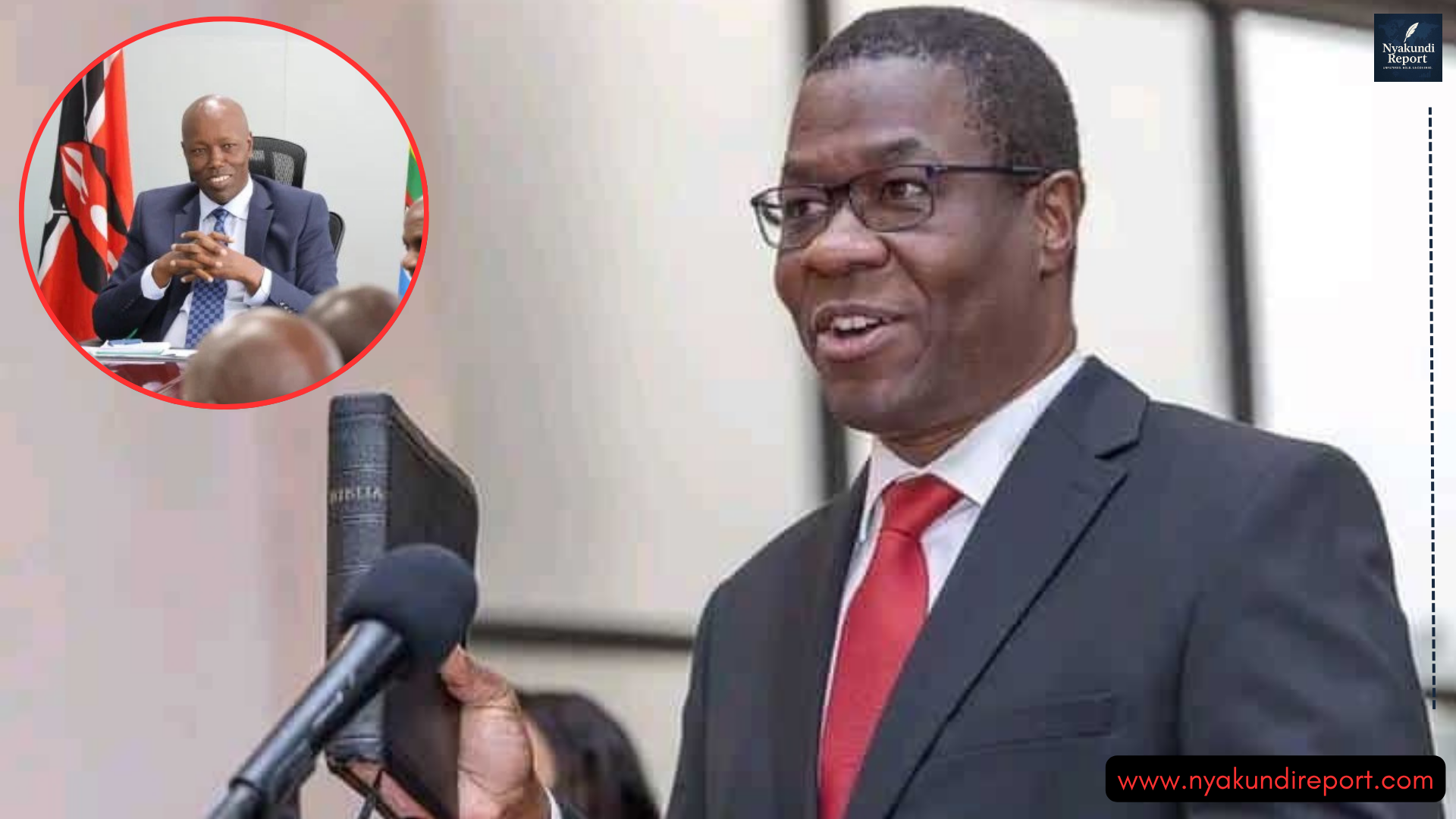
Energy CS Opiyo Wandayi now stands at the centre of Kenya’s most explosive fuel scandal in recent memory, yet he has remarkably recast himself as the man exposing the rot in a ministry he controls.
The Wandayi oil scandal has ripped open deep questions about oversight, accountability, and political survival. But the bigger question Kenyans are asking is simple and devastating: if you are the boss, how do you become the whistleblower?
The Wandayi Oil Scandal Exposes a Political Playbook Kenya Has Seen Before
Kenya’s political landscape has produced this script repeatedly, and the public knows every line by heart. It begins with denial. Then comes the blame on cartels. Next, the minister warns of disinformation campaigns targeting him. And finally, when the scandal refuses to die, the official dramatically repositions himself as the brave insider exposing wrongdoing—the very wrongdoing that flourished under his watch.
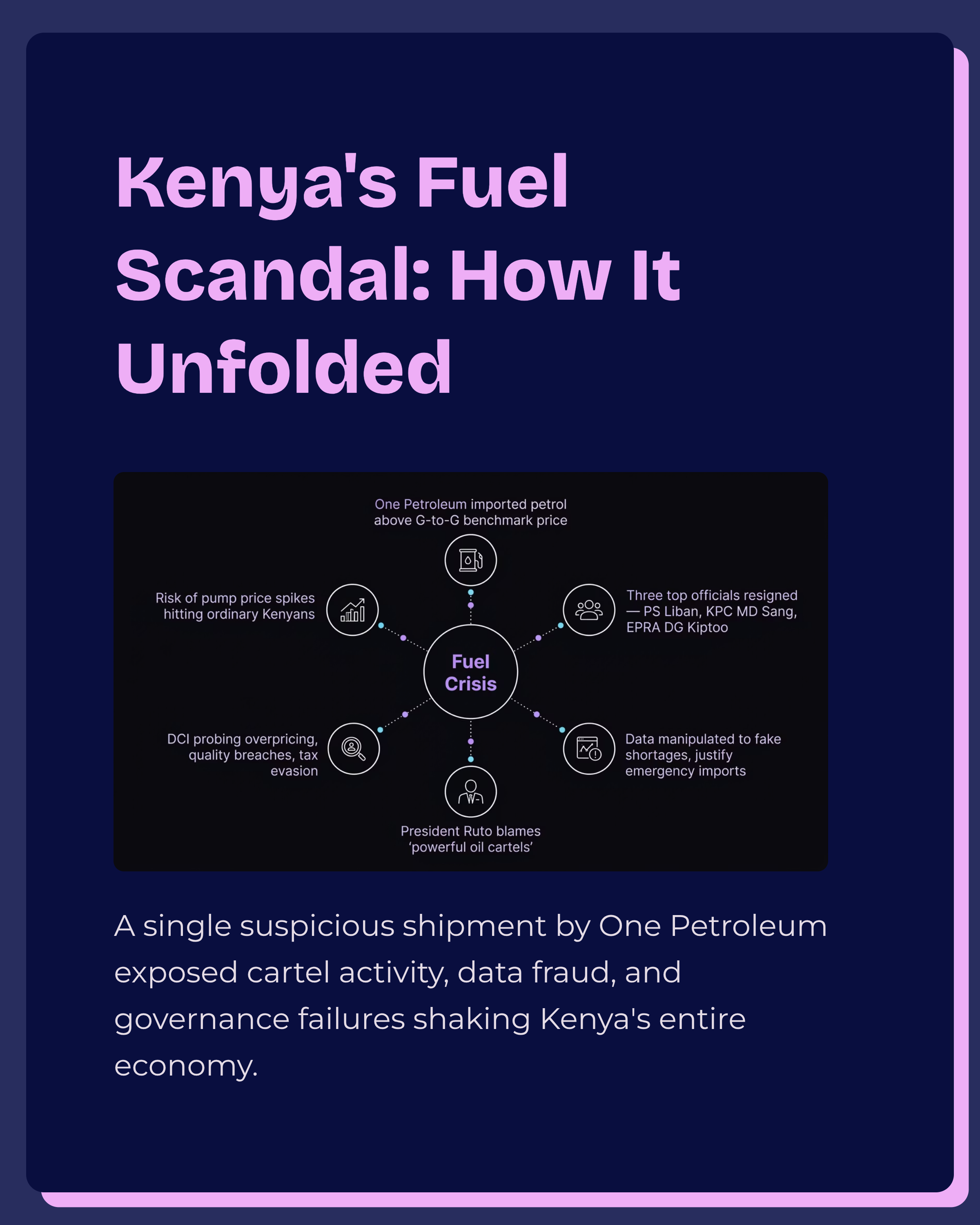
Wandayi is now deep inside that final act. The Energy Ministry sits at the heart of a sprawling scandal involving the illegal importation of 60,000 metric tonnes of substandard super petrol outside Kenya’s Government-to-Government fuel framework.
Senior officials have already faced arrest over allegations of falsifying fuel stock data and manipulating supply figures to justify emergency imports that cost taxpayers Ksh2.9 billion.
Three officials—former Petroleum PS Mohammed Liban, ex-EPRA Director General Daniel Kiptoo, and former Kenya Pipeline Corporation MD Joe Sang—have been arrested, released on bail, and now await trial.
Yet the man who heads the ministry overseeing all of this has not stepped aside. Instead, Wandayi has stepped forward—as a whistleblower. That contradiction has ignited a firestorm of public skepticism.
Why Wandayi’s Whistleblower Narrative Simply Does Not Add Up
Whistleblowers are typically powerless insiders who risk everything to expose wrongdoing by those above them. They operate at personal cost, often sacrificing careers, relationships, and safety to bring hidden truths to light. They are not the people sitting at the top of the chain of command.
Wandayi controls the Energy Ministry. He oversees EPRA. He has authority over the structures meant to prevent exactly the kind of manipulation that the Wandayi oil scandal has now laid bare. For him to present himself as the person uncovering corruption within a sector he supervises stretches credibility beyond its limits.
Critics have pointed out the obvious gap: if the CS was genuinely committed to exposing wrongdoing, why did the scandal erupt on such a massive scale before he raised the alarm? Why did it take arrests, public outrage, fuel shortages, and soaring matatu fares before the warnings began emerging from his office?
The public is asking these questions loudly and the answers remain dangerously thin. Wandayi has responded by warning that powerful cartels are fighting back against reforms. While fuel cartels undeniably exist in Kenya, that argument has become a familiar deflection tool.
Ministers deploy it regularly when scandals reach their doorstep. The claim begins to look less like a genuine warning and more like damage control when it surfaces only after wrongdoing has already been exposed and arrests have already been made.
The Anne Waiguru Parallel That Should Make Wandayi Deeply Uncomfortable
Kenya’s political memory runs long, and the Wandayi oil scandal has already triggered uncomfortable comparisons to one of the country’s most high-profile ministerial collapses.
During the National Youth Service scandal, former Cabinet Secretary Anne Waiguru adopted a strikingly similar posture. She presented herself as the person uncovering corruption networks within her own ministry as allegations intensified around her. Waiguru spoke about cartels. She warned about powerful forces resisting reform. She positioned herself as a reformer rather than an administrator under fire.
The public saw through it. Investigations expanded. Political pressure mounted. And Waiguru eventually resigned.
That episode taught Kenyans to recognise the pattern early. When a minister’s language shifts from administrative confidence to investigative urgency, it often signals that the political endgame has quietly begun. Wandayi’s tone has shifted in precisely that direction. Statements that once projected firm control of the energy sector now carry warnings about hidden sabotage and internal networks operating beyond his reach.
That language may comfort his allies, but it rarely reassures a public already watching fuel queues stretch around petrol stations and matatu fares spike to Ksh700 on the Nakuru-Nairobi route.
The Buck Stops With Wandayi, and No Whistleblower Script Can Change That
In any serious system of governance, accountability follows authority. Wandayi holds authority over Kenya’s energy sector. That means accountability for the Wandayi oil scandal ultimately rests with him, regardless of how many cartels he names or how many warnings he issues.
The public now faces two uncomfortable possibilities. If the wrongdoing is confirmed and proven, Kenyans will demand to know how it happened under a CS who claims to champion transparency. If the wrongdoing cannot be proven, Kenyans will demand to know why the country was thrown into fuel crisis chaos over unsubstantiated claims.
Neither outcome is comfortable for Wandayi. Political analysts warn that once a minister transitions from administrator to self-defender, the conversation almost always shifts toward one question—who must be held responsible? That question has now arrived at Wandayi’s door, and no amount of whistleblower positioning will make it go away.
The Wandayi oil scandal has already cost Kenya billions, triggered nationwide fuel shortages, pushed ordinary citizens to the economic edge, and shaken confidence in the institutions meant to protect them. The country deserves answers from the person in charge — not a rebranding exercise dressed up as courage.