






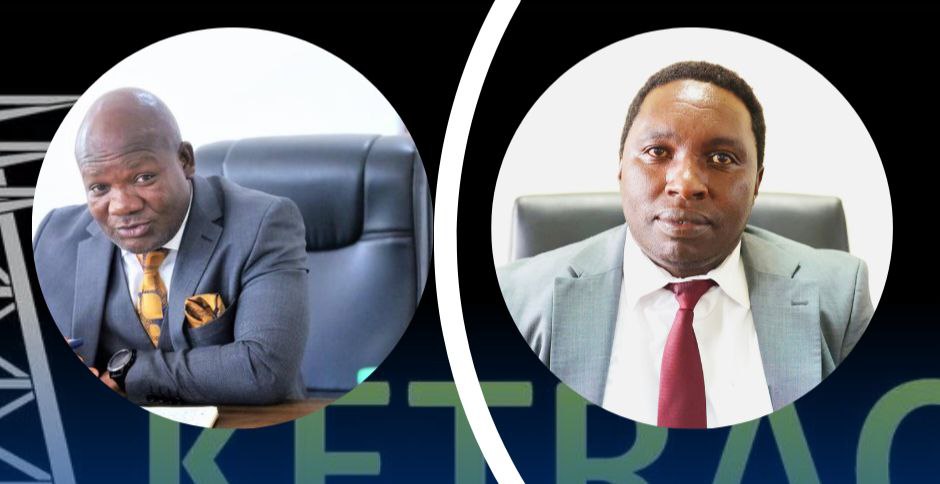

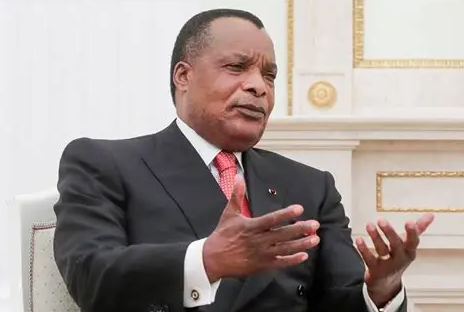
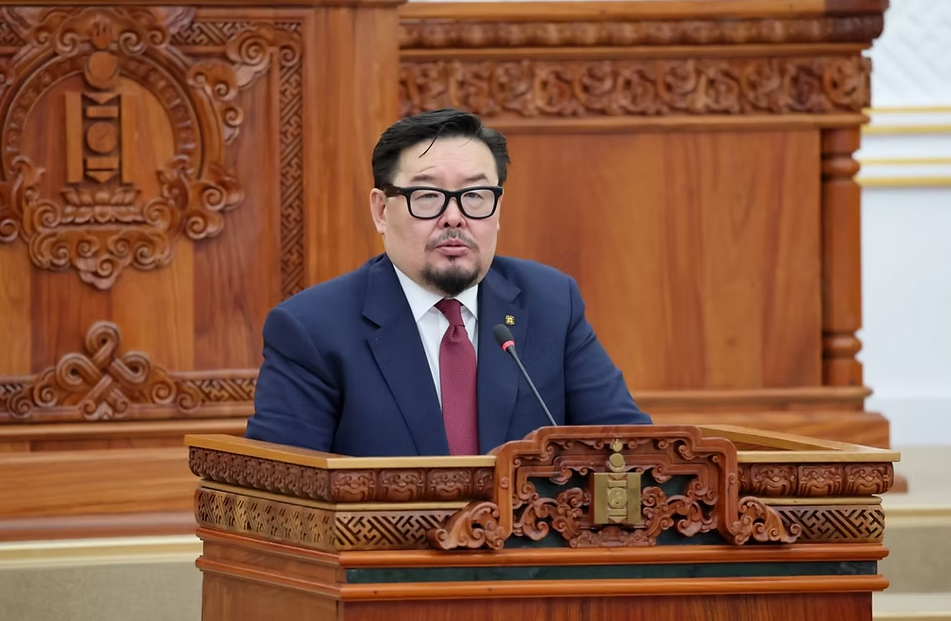
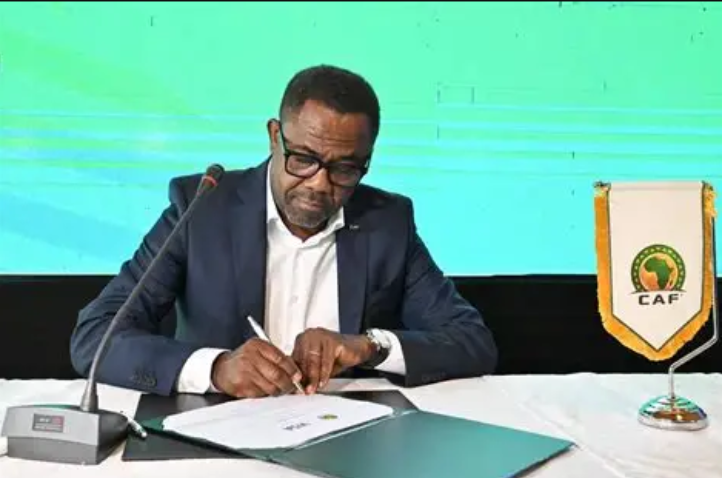







Three senior government officials and two state corporation managers stare down the barrel of a decade behind bars as investigators build a damning criminal case against them over one of Kenya’s most brazen energy sector scandals.
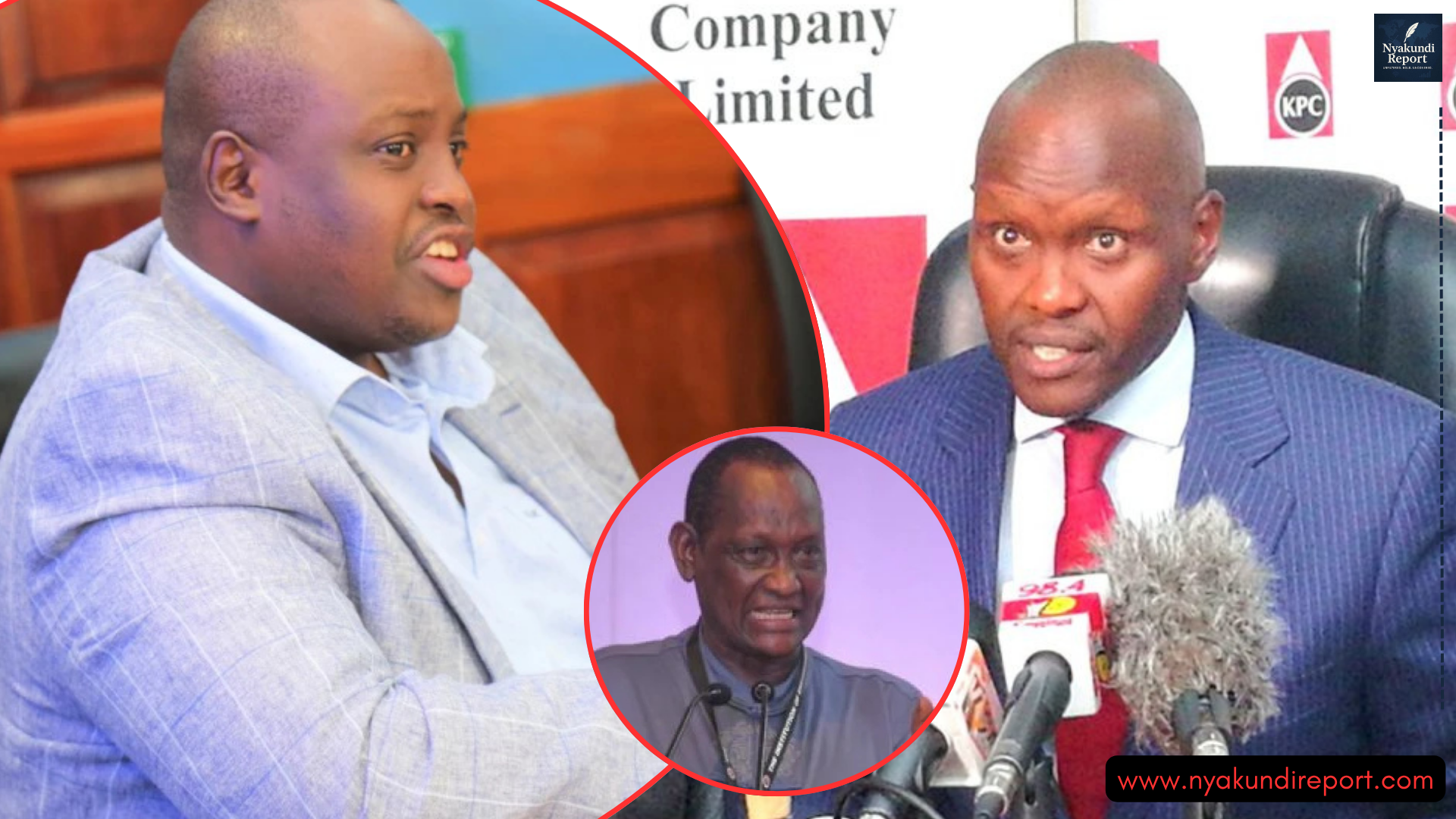
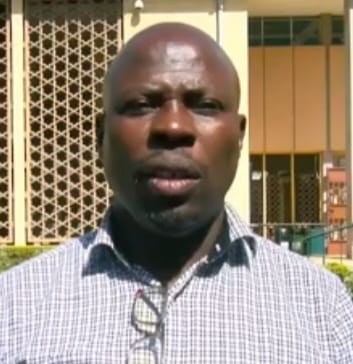
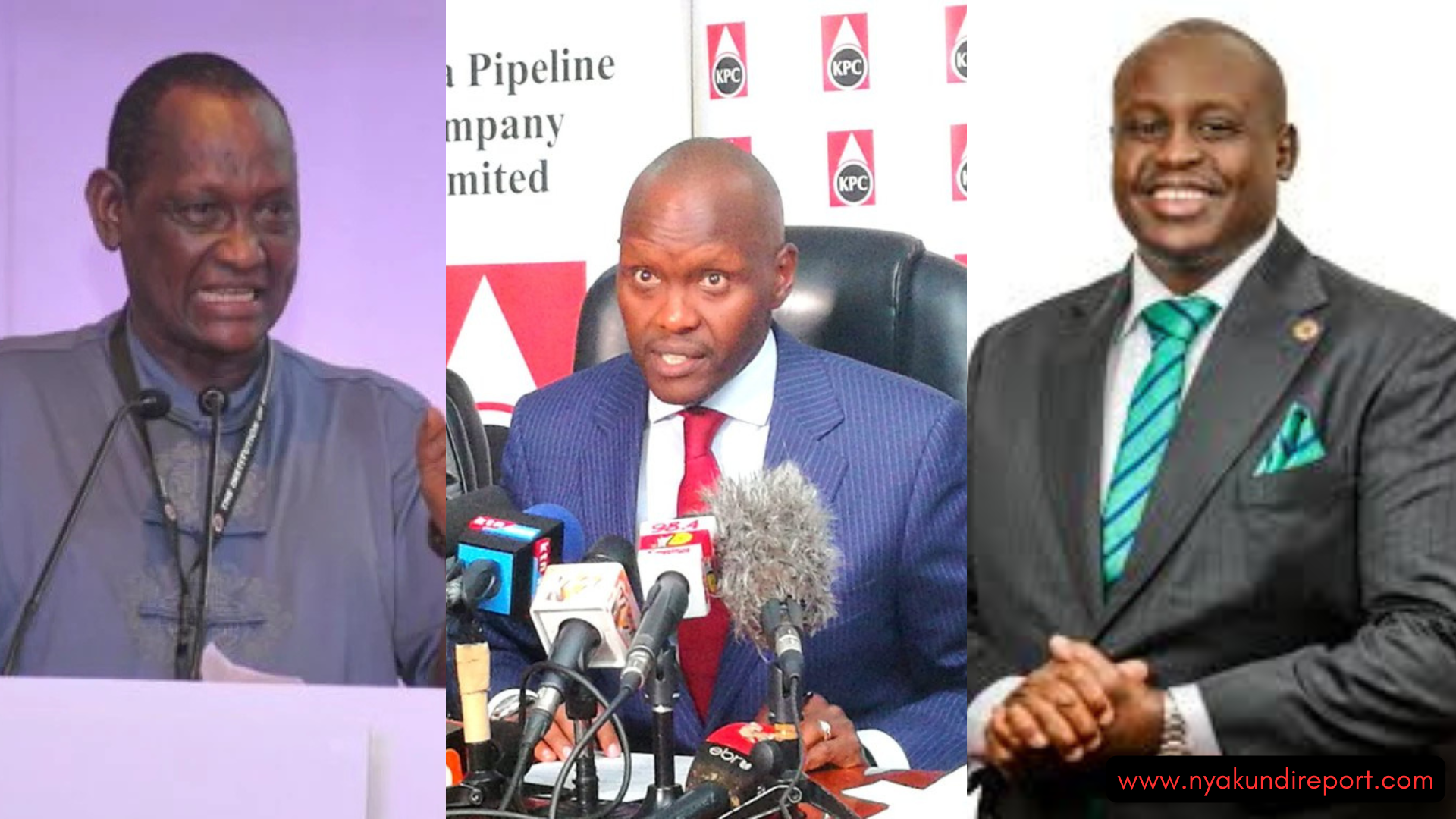
Former Petroleum PS Mohamed Liban, ex-Kenya Pipeline Company MD Joe Sang, and former EPRA Director General Daniel Kiptoo Bargoria, arrested Friday alongside two others, are expected in court Tuesday.
Prosecutors allege they manipulated fuel stock data, manufactured a fake supply crisis, and used it to justify procuring emergency fuel outside established frameworks at massively inflated prices.
What the Fuel Scandal Suspects Are Accused Of
Investigators allege that the five officials deliberately falsified petroleum stock data to create a false impression that Kenya was staring down a devastating fuel shortage. That manufactured crisis then became the justification for bypassing the Government-to-Government procurement framework—a safeguard specifically designed to prevent exactly this kind of looting.
By circumventing the established framework, the suspects allegedly procured an emergency fuel consignment at inflated prices, potentially costing Kenyan taxpayers hundreds of millions of shillings. Investigators are now digging into whether that consignment even met basic quality standards, opening the door to additional charges linked to substandard goods and public safety violations.
Deputy Director of Petroleum Joseph Wafula and Kenya Pipeline Company Supply and Logistics Manager Joel Mburu round out the five suspects. Together, the group represents a cross-section of the energy sector’s most sensitive decision-making positions, from policy to procurement to storage and distribution.
A 10-Year Jail Sentence and Ruinous Fines Await Conviction
The charges prosecutors are pursuing carry devastating consequences. Under the Anti-Corruption and Economic Crimes Act and the Penal Code, the suspects face a combination of abuse of office, conspiracy to commit an economic crime, fraudulent acquisition of public property, and violations related to the protection of public revenue.
A conviction on any of these counts exposes each suspect to fines of up to Ksh1 million, imprisonment of up to 10 years, or both. Courts can also slap them with additional fines equivalent to twice the total value of the loss or benefit obtained, a figure that could dwarf the base penalties depending on what financial forensics uncover.
The courts retain further powers to order asset forfeiture, recover unexplained wealth, and permanently bar the convicted from ever holding public office again. For men who built careers inside the corridors of government power, that last sanction may sting as sharply as the prison sentence itself.
Financial Forensics Widen the Net
The investigation has grown far beyond its initial scope. Authorities have launched a full financial forensics operation, tracing assets and mapping transactional flows to establish whether the suspects or entities connected to them pocketed illegal gains from the scandal.
This forensic expansion signals that investigators are not merely chasing the paper trail of one suspicious fuel consignment. They are building a broader picture of systemic corruption, one that could implicate additional individuals and institutions as the evidence mounts.
The Office of the Director of Public Prosecutions will review the complete investigation files before formally confirming the charges when the suspects appear in court on Tuesday.
President William Ruto, speaking on Sunday, used the arrests to send a stark warning to what he called “energy sector cartels.” He declared that his administration would not merely talk about fighting corruption but would act decisively against it, insisting that those operating in the shadows of Kenya’s energy sector would face full accountability.
The Directorate of Criminal Investigations separately confirmed it is reviewing remarks made by Deputy President Rigathi Gachagua for potential offences under the National Cohesion and Integration Act, including hate speech and incitement. The agency stressed this inquiry runs parallel to the petroleum case and is entirely independent of it.
As Tuesday’s court appearance approaches, the fuel scandal has already shaken public confidence in the institutions responsible for safeguarding Kenya’s energy supply. The question now is not merely whether these five men will face justice but how deep the rot truly runs and how many more names investigators will drag into the light before this case reaches its conclusion.