Watermelon Farming in Kenya—A Lucrative Agribusiness Opportunity
Watermelon farming in Kenya has grown popular due to the fruit's high demand and excellent profits. From roadside vendors to supermarkets, watermelons are everywhere, especially during the hot seasons. The crop grows fast and requires minimal input compared to many others. Hot and semi-arid areas such as Kajiado, Makue
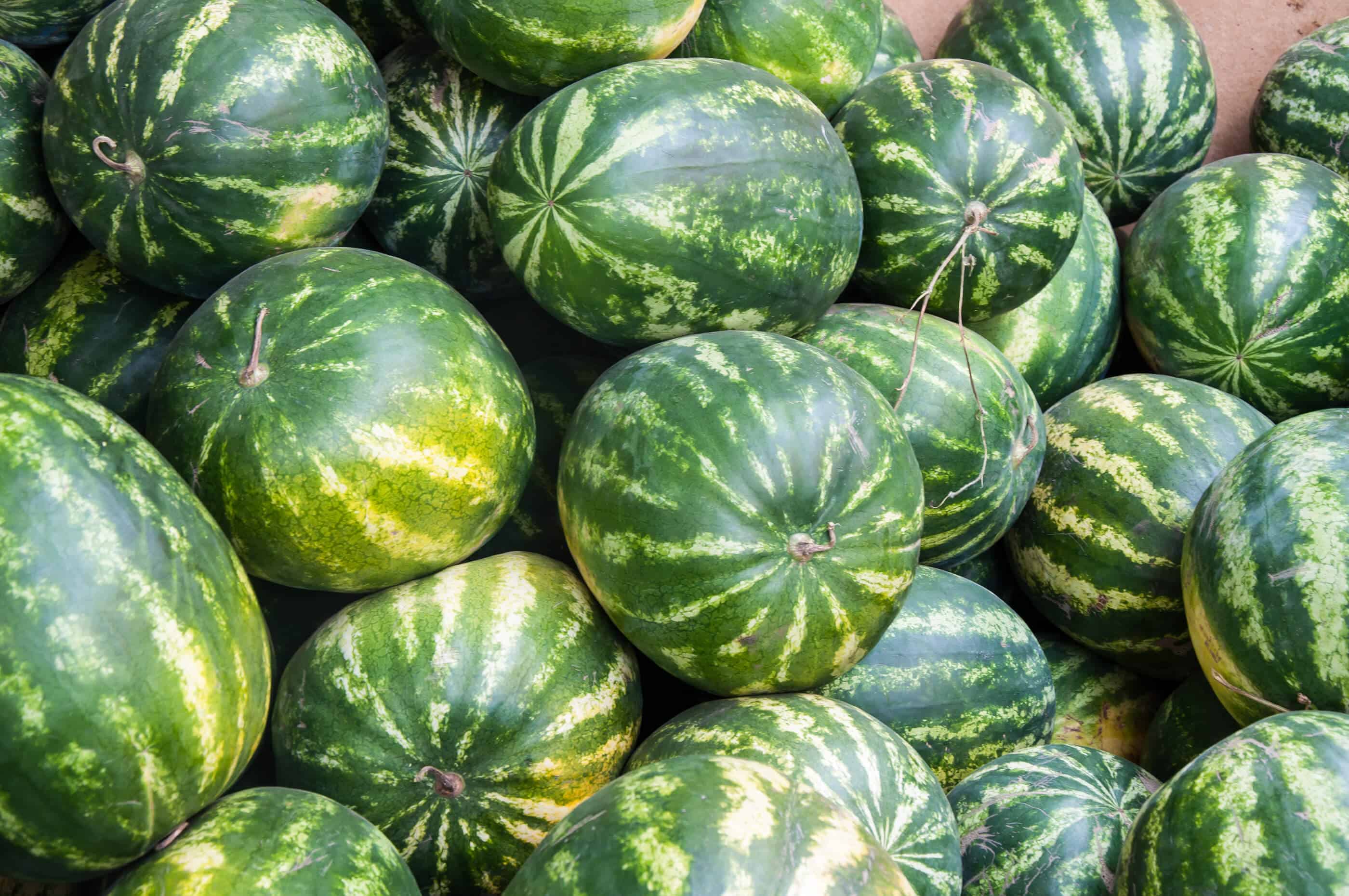
Watermelon farming in Kenya has grown popular due to the fruit's high demand and excellent profits. From roadside vendors to supermarkets, watermelons are everywhere, especially during the hot seasons. The crop grows fast and requires minimal input compared to many others.
Hot and semi-arid areas such as Kajiado, Makueni, Machakos, and the Coastal region are ideal for growing watermelons. If you’re a farmer or thinking of starting an agribusiness venture, watermelon farming offers a fast and rewarding path to income.
This guide walks you through the key steps and conditions needed for successful watermelon farming in Kenya.
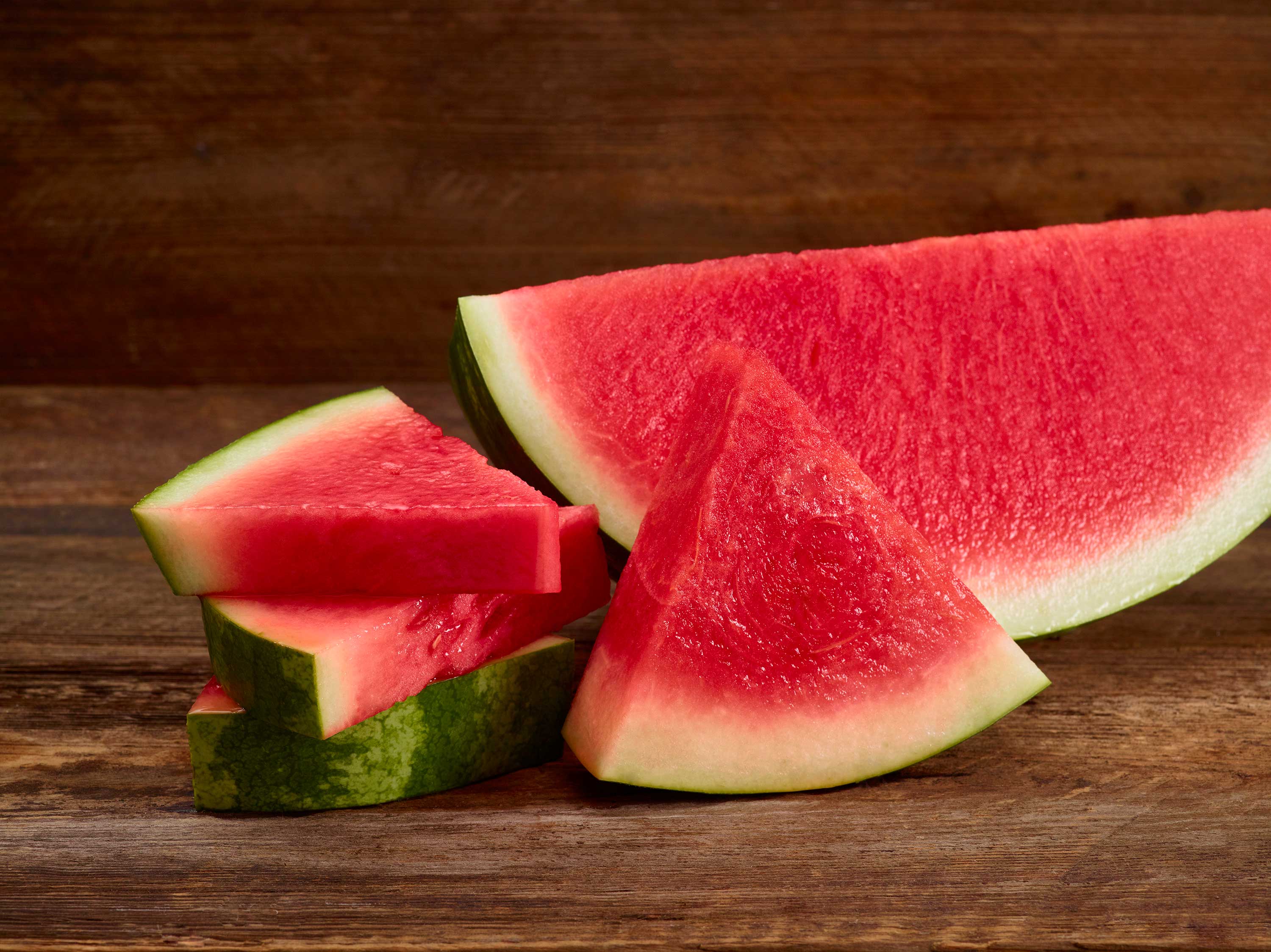 Watermelon farming in Kenya is a profitable venture for anyone with access to the right climate and soil. The crop is fast-growing, has a strong local market, and requires moderate inputs. With good seed selection, timely planting, proper weeding, and pest control, you can enjoy high yields and good income. [Photo: Courtesy]
Watermelon farming in Kenya is a profitable venture for anyone with access to the right climate and soil. The crop is fast-growing, has a strong local market, and requires moderate inputs. With good seed selection, timely planting, proper weeding, and pest control, you can enjoy high yields and good income. [Photo: Courtesy]
Key Steps to Successful Watermelon Farming In Kenya
Watermelons do well in regions with plenty of sunlight, warm temperatures, and fertile soils. They are sensitive to excess water, so proper drainage is key. With the right variety, good land preparation, and proper care, watermelon farming can give you big yields and profits. Popular watermelon varieties grown in Kenya include:- Zuri F1
- Sukari F1
- Kubwa F1
- Sugar Baby
- Crimson Sweet
- Sweet Rose F1
- Altitude of up to 1500m above sea level
- Temperature range of 15–30°C
- At least 6–8 hours of direct sunlight daily
- Rainfall of 600 mm per season
- Loamy, well-drained soils rich in nutrients
Land Preparation and Planting Process
Land preparation should begin weeks before planting. Clear weeds and crop remains, and allow enough time for them to decompose. This reduces the risk of pests and diseases. Watermelons are planted using seeds. You can either:- Direct-seed into the field
- Raise seedlings in a nursery and transplant them after 3–4 weeks
Weed Control and Pest Management
Weeds compete with your watermelon plants for nutrients, water, and sunlight. Early and regular weeding is important to prevent yield loss. You can weed by hand or use shallow cultivation to avoid damaging the roots. Watermelons are vulnerable to several pests including:- Cutworms
- Melon flies
- Red spider mites
- Leaf miners
- Aphids and whiteflies
- Thrips and nematodes
- Damping off
- Powdery mildew
- Anthracnose
- Watermelon mosaic virus
- Leaf spot
- Fusarium wilt
- Practising crop rotation
- Using foliar sprays and organic pest control methods
- Maintaining good field hygiene
- Planting disease-resistant varieties
Harvesting and Market Opportunities
Watermelons are ready to harvest 3 to 4 months after planting, depending on the variety and weather conditions. Harvest early in the morning when it's still cool to avoid damaging the fruit with heat. Signs of maturity include:- Skin colour changing from white to pale yellow at the bottom
- Cracking at the stem
- A deep hollow sound when tapped
- Open-air markets
- Supermarkets and groceries
- Hotels and restaurants
- Schools and institutions