Steps to Onion Farming In Kenya for High Yields and Profit
Onions are a key part of most Kenyan meals, whether fried, stewed or used raw in salads. With nearly every household using them daily, onion farming in Kenya has become one of the most reliable agribusiness ventures. It offers quick returns, a ready market, and the flexibility to grow in various regions. From the highl
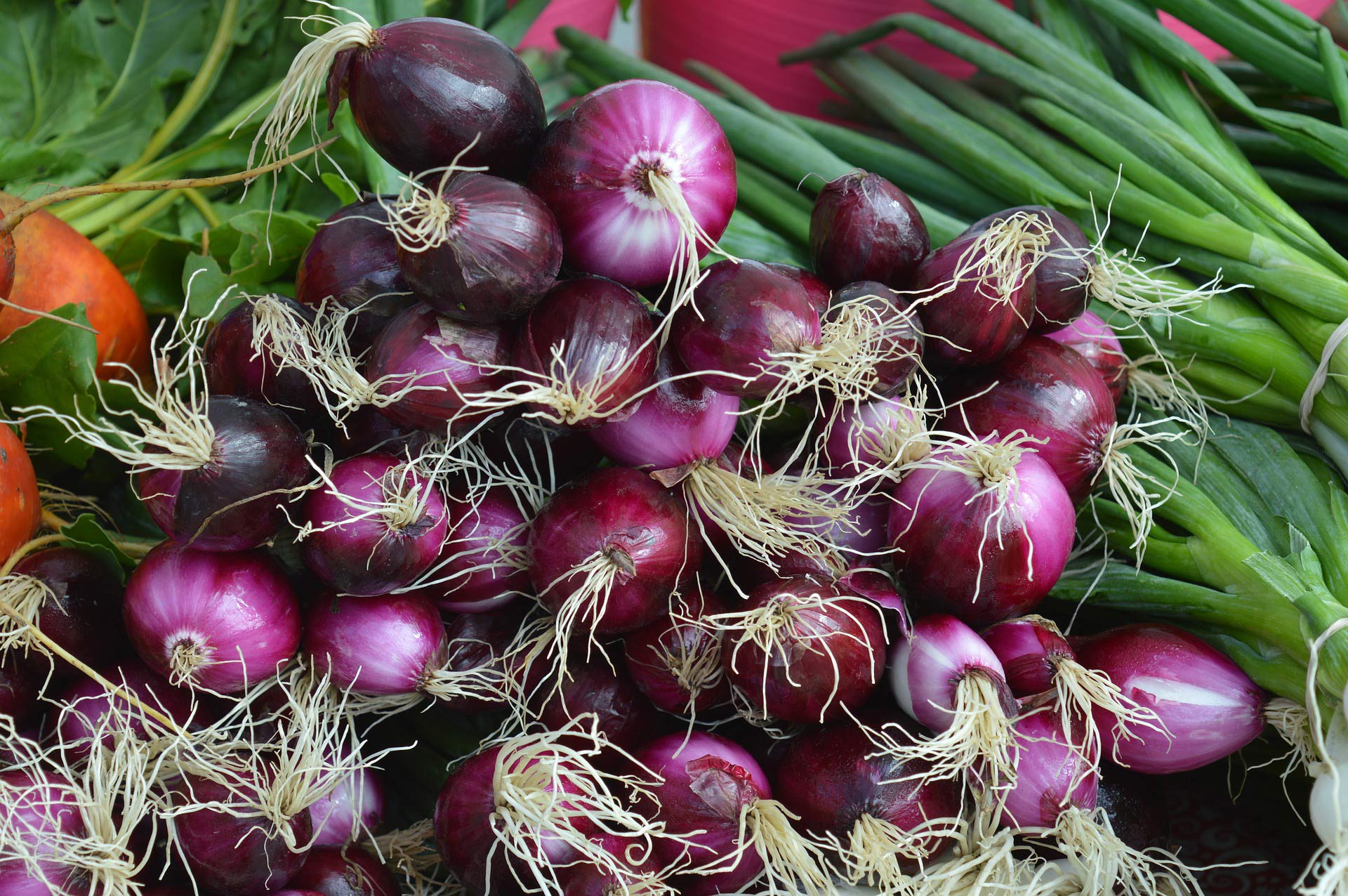
Onions are a key part of most Kenyan meals, whether fried, stewed or used raw in salads. With nearly every household using them daily, onion farming in Kenya has become one of the most reliable agribusiness ventures.
It offers quick returns, a ready market, and the flexibility to grow in various regions.
From the highlands of Kieni to the plains of Emali, more farmers are embracing onion farming due to its profitability and increasing demand. This guide walks you through each step to help you succeed.
 Onion farming in Kenya is a reliable agribusiness venture for farmers who follow proper steps from planting to marketing. With the right variety, good soil, timely planting, and proper pest control, you can enjoy high yields and great profits. [Photo: Courtesy]
Onion farming in Kenya is a reliable agribusiness venture for farmers who follow proper steps from planting to marketing. With the right variety, good soil, timely planting, and proper pest control, you can enjoy high yields and great profits. [Photo: Courtesy]
Onion Farming In Kenya Requires Proper Planning
Farming onions successfully in Kenya needs a careful approach, from land preparation to harvesting. A good farmer plans well, chooses the right variety and follows the right steps to boost yields and profits.Choose the Right Onion Variety
In Kenya, farmers commonly grow two types of onions:- Bulb onions: These are the most popular and take about 3 to 4 months to mature. They are used in most cooked dishes.
- Spring onions: Also known as green onions, they mature in about 2 to 4 weeks and are often used raw or lightly cooked.
Understand the Best Ecological Conditions
Before you start, make sure your farm meets the following conditions:- Rainfall: Onions do well in areas with 500–700 mm of rainfall spread evenly.
- Temperature: Ideal temperature ranges between 15°C and 30°C.
- Altitude: Best grown between 500–2000 meters above sea level.
- Soil: Fertile, well-drained loamy soil rich in nitrogen with a pH of 6.0–7.0.
Prepare the Land Early
Proper land preparation increases your chances of good harvests.- Plough the land at least 2 to 3 weeks before planting.
- Mix in about 40 tons per hectare of well-rotted manure to enrich the soil and improve structure.
Choose Between Seeds and Transplants
You can either:- Sow directly: Dig planting holes about 2.5 cm deep and space them 10 cm apart.
- Transplant: First grow the seeds in a nursery. Transplant the seedlings after 6 to 8 weeks. Maintain a spacing of 10 cm by 8 cm for better bulb development.
Apply the Right Fertilisers
Onions are heavy feeders. Feed your crops well for healthy growth and bigger bulbs.- At planting, apply 200 kg per hectare of TSP or DAP.
- Three weeks after transplanting, apply 300 kg per hectare of CAN.
Manage Pests and Diseases Early
Common pests include:- Leaf miners
- Onion thrips
- Onion flies
- Downy mildew
- Purple blotch
- White bulb rot
- Fusarium basal rot
- Practice crop rotation.
- Maintain clean fields.
- Plant resistant varieties where possible.
- Use approved pesticides and fungicides only when necessary and under guidance.
Time Your Harvest for the Dry Season
Harvesting during the dry season ensures better quality and longer shelf life.- Bulb onions take about 3 to 4 months to mature. You will notice the tops start falling over and drying.
- Spring onions are ready in 2 to 4 weeks and should be harvested while still tender.
Profit from a Growing Onion Market
The demand for onions in Kenya is steady and often exceeds supply.- One acre can yield around 20 tons, depending on variety, climate and management.
- Prices vary between Kshs 40 to 60 per kg, with higher prices during off-seasons.
- Major markets include Gikomba, Muthurwa, Nakuru, Kisumu and even local supermarkets.