Steps on How to Start an Internet Service Provider Company in Kenya
Launching an internet service provider (ISP) company in Kenya is not as hard as most people imagine. The process requires a good amount of financial investment, clear planning, and an understanding of the target market. With the rising demand for fast and reliable internet across the country, venturing into the ISP bus
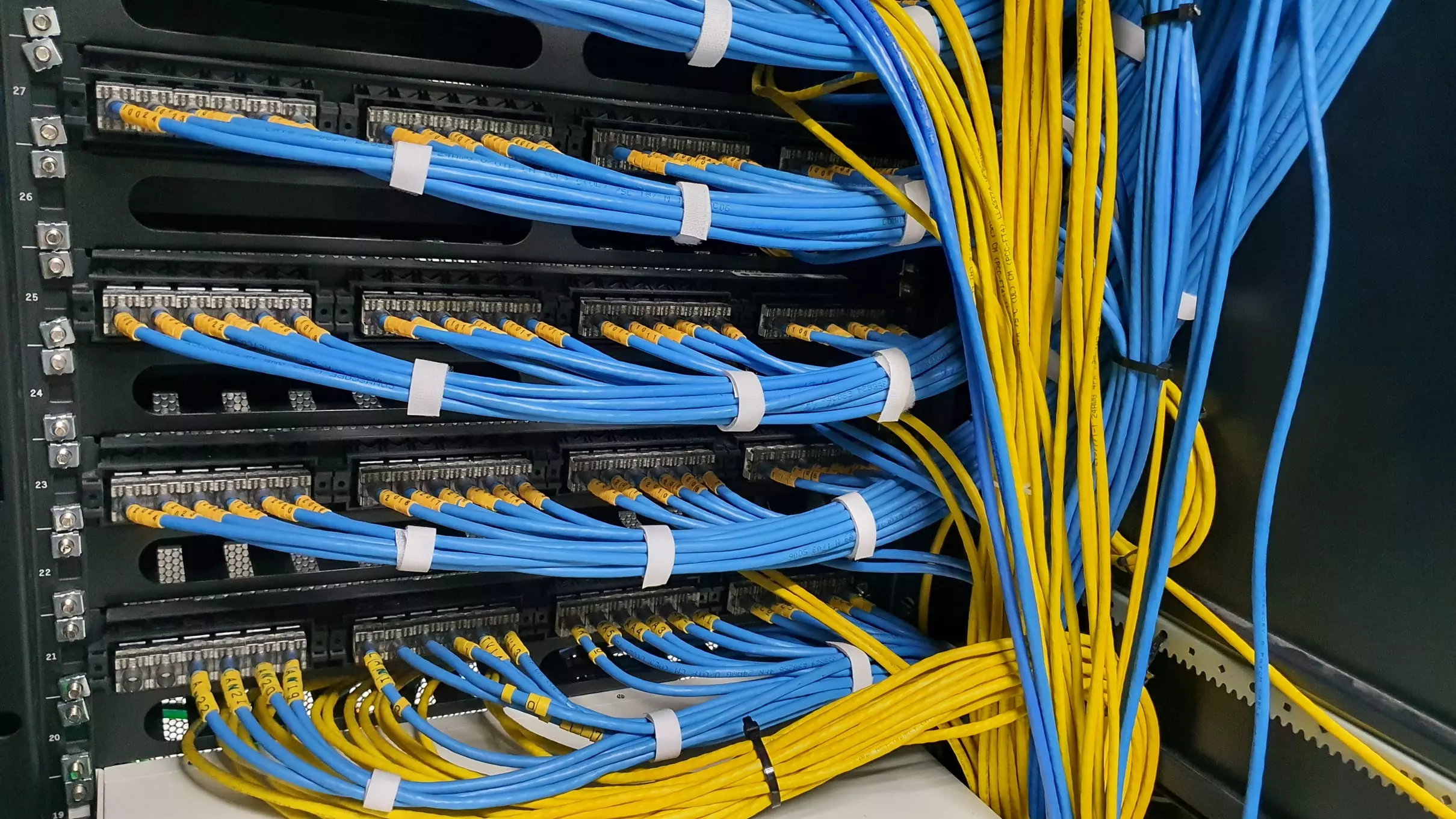
Launching an internet service provider (ISP) company in Kenya is not as hard as most people imagine. The process requires a good amount of financial investment, clear planning, and an understanding of the target market.
With the rising demand for fast and reliable internet across the country, venturing into the ISP business can be highly profitable. Whether you want to run a wholesale or retail operation, you can learn how to start an internet service provider company in Kenya and build a successful enterprise.
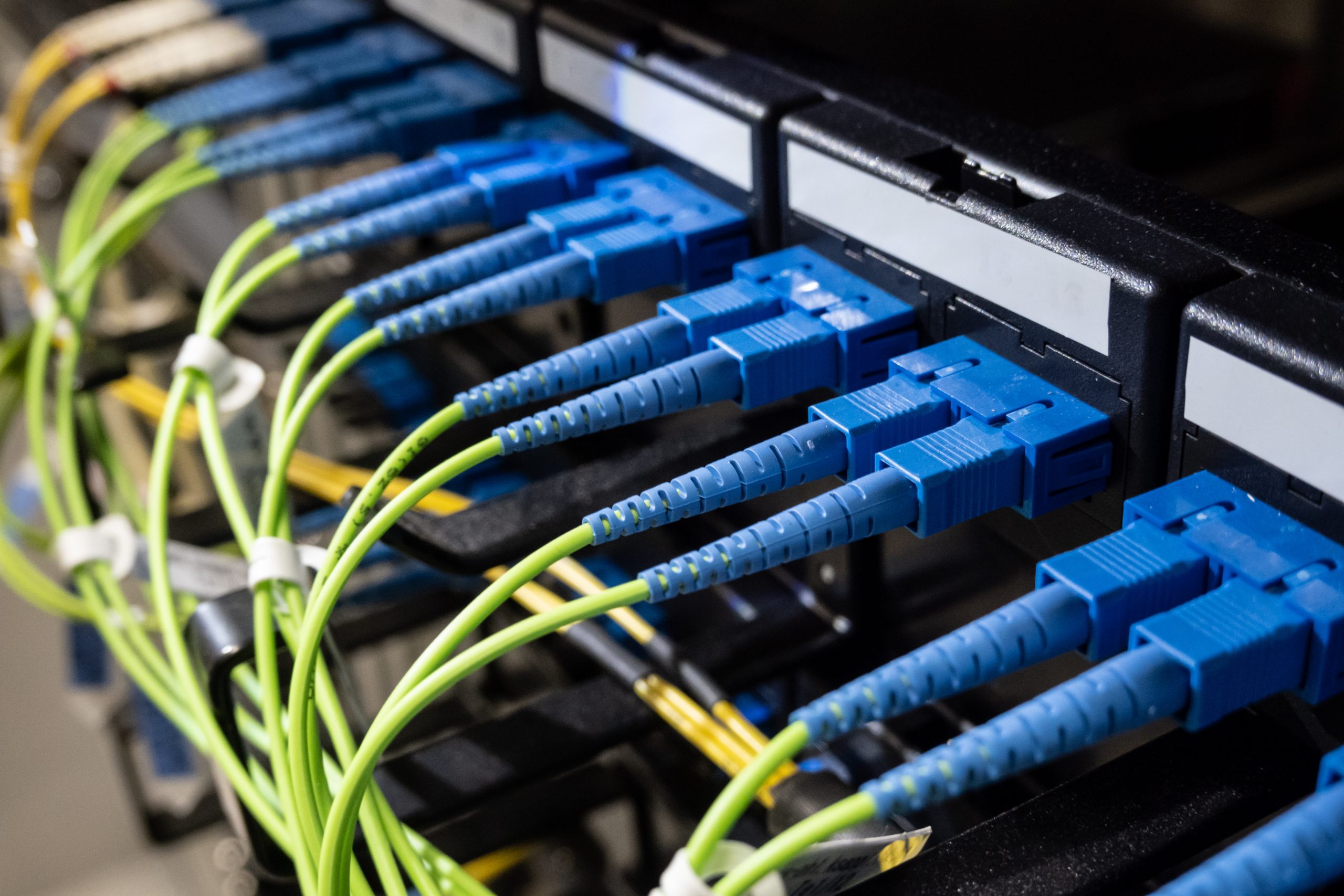 If you are serious about entering the ISP market, create a strong business plan, secure enough funding, and follow the licensing process. Choose the right location, invest in reliable fibre and hardware, and build a network that delivers consistent service. [Photo: Courtesy]
If you are serious about entering the ISP market, create a strong business plan, secure enough funding, and follow the licensing process. Choose the right location, invest in reliable fibre and hardware, and build a network that delivers consistent service. [Photo: Courtesy]
How to Start an Internet Service Provider Company in Kenya
Starting an ISP in Kenya involves more than just buying hardware. You need to meet legal requirements, understand your market, choose reliable fibre providers, and build the right infrastructure. Below is a detailed guide to help you start.Get the Right Licenses and Documentation
The first step in learning how to start an internet service provider company in Kenya is obtaining the necessary licenses. The Communications Authority of Kenya (CA) regulates ISPs, and you must apply for an Application Service Provider (ASP) license. The application process involves:- Filling out the ASP form.
- Paying the application fee.
- Submitting receipts and documents.
- Receiving an offer letter.
- Paying license fees.
- Obtaining your ISP license.
- Certificate of incorporation.
- Certificate of compliance.
- Tax compliance certificate.
- List of directors and shareholders.
- Identification documents for directors.
Find the Best Location for Your Services
Your ISP business will only thrive if you choose the right area. The location determines your potential customer base and the cost of building infrastructure. When assessing a neighborhood, consider these factors:- Relay location – You need a spot like a tall building, water tank, or radio tower for mounting wireless access points. Ensure there is a clear line of sight from your relay site to customer rooftops.
- Population density – Urban areas and towns are more profitable because they have more potential clients. Rural areas often have lower demand due to limited disposable income.
- Home styles – Apartment blocks and multi-dwelling units make installation easier and allow you to serve many clients from one relay point.
- Topography – Hills and tall buildings are excellent for signal transmission, but obstacles like forests and valleys make it difficult.
- Availability of fibre – Ensure the area has an upstream fibre connection from major providers like Safaricom, Jamii Telecommunications, or ZUKU.
- Competition – Research the ISPs already in the area and find ways to offer better services, such as higher speeds, stable connections, or affordable packages.
Choose a Reliable Fibre Provider
Another key step in how to start an internet service provider company in Kenya is selecting a wholesale fibre provider. Some of the big names include Safaricom, ZUKU, Jamii Telecommunications, and Access Kenya. Compare their packages, speeds, and rates. Select a provider that has fibre lines near your intended service area. The price you pay depends on the bandwidth and speed you choose. Building strong relationships with fibre suppliers ensures you deliver stable and affordable internet to your customers.
Buy the Right Hardware and Build Your Network
Hardware is the backbone of your ISP business. The equipment you need will depend on whether you are running a wireless service or fibre-based service. Typical components include:- Routers and switches.
- Servers and enterprise-level computers.
- Litebeams or satellite antennas.
- Cables and UPS units.
- Customer premise equipment such as Wi-Fi routers.
Start Operations and Market Your Services
After setting up your infrastructure, the final step is running your business. This includes:- Hiring technicians and customer support staff.
- Offering flexible internet packages for different customer needs.
- Marketing your services through social media, local advertising, and door-to-door campaigns.
- Providing strong after-sales support to retain clients.