Step-by-Step Guide on How to Apply for a Coastal Zone Management Permit in Kenya
Applying for a Coastal Zone Management Permit in Kenya can seem complex, but following the right procedure ensures smooth approval and compliance with environmental laws. The process is guided by the Integrated Coastal Zone Management (ICZM) Policy and overseen by the National Environment Management Authority (NEMA), a
Applying for a Coastal Zone Management Permit in Kenya can seem complex, but following the right procedure ensures smooth approval and compliance with environmental laws. The process is guided by the Integrated Coastal Zone Management (ICZM) Policy and overseen by the National Environment Management Authority (NEMA), alongside other sectoral agencies. This detailed guide breaks down every stage you need to follow, from conducting an Environmental Impact Assessment (EIA) to obtaining approvals from county governments and other authorities. By adhering to the Integrated Coastal Zone Management (ICZM) framework and working closely with NEMA, developers can contribute to sustainable use of Kenya’s coastal resources while protecting the fragile marine environment for future generations. [PHOTO//Courtesy]
Understanding How to Apply for a Coastal Zone Management Permit
To obtain a Coastal Zone Management Permit in Kenya, every developer must comply with national environmental standards and local regulations. The permit authorizes development within coastal areas while protecting sensitive ecosystems, including mangroves, coral reefs, and wetlands.
Below is a breakdown of the essential steps, agencies involved, and key documents required at each stage.
Each step is interconnected and must be completed in sequence to ensure full compliance with Kenya’s environmental and development laws.
Conducting Environmental Impact Assessment
The first requirement when applying for a Coastal Zone Management Permit is conducting an Environmental Impact Assessment (EIA).
An EIA evaluates the environmental, social, and economic effects of your proposed project. It helps NEMA determine whether the activity aligns with sustainable development principles.
You must hire a NEMA-licensed environmental expert to conduct the study. Once complete, the expert submits the EIA report to NEMA for review.
If NEMA is satisfied with the findings, you will receive an EIA license—an essential prerequisite for obtaining any other permit or approval related to coastal zone development.
Key Requirements for EIA:
Licensed EIA expert
Project proposal and maps
Evidence of stakeholder consultation
Mitigation plan for identified environmental risks
Without a valid EIA license, no other authority can approve your project.
Securing County Government and Sectoral Approvals
Once you have the EIA license, the next step is to obtain county government approvals. These approvals ensure your development complies with local spatial plans, land-use policies, and construction standards.
County Government Approvals Include:
Architectural and structural plan endorsement
Zoning and land-use compliance
Building permits from the Physical Planning Office
Beyond the county level, your project might also require additional permits depending on its nature. Kenya’s coastal region has multiple overlapping sectors, and compliance with all of them is critical.
Agency
Type of Permit
Relevant Law
Water Resources Authority (WRA)
Water abstraction permit
Water Act, 2016
State Department for Blue Economy & Fisheries
Marine resource use and aquaculture permits
Fisheries Management and Development Act, 2016
County Physical Planning Department
Zoning and land-use approval
Physical and Land Use Planning Act, 2019
Tourism Regulatory Authority (TRA)
Tourism establishment license
Tourism Act, 2011
National Museums of Kenya (NMK)
Heritage and archaeological site clearance
National Museums and Heritage Act, 2006
Kenya Forest Service (KFS)
Coastal forest and mangrove use permit
Forest Conservation and Management Act, 2016
Kenya Maritime Authority (KMA)
Maritime infrastructure safety clearance
Merchant Shipping Act, 2009
Each agency ensures that your project aligns with national sustainability goals, sectoral standards, and community interests.
Engaging Stakeholders and Submitting the Application
Stakeholder engagement is not just a formality—it’s a legal requirement under Kenya’s Integrated Coastal Zone Management (ICZM) Policy.
You must identify and involve affected communities, local authorities, and environmental groups throughout your project. This involves conducting public forums, community barazas, and meetings with local leaders.
Document all feedback and integrate it into your Environmental Impact Assessment (EIA) report. NEMA requires evidence of stakeholder participation before granting approval. Lack of engagement may delay or invalidate your permit.
Once you have completed all consultations and secured the required approvals, compile your final application package.
Your submission to NEMA should include:
Approved EIA license
County government development and building permits
Submit your complete application through NEMA’s Environmental Licensing Portal or directly at the coastal zone authority office. NEMA reviews all documents for compliance with environmental laws and ICZM principles.
Processing Timeline:
NEMA’s review period varies depending on project complexity, but most applications take between 30 and 90 days. You may be required to provide additional information or attend site inspections during the review.
Wrapping Up
Applying for a Coastal Zone Management Permit in Kenya ensures that coastal development projects are environmentally responsible, legally compliant, and community-friendly. Following the proper procedure—beginning with an Environmental Impact Assessment, securing county and sectoral approvals, engaging stakeholders, and submitting a complete application—guarantees faster approval and smoother implementation.
By adhering to the Integrated Coastal Zone Management (ICZM) framework and working closely with NEMA, developers can contribute to sustainable use of Kenya’s coastal resources while protecting the fragile marine environment for future generations.
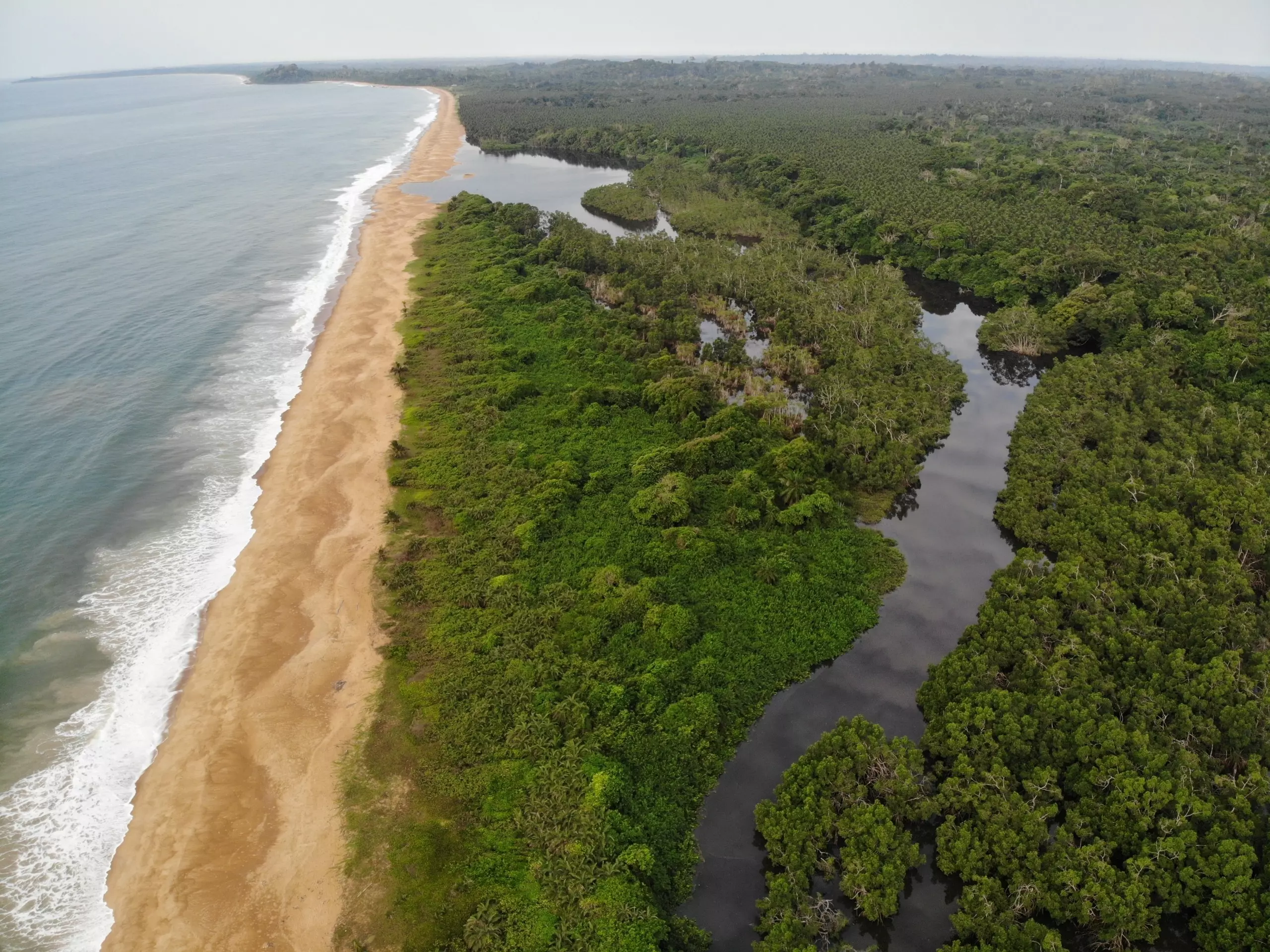
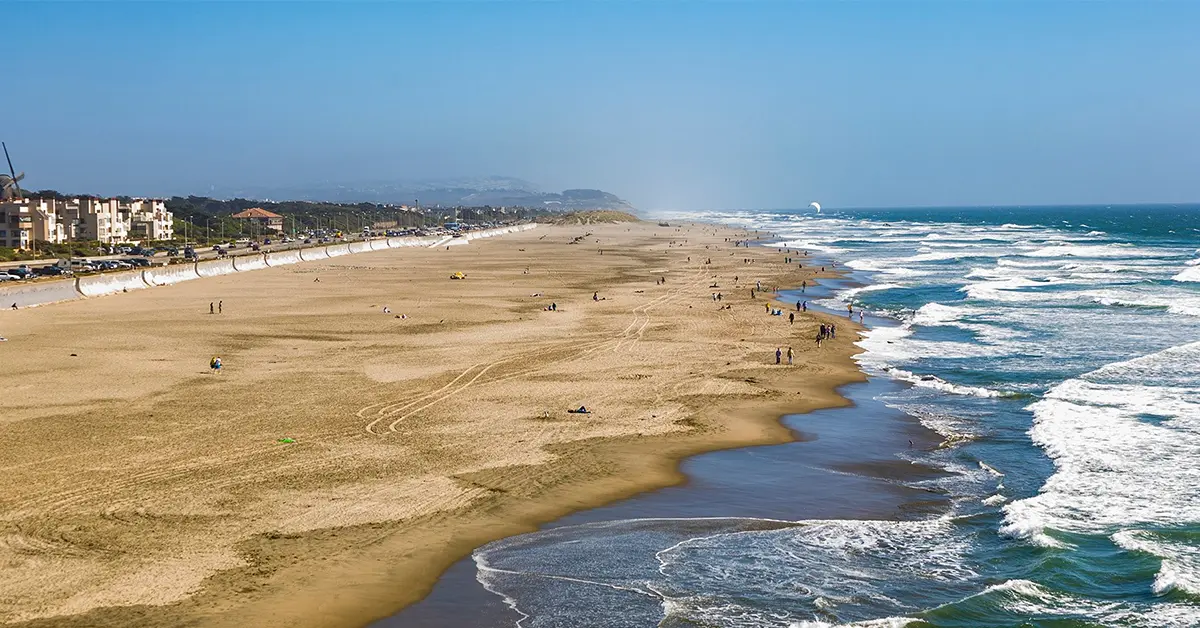 By adhering to the Integrated Coastal Zone Management (ICZM) framework and working closely with NEMA, developers can contribute to sustainable use of Kenya’s coastal resources while protecting the fragile marine environment for future generations. [PHOTO//Courtesy]