Simple Steps to Cabbage Farming In Kenya for High Yields
Cabbage is one of the most profitable vegetables to grow in Kenya. It is loved by many households and is always in demand in open-air markets, groceries, and restaurants. Whether boiled, fried, or added to stews, cabbage is a reliable source of nutrition. Cabbage farming in Kenya has gained popularity in both small-sca
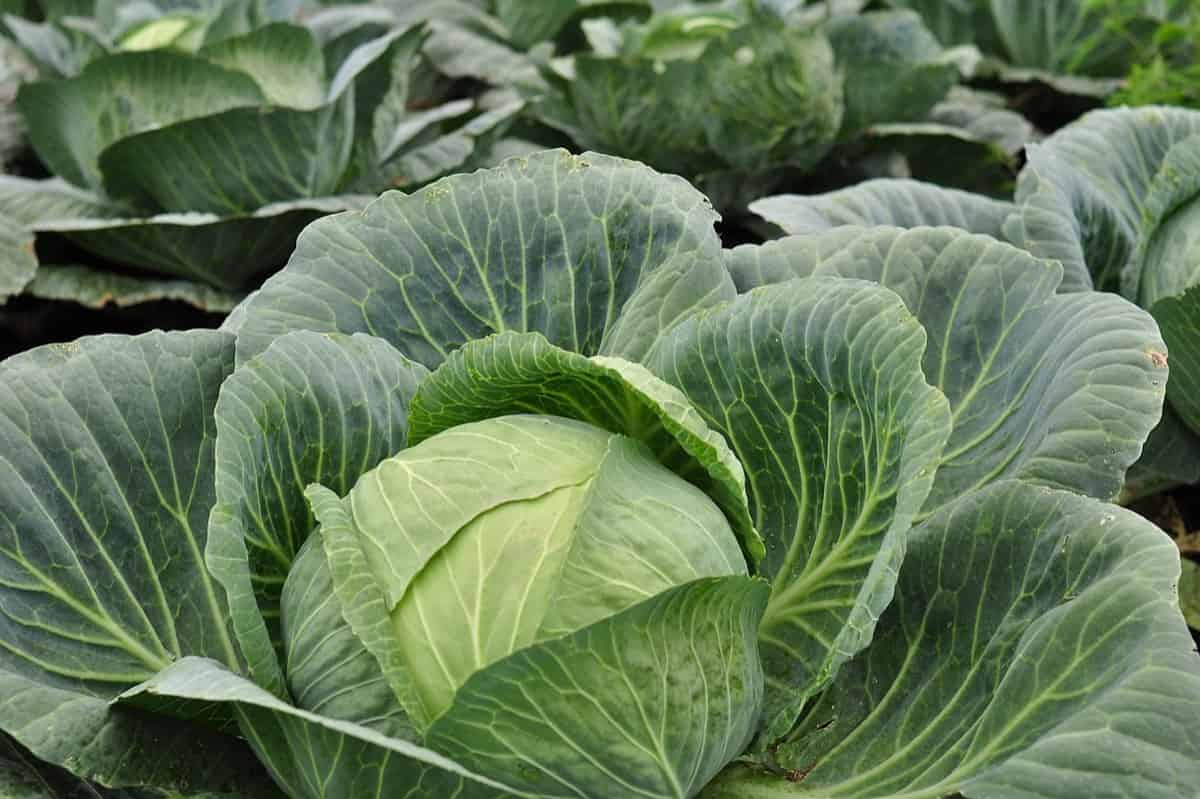
Cabbage is one of the most profitable vegetables to grow in Kenya. It is loved by many households and is always in demand in open-air markets, groceries, and restaurants. Whether boiled, fried, or added to stews, cabbage is a reliable source of nutrition.
Cabbage farming in Kenya has gained popularity in both small-scale and commercial farming. With proper care and planning, farmers can earn good money and attract repeat buyers.
This guide will help you understand how to grow cabbage successfully from start to harvest.
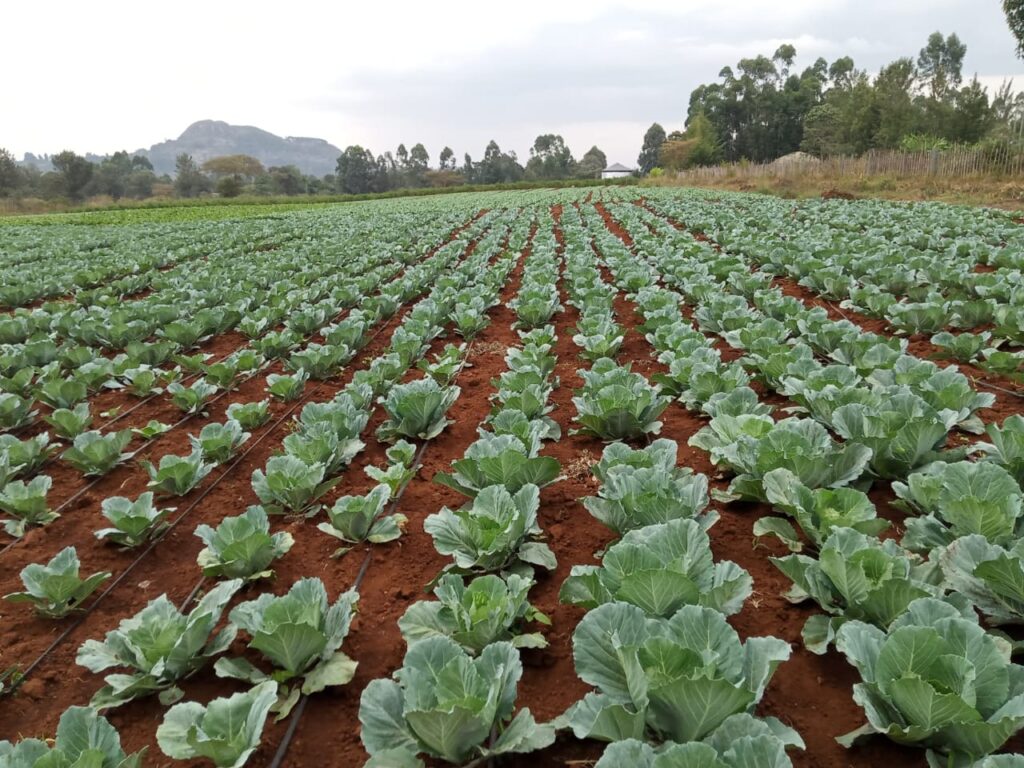 Cabbage farming in Kenya offers great returns with proper planning, care and timely harvesting. With a ready market and high yields per acre, cabbage remains a top vegetable choice for Kenyan farmers looking to boost their income. [Photo: Courtesy]
Cabbage farming in Kenya offers great returns with proper planning, care and timely harvesting. With a ready market and high yields per acre, cabbage remains a top vegetable choice for Kenyan farmers looking to boost their income. [Photo: Courtesy]
Cabbage Farming In Kenya Requires Good Planning and Care
Cabbage farming in Kenya can be rewarding if you follow the right steps. From choosing the right land to pest control, every step matters for a successful harvest.Prepare Land with Ideal Ecological Conditions
Before planting, check if your land meets these conditions:- Soil should be well-drained and rich in organic matter.
- Maintain a pH level between 6.0 and 6.5.
- Rainfall should be about 500mm per year and evenly distributed.
- Best grown at altitudes of 700 to 2200 metres above sea level.
- Temperatures between 16°C and 20°C are ideal for cabbage growth.
Propagate and Plant Cabbage the Right Way
Cabbages are grown from seeds, but the best results come from transplanting.- Start seeds in a nursery and wait 4 to 6 weeks until seedlings are 10 to 12 cm high.
- Transplant with care to avoid damaging roots.
- Large heads: 60cm by 60cm
- Medium heads: 60cm by 45cm
- Small heads: 40cm by 30cm
Control Weeds Early
Weeds compete with cabbage for water and nutrients. Remove weeds early and often to ensure your cabbages grow without stress. You can weed manually or use safe herbicides where necessary.Watch Out for Pests and Diseases
Cabbage is vulnerable to pests and diseases. Common pests include:- Aphids
- Diamond back moth
- Sawfly
- Black rot
- Bacterial soft rot
- Fungal spots
- Use certified seeds
- Practice crop rotation
- Apply safe pesticides when needed
- Keep the field clean and dry
Harvest Cabbage at the Right Time
Cabbages are ready to harvest after about three months.- Harvest when heads are firm and fully formed.
- Pick early in the cool morning to avoid cracking.
Explore the Ready Cabbage Market in Kenya
The cabbage market in Kenya is strong and steady.- Cabbages are sold in supermarkets, groceries, and open-air markets.
- Prices vary with size, season and supply.