Story navigation Start Story start 1 update
Resolved1 update Updated May 4

[FUTURE TECHNOLOGY] A new type of airplane wing that adapts mid-flight could change air travel

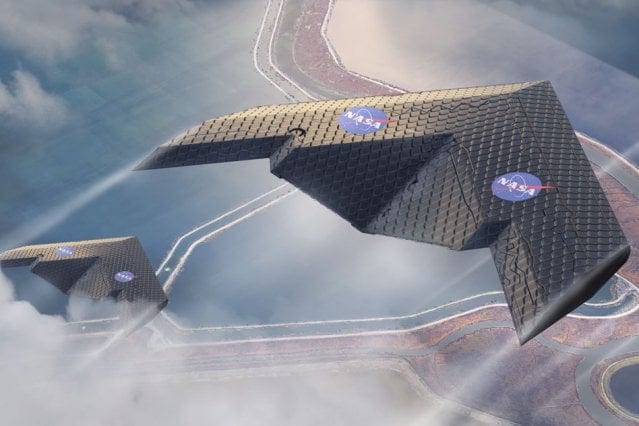
Assembling the wing from thousands of tiny identical pieces could make aircraft lighter and more energy efficient. How it works: The wing is made from an open, lightweight lattice framework that is covered with a thin layer of polymer material. It looks like thousands of matchstick-type struts welded together in small

Sign in to follow Follow this story to get bell alerts when new updates publish.
Share
Latest updates
Alerts and app Choose how this story reaches you.

Follow this story

Sign in once to follow [FUTURE TECHNOLOGY] A new type of airplane wing that adapts mid-flight could change air travel, pin Nyakundi, and come back to the same story as it develops.

Sign in
  1. 1

    Follow thread

    Create or open your account, then follow this thread from the story header.

  2. 2

    Pick alerts

    Choose every update, major updates, daily recap, documents only, or no notifications.

  3. 3

    Pin app

    Install Nyakundi so push alerts reopen this exact story.

  4. 4

    Share link

    Use the parent story link when you want the whole evolution to travel together.

Pin Nyakundi

Install the site as an app so followed-story alerts open straight back into the file.

Where we are so far

If you are joining us

Key points

Live updates

Latest developments

Newest first. Times are shown on every update; older context continues below.

1 update in this file Story overview
Photo
Update link
Nyakundi Report

[FUTURE TECHNOLOGY] A new type of airplane wing that adapts mid-flight could change air travel

Wing NASA Future Tech

Media in this update

1 item
Wing NASA Future Tech

Wing NASA Future Tech

Photo

Assembling the wing from thousands of tiny identical pieces could make aircraft lighter and more energy efficient. How it works: The wing is made from an open, lightweight lattice framework that is covered with a thin layer of polymer material. It looks like thousands of matchstick-type struts welded together in small triangle shapes. This design lets it adapt and deform in many different ways so that it is the optimal shape for the different stages of flight—takeoff, landing, cruising, and so on. It is also far lighter than conventional wings, and would therefore use much less energy. The manufacturing process incorporates 3D printing and robotic assembly. The promise: A wing made this way could allow future aircraft wing designs to become far more flexible, according to the scientists at NASA and MIT who worked together on the research. The design was tested in a NASA wind tunnel. Other applications: As well as aircraft, this sort of design could be used to improve wind turbines, spacecraft, and even bridges one day, the team says.

SOURCE: technologyreview [Dot] com

Source: nyakundireportblog Linked source

Visual file

Latest media in this story

Photos and videos from the update stream, linked back to the exact moment they entered the file.