Profitable Guide to Rabbit Farming In Kenya for Beginners and Small Farmers
Rabbit farming in Kenya is quickly gaining popularity among both small-scale and large-scale farmers. These small animals are easy to raise, require minimal space, and have a quick return on investment. With proper care, a farmer can earn from meat, urine, and even breeding. The demand for rabbit meat is slowly growing
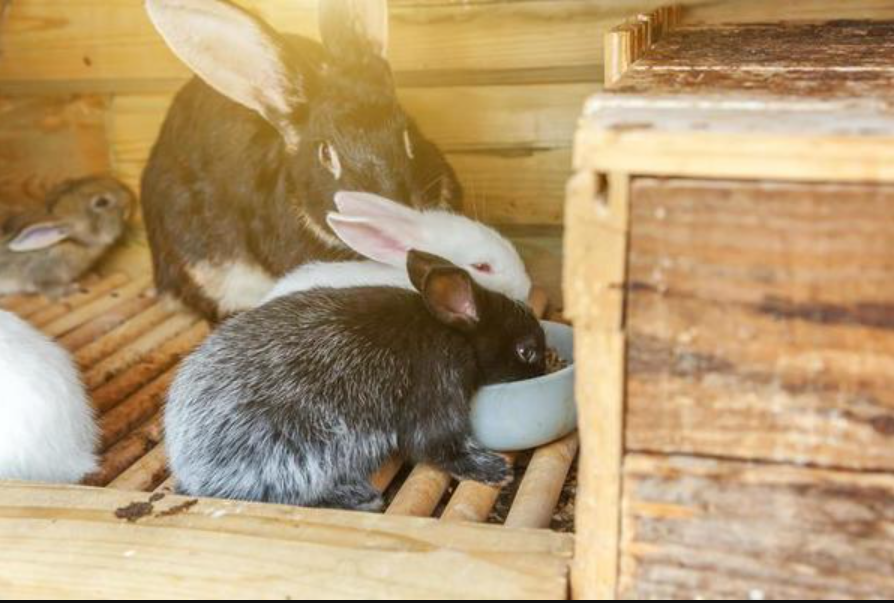
Rabbit farming in Kenya is quickly gaining popularity among both small-scale and large-scale farmers.
These small animals are easy to raise, require minimal space, and have a quick return on investment. With proper care, a farmer can earn from meat, urine, and even breeding.
The demand for rabbit meat is slowly growing, while rabbit urine is already being used to make organic foliar fertilizers and natural insecticides.
If you are thinking of starting a farming venture that is low-risk but highly rewarding, rabbit farming could be the best option.
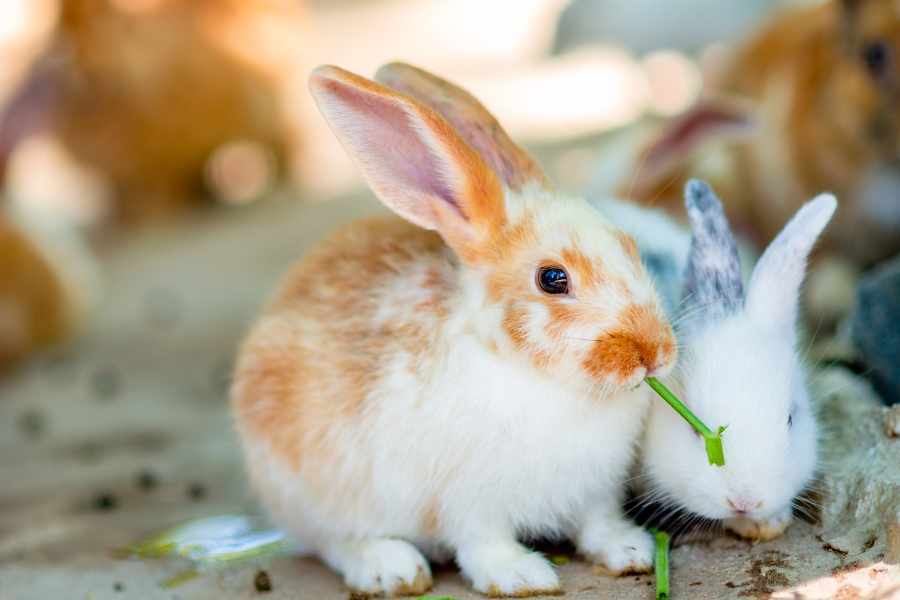 Rabbit farming in Kenya is a promising agribusiness for anyone looking to make money from a small piece of land. It requires low capital, minimal labour and offers multiple income streams from meat, breeding and urine.[Photo: Courtesy]
Rabbit farming in Kenya is a promising agribusiness for anyone looking to make money from a small piece of land. It requires low capital, minimal labour and offers multiple income streams from meat, breeding and urine.[Photo: Courtesy]
How to Succeed in Rabbit Farming In Kenya
Starting a rabbit farm in Kenya is easy and affordable. You need to choose the right breed, build proper housing, feed them well, and maintain hygiene to avoid diseases.Choose the Right Rabbit Breeds
Kenyan farmers rear different breeds of rabbits depending on their farming goals.- California White—Known for its fast growth and high meat production.
- Flemish Giant—A large breed that is good for meat.
- New Zealand White—Popular for both breeding and meat.
Understand Rabbit Breeding
Rabbits are famous for their ability to reproduce quickly. This makes them ideal for commercial farming.- Rabbits start breeding at 4 to 5 months.
- A female rabbit (doe) carries pregnancy for 31 days.
- A healthy doe can give birth to around 50 young ones (kits) in one year.
Build Proper Rabbit Housing
Rabbits can live in cages or wooden hutches. Proper housing is important to keep the animals healthy and productive. Key features of good housing:- Raised from the ground to keep off moisture and pests
- Well-ventilated to allow fresh air
- Spacious to avoid overcrowding
- Good lighting for easy inspection
Feed the Rabbits Properly
Rabbits eat a variety of feeds. They are mainly herbivores and love fresh greens. Feeding guidelines:- Feed them soft grass, cabbage, sukuma wiki and other vegetables
- Provide clean water at all times
- Use pre-balanced pellet rations to meet all nutritional needs
- Feed them twice a day, preferably in the evening and morning
Prevent and Manage Rabbit Diseases
Rabbits can suffer from diseases such as coccidiosis, pneumonia and skin infections. Sick rabbits grow slowly and can affect the rest of the stock. Basic disease control tips:- Maintain high levels of hygiene in the housing area
- Isolate any sick rabbit to avoid spreading the disease
- Disinfect feeding equipment and cages regularly
- Seek veterinary help when necessary
Explore the Market for Rabbits in Kenya
The market for rabbit products in Kenya is growing, but still largely informal. However, many farmers make good income from both meat and rabbit urine. Where to sell:- Directly to consumers who love rabbit meat
- Local hotels and restaurants
- Organic fertiliser companies that buy rabbit urine
- Rabbit Consortium Ltd.
- Alcare Group
- Rabbit Urine Extra
- Rabbit Breeders Association of Kenya