
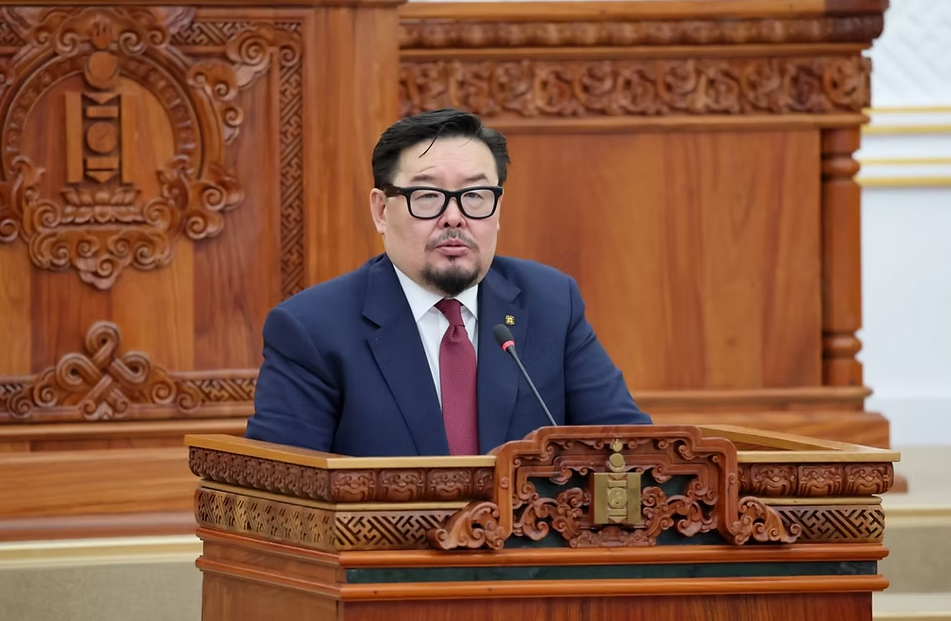








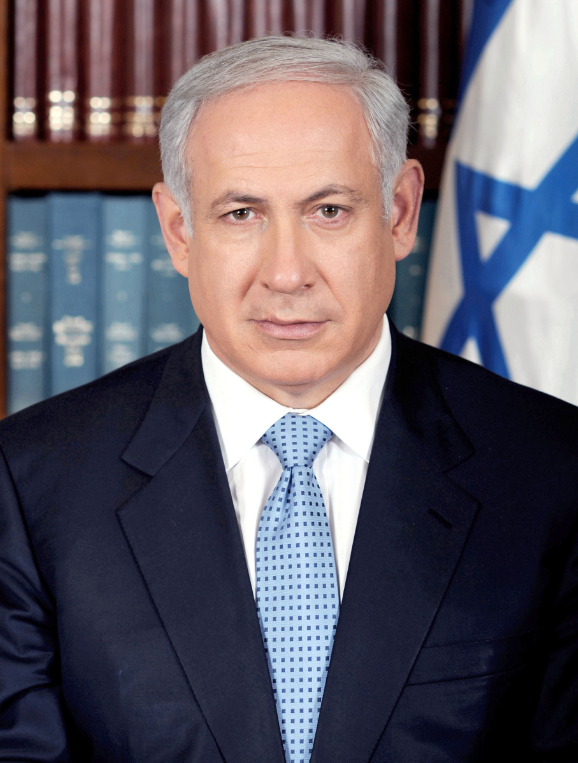
Democratic Party leader Justin Muturi has raised explosive claims about an alleged plot to take over Nairobi Hospital, accusing senior government officials of using intimidation and state agencies to influence the management of the country’s most prominent private medical facility.
Muturi alleges that powerful offices within the government have mounted a sustained campaign to pressure the hospital’s leadership, restructure its board, and force out directors who resist the alleged plan.
The accusations place one of Kenya’s most respected private institutions at the centre of a high-stakes power struggle that could test the limits of state influence over private organizations.
Plot To Take Over Nairobi Hospital Sparks Governance Concerns
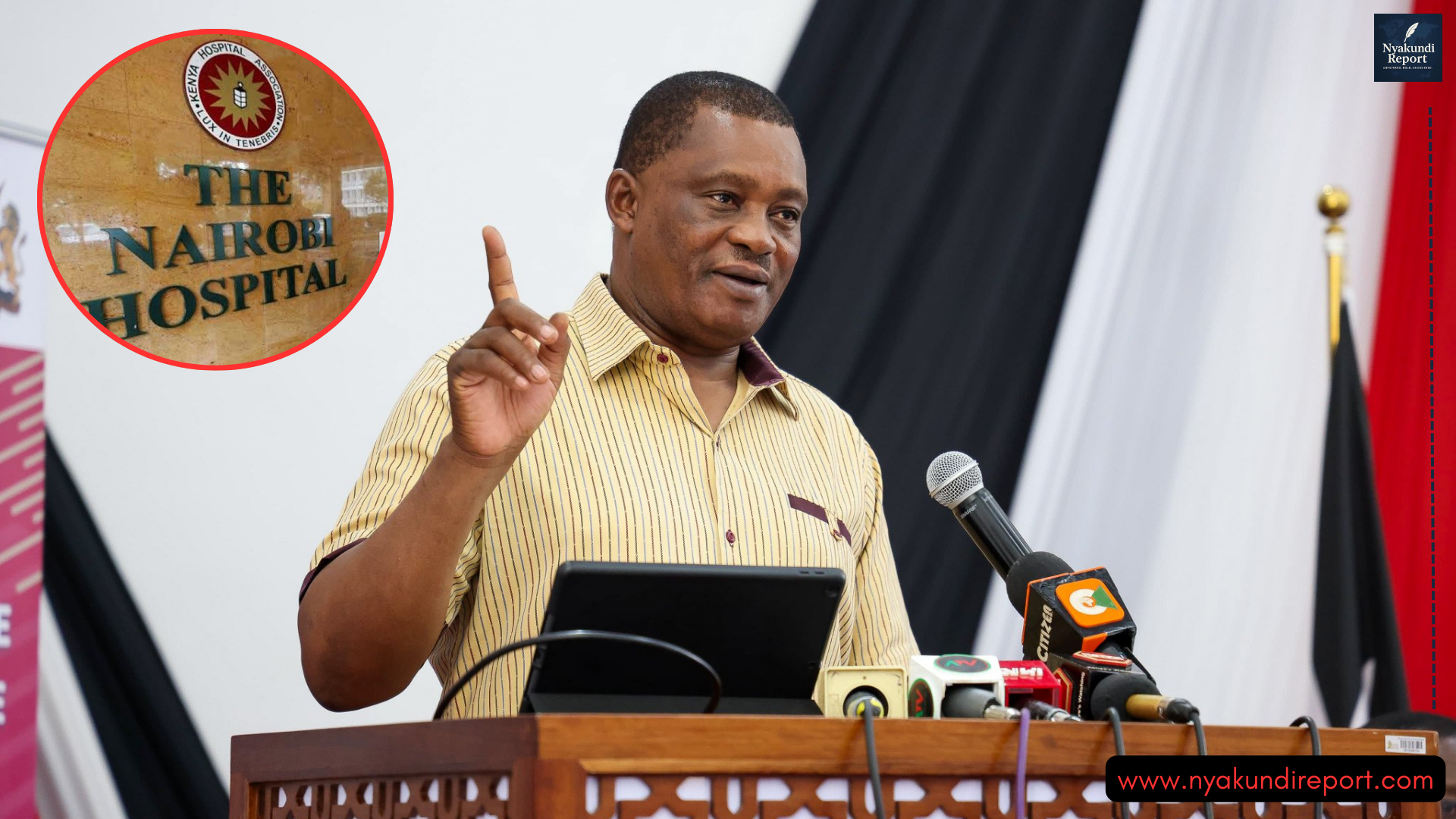
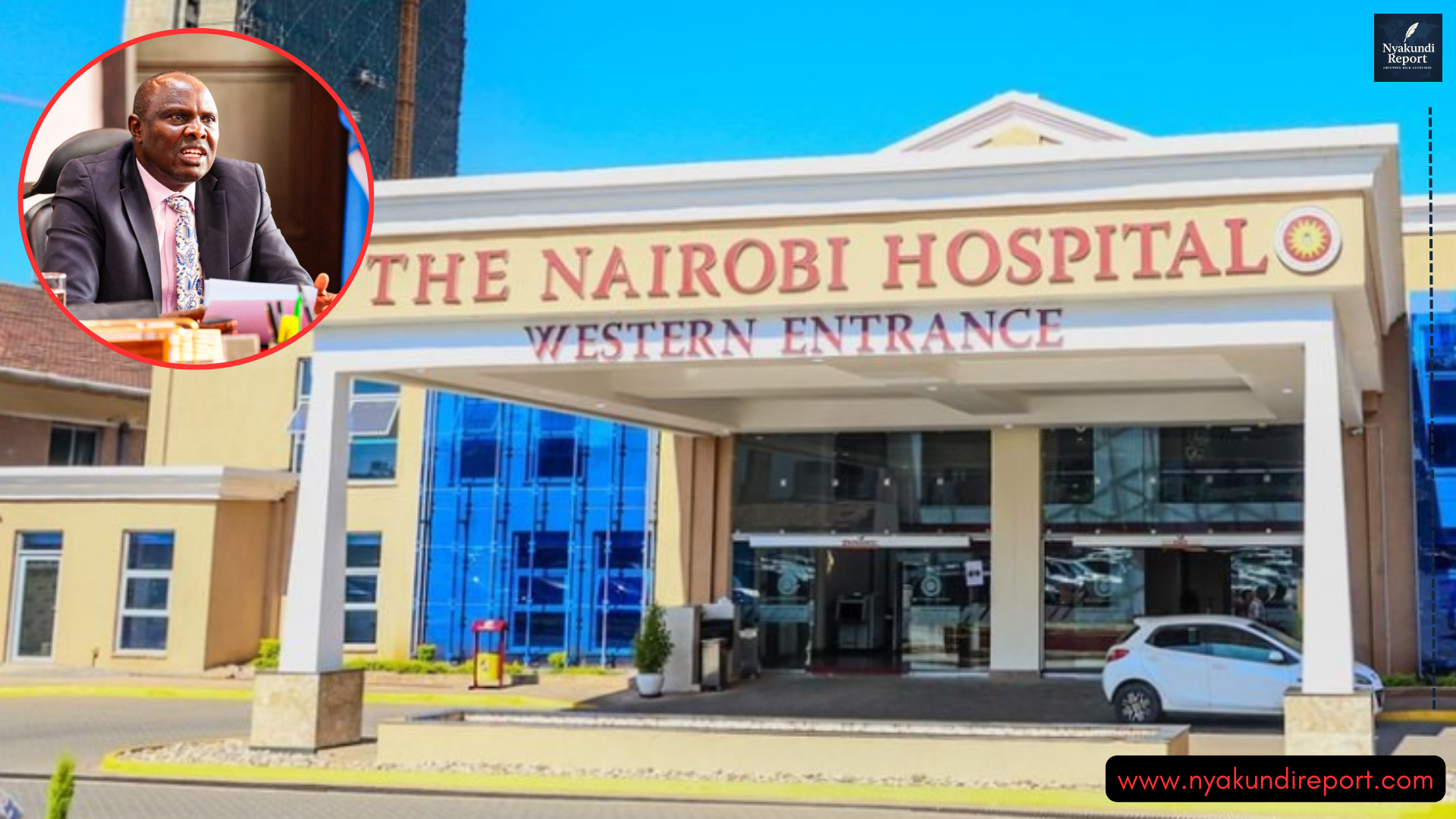
The controversy revolves around The Nairobi Hospital, a major medical institution that has served patients for about seven decades. The hospital is owned by the Kenya Hospital Association and operates as a company limited by guarantee under the Companies Act.
According to Muturi, the alleged plot to take over Nairobi Hospital did not begin recently. He claims the effort has unfolded gradually over the past year through coordinated pressure from government officials and investigative agencies.
Muturi directly named Felix Koskei, alleging that the powerful official has exerted continuous pressure on the hospital’s leadership. In Muturi’s view, the pressure aimed to reshape the hospital’s governance and influence its strategic direction.
He argues that the campaign intensified in March 2025 when the hospital’s board underwent a controversial restructuring. According to the claims, seven new members joined the board while seven others exited, a move Muturi says followed sustained pressure from state actors.
Muturi also alleged that the investigations into the hospital were initiated under the direction of Dorcas Oduor. He claims the directive triggered a sweeping probe into the institution’s financial and operational affairs.
Multi Agency Probe Raises Questions
Muturi says the investigation assembled a powerful multi-agency team that included officers from the Directorate of Criminal Investigations, the Kenya Revenue Authority, the Financial Reporting Centre, the Office of the Registrar of Companies, and the Asset Recovery Agency.
According to Muturi, several directors of the hospital were summoned to the headquarters of the Directorate of Criminal Investigations for questioning. Others reportedly faced raids at their homes.
He claims investigators used the operations to pressure directors into resigning from the board. However, some of the directors responded by seeking legal protection through the courts.
Muturi said the affected officials successfully obtained anticipatory bail orders that remain active. The legal orders protect them from arrest while investigations continue.
At the same time, an Annual General Meeting of the Kenya Hospital Association reportedly stalled after a court intervened to halt the gathering. The court order froze the meeting pending the resolution of a legal dispute surrounding the hospital’s governance.
Alleged Attempts To Reshape Hospital Board
Despite the legal battles, the hospital’s board reportedly moved to fill leadership gaps by co-opting several individuals to serve temporarily.
Among those cited are Moses Ondaba, Sylvester Kasuku, Philip Kisia, Chris Obanda, and Lekek Chebii.
Muturi argues that these changes signal deeper attempts to influence the leadership of the institution.
He claims the alleged effort reached a critical stage on March 7, 2026 when the hospital’s board chairman, Barkley Mogere Onyambu, received a call from two officials from the Office of the Head of Public Service.
Muturi identified the officials as Linda Musumba and Collins Kiprono.
According to Muturi, the officials instructed the chairman to facilitate the resignation of three board members to create vacancies for individuals allegedly proposed by the State.
Allegations Of Intimidation And Legal Pressure
The individuals allegedly proposed for the board positions include Mohammed Warsame, Narendra Raval, and Jackson Chebet Kiplimo.
Muturi claims the board chairman was later summoned to Harambee House and warned that failure to create the vacancies could trigger arrests of hospital directors.
He alleges that the officials threatened to charge directors with money laundering offences if they refused to comply with the demands.
The claims do not end there. Muturi further alleged that the Asset Recovery Agency had written to the National Transport and Safety Authority requesting restrictions on vehicles owned by certain hospital directors and managers.
Muturi criticized the move and questioned its legal basis. He argued that owning vehicles, even through bank loans, should not automatically raise suspicions of criminal activity.
The Democratic Party leader said the hospital’s directors remain determined to defend the institution and protect the legacy of its founders.
Muturi warned that the situation could set a dangerous precedent if the government interferes with private institutions using state machinery.
He said the alleged plot to take over Nairobi Hospital should concern the public because it touches on broader issues of governance, institutional independence, and respect for the rule of law.
“No one is safe if the government is now keen on taking over private institutions illegally and unprocedurally,” Muturi said.
As the allegations continue to stir debate, government officials had not issued an immediate response at the time the claims became public. The unfolding controversy now places both the government and the hospital’s leadership under intense scrutiny as the legal and political battle develops.