Njahi Farming In Kenya – A Profitable Legume for Small-Scale Farmers
Njahi, also known as black beans or dolichos lablab, is becoming a popular crop among Kenyan farmers. It is mainly grown for its nutritious edible beans, but the leaves are also used to feed livestock. Grown widely in Central Kenya and parts of Western and Eastern regions, Njahi farming in Kenya is gaining ground due t
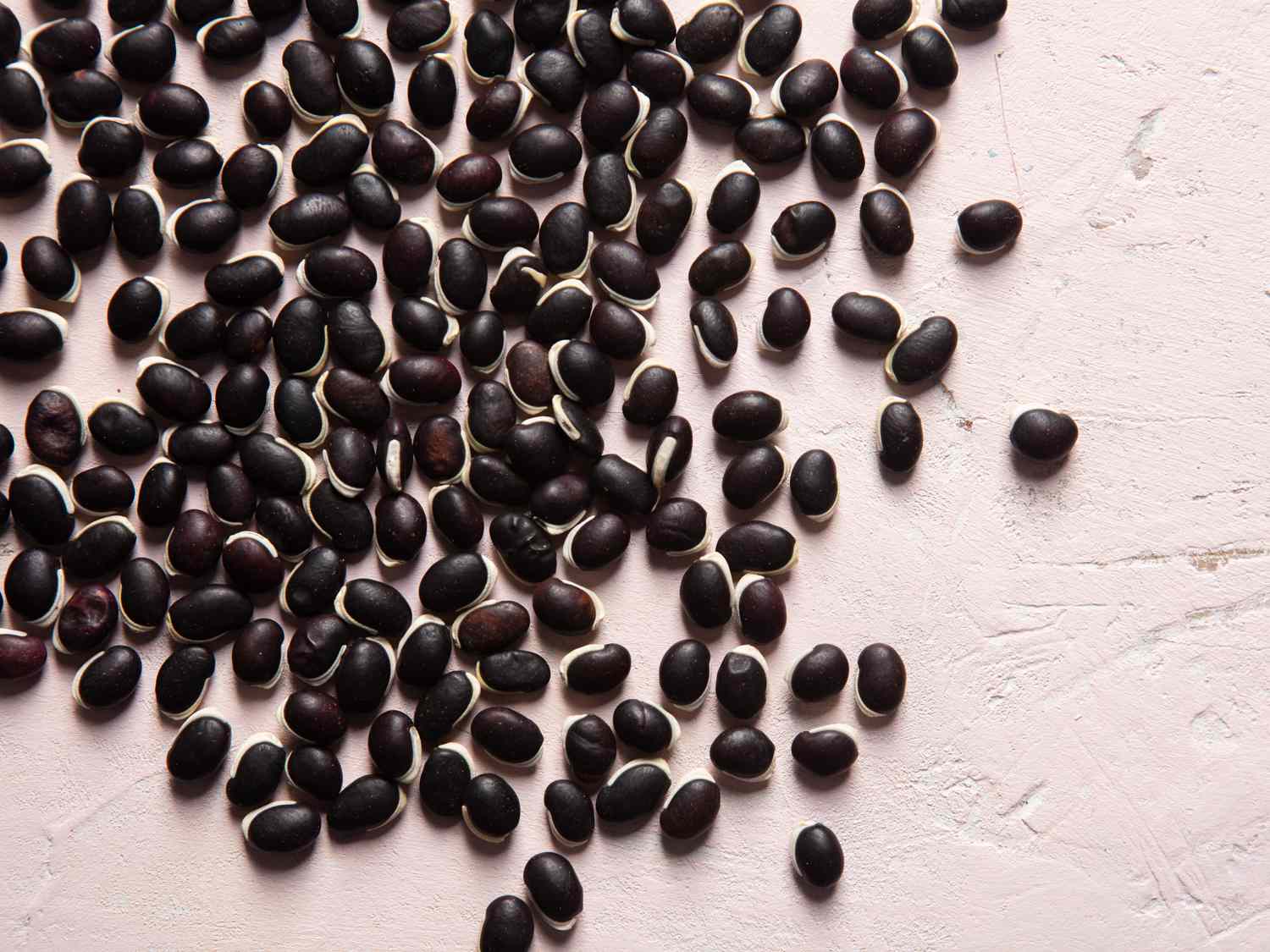
Njahi, also known as black beans or dolichos lablab, is becoming a popular crop among Kenyan farmers. It is mainly grown for its nutritious edible beans, but the leaves are also used to feed livestock.
Grown widely in Central Kenya and parts of Western and Eastern regions, Njahi farming in Kenya is gaining ground due to its high market value, resilience, and multiple uses.
If you are looking to boost your income while promoting food security, Njahi farming is a great choice.
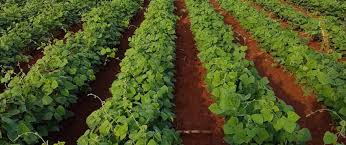 Njahi farming in Kenya is a reliable and profitable venture for farmers looking to increase their income and contribute to food security. It is easy to grow, improves soil health, and fetches higher prices in the market. [Photo: Courtesy]
Why Njahi Farming In Kenya Is A Great Option
Njahi is a legume crop that does well in moderate climates and poor soils. It improves soil fertility through nitrogen fixation and requires minimal inputs once established. With its growing demand in both local and international markets, farmers who invest in Njahi enjoy good returns.
This crop is especially useful during dry spells when other legumes fail. It is also highly nutritious, which makes it attractive to health-conscious consumers. Whether you are farming for home consumption or business, Njahi offers both economic and nutritional benefits.
Best Njahi Varieties For Kenyan Farmers
Several Njahi varieties have been developed to suit different Kenyan regions. Here are the most common ones:
-
KAT DL 1 – High yielding and disease resistant
-
KAT DL 2 – Grows well in areas with medium rainfall
-
KAT DL 3 – Matures faster, suitable for shorter seasons
-
Rongai – A traditional variety known for its strong taste
-
DL 1002 – Performs well in semi-arid zones
-
DL 1009 – High protein content, ideal for both food and feed
Choose a variety based on your region’s rainfall, soil conditions, and market preferences.
Best Climate And Soil Conditions For Njahi
Njahi is best suited for regions with the following conditions:
-
Soil – Well-drained sandy-loamy soils
-
Soil pH – Between 5.5 and 6.5
-
Altitude – Between 500 to 1800 metres above sea level
-
Temperature – Ideal range is 18°C to 28°C
-
Rainfall – Between 400mm and 750mm annually
Good drainage is essential. Avoid waterlogged soils, which can lead to root rot and other diseases.
How To Plant Njahi For Best Yields
Njahi can either be planted directly or raised in a nursery then transplanted. Most Kenyan farmers prefer direct planting, which is easier and less costly.
Here’s how to go about it:
-
Timing – Plant at the onset of rains
-
Spacing – 30cm between plants and 45cm between rows
-
Manure – Apply organic manure generously during planting
-
Fertiliser – Use about 30kg of DAP per acre to boost early growth
Regular weeding is important during the early stages to reduce competition for water and nutrients. You can mulch to conserve moisture and suppress weeds.
Pests And Diseases To Watch Out For
Njahi is fairly hardy, but it is still prone to pests and diseases. The most common ones include:
-
Stem rot
-
Anthracnose
-
Powdery mildew
-
Bacterial leaf spot
-
Nematodes – Including meloidogyne incognita and meloidogyne hapla
To manage these:
-
Practice crop rotation
-
Maintain proper field hygiene
-
Use certified seeds
-
Apply systemic insecticides as needed
Monitoring your crop regularly helps catch problems early and protect your harvest.
How To Harvest Njahi And Handle It Well
Njahi takes 3 to 5 months to mature, depending on the variety and weather conditions.
Follow these tips for harvesting:
-
Wait until the pods are fully dry
-
Harvest in the morning or evening to avoid seed shattering
-
Dry the pods well before threshing
-
Store the beans in a cool, dry place
Proper drying prevents mold and improves storage life, especially if you plan to sell in bulk.
Where To Sell Njahi In Kenya
Njahi enjoys strong demand due to its high nutritional value. Many consumers view it as a premium bean variety.
You can sell to:
-
Local markets
-
Cereal shops
-
Supermarkets
-
Exporters and bulk buyers
In Kenya, a 90kg bag sells for Ksh 5,000 to 7,000, depending on the season and location. This is often higher than other common beans, making Njahi a profitable crop for small-scale farmers.
Njahi farming in Kenya is a reliable and profitable venture for farmers looking to increase their income and contribute to food security. It is easy to grow, improves soil health, and fetches higher prices in the market.
With the right variety, good planting practices, and regular care, you can enjoy a productive harvest and steady profits. Njahi is more than just a bean—it is a smart choice for any farmer.