Flying has always been a dream for many, and Ninety-Nines Flying School in Nairobi makes it possible. Established in 1975, the school has earned a strong reputation for producing skilled pilots who serve in the private, commercial, and airline industries. Located at Wilson Airport, Ninety-Nines Flying School is approve
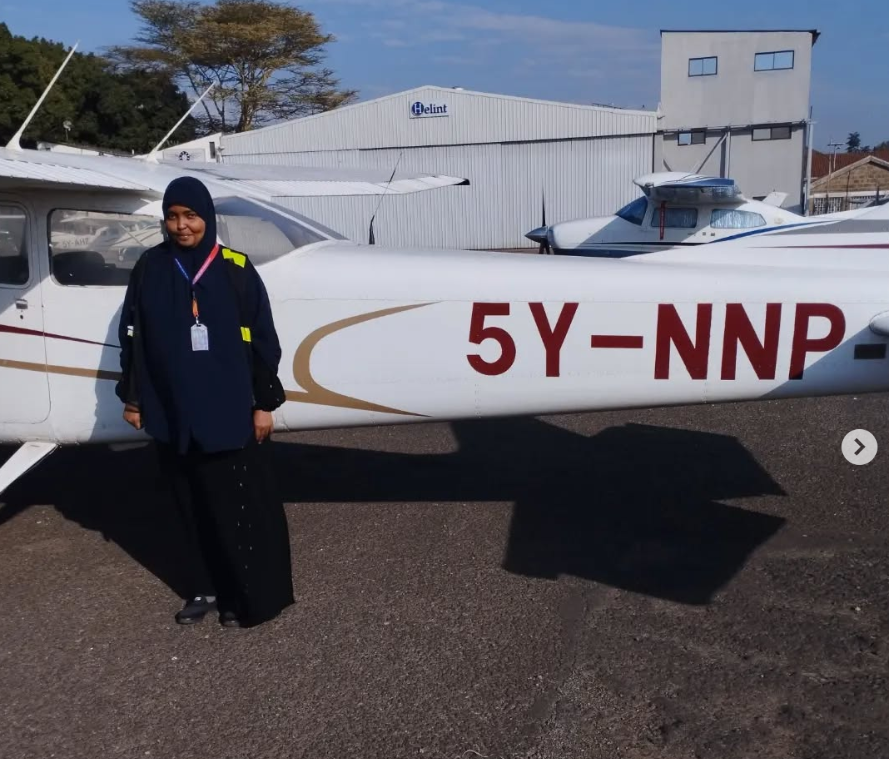
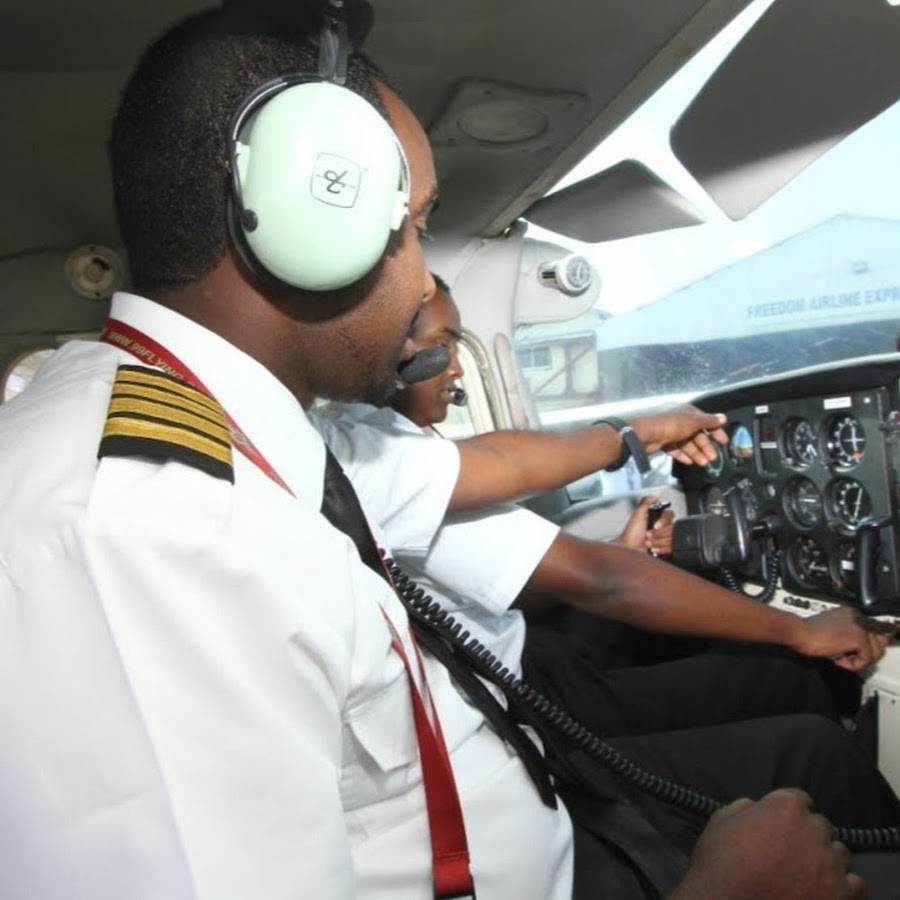
Flying has always been a dream for many, and Ninety-Nines Flying School in Nairobi makes it possible. Established in 1975, the school has earned a strong reputation for producing skilled pilots who serve in the private, commercial, and airline industries. Located at Wilson Airport, Ninety-Nines Flying School is approved by the Kenya Civil Aviation Authority (KCAA) and boasts a fleet of 13 training aircraft. With four intakes every year—January, April, July, and October—the school offers flexible opportunities for aspiring pilots. This guide breaks down the Ninety-Nines Flying School fee structure to help you plan your training. The Ninety Nines Flying School Fee Structure gives clarity for anyone planning a career in aviation. From the beginner PPL course to the advanced CPL and MIR training, the school provides a clear pathway for aspiring pilots. [PHOTO//Courtesy]
Understanding Ninety Nines Flying School Fee Structure
The Ninety Nines Flying School Fee Structure covers three main courses—Private Pilot Licence (PPL), Commercial Pilot Licence (CPL), and Multi-Engine Instrument Rating (MIR). Each course comes with specific training hours, simulator sessions, ground school learning, and licensing fees set by the Kenya Civil Aviation Authority.
In addition to tuition, students must budget for uniforms, medical examinations, and examination costs. The training costs are primarily in USD, while KCAA licensing and miscellaneous expenses are quoted in Kenyan Shillings (Ksh). This dual pricing system helps the school standardize fees for both local and international students.
To join the school, applicants must meet the entry requirements, including a high school certificate with at least a C+ grade, a valid medical certificate from an aviation doctor, proof of age (minimum 17 years), a certificate of good conduct, and passport photos. With these qualifications, students can begin their flight training journey.
Private Pilot Licence Course Fees
The Private Pilot Licence (PPL) course takes about six months to complete. It is designed for beginners who want to start their flying career or those seeking to fly privately.
PPL Fee Structure
Component
Fee
Ground School Course
USD 1,340
Simulator (20 hrs)
USD 800
Cessna 172 Flight Training (40 hrs @ USD 235/hr)
USD 9,400
Total Training Cost
USD 11,540
KCAA Licensing Fees
Item
Cost (Ksh)
PPL Exam Fee (8 subjects)
12,000
Radio Telephony Test
2,000
English Proficiency Test
3,000
PPL Flight Test Booking
2,000
PPL Flight Test Exam Fee
12,500
License Issue / Renewal
2,000
RT License Issue
1,200
Total KCAA Fees
34,700
Uniform and medical costs add about Ksh 20,000–25,000.
Commercial Pilot Licence Course Fees
The Commercial Pilot Licence (CPL) is the next step after PPL. This course takes 8–12 months and is for students who want to work in airlines and commercial aviation.
CPL Fee Structure
Component
Fee
Ground School Course
USD 2,200
Simulator (20 hrs)
USD 800
Cessna 172 Flight Training (135 hrs @ USD 235/hr)
USD 31,725
Night Rating (5 hrs @ USD 235/hr)
USD 1,175
Instrument Rating (20 hrs @ USD 235/hr)
USD 4,700
Piper Seneca Multi-Engine Training (15 hrs @ USD 450/hr)
USD 6,750
Total Training Cost
USD 47,350
KCAA Licensing Fees
Item
Cost (Ksh)
CPL Exam Fee (9 subjects)
13,500
Radio Telephony Test
2,000
English Proficiency Test
3,000
CPL Flight Test Booking
2,000
CPL Flight Test Exam Fee
18,000
License Issue / Renewal
3,000
RT License Issue
1,200
Total KCAA Fees
42,700
The CPL is more extensive and requires over 180 hours of flying to meet KCAA standards.
Multi-Engine Instrument Rating Course Fees
The Multi-Engine Instrument Rating (MIR) is designed for advanced students aiming to fly complex aircraft in challenging conditions.
MIR Fee Structure
Component
Fee
Ground School Course
USD 1,000
Simulator (20 hrs)
USD 800
Cessna 172 Instrument Training (20 hrs @ USD 235/hr)
USD 4,700
Piper Seneca Multi-Engine Training (15 hrs @ USD 450/hr)
USD 6,750
Total Training Cost
USD 13,250
KCAA Licensing Fees
Item
Cost (Ksh)
MEIR Exam Fee (7 subjects)
10,500
Radio Telephony Test
2,000
English Proficiency Test
3,000
MEIR Flight Test Booking
2,000
MEIR Flight Test Exam Fee
18,000
License Issue / Renewal
3,000
RT License Issue
1,200
Total KCAA Fees
39,700
Students must also cover uniform costs and a medical examiner fee of Ksh 15,000.
Final Thoughts on Ninety Nines Flying School Fee Structure
The Ninety Nines Flying School Fee Structure gives clarity for anyone planning a career in aviation. From the beginner PPL course to the advanced CPL and MIR training, the school provides a clear pathway for aspiring pilots. While the fees may seem high, they reflect the quality of training, experienced instructors, and modern equipment available at the school.
For inquiries, you can reach Ninety-Nines Flying School at +254728606479 or email [email protected].
 The Ninety Nines Flying School Fee Structure gives clarity for anyone planning a career in aviation. From the beginner PPL course to the advanced CPL and MIR training, the school provides a clear pathway for aspiring pilots. [PHOTO//Courtesy]