




The Owino and Alai gun drama has ignited national debate not merely because of the shocking images captured on CCTV, but because it lays bare the simmering political tensions within the Orange Democratic Movement (ODM).
What unfolded inside a Kilimani restaurant on January 3, 2026, was more than a personal clash between two outspoken politicians. It was a collision of egos, ideologies, and rival power blocs within the party.
The footage now under review by the Directorate of Criminal Investigations offers a rare, frame-by-frame account that helps answer the most pressing question: Who provoked whom?

Owino and Alai Gun Drama Captured on CCTV Footage
The CCTV footage establishes a clear timeline that challenges competing political narratives. At around 4:01 pm, Embakasi East MP Babu Owino is seen rising from his seat at one gazebo and calmly walking toward a second gazebo where Kileleshwa MCA Robert Alai sat with six associates.
The initial interaction appears cordial. Handshakes are exchanged, and there is no immediate sign of hostility. Owino greets everyone at the table, leaving Alai for last, a detail that has since fueled speculation about underlying tension.
What follows is a brief verbal exchange between the two ODM politicians. There is no audio, but body language suggests a disagreement rather than a friendly chat. Crucially, Owino does not make the first physical move.
Exactly two minutes and 32 seconds into the interaction, Alai rises abruptly and begins shoving Owino. This moment marks the clear turning point in the Owino and Alai gun drama. Owino responds defensively, attempting to shield himself rather than advance.
Within seconds, the situation spirals. Alai is captured reaching into his clothing and pulling out what appears to be a firearm, which he cocks in full view of terrified patrons. The reaction is immediate. Diners scatter, chairs shift, and panic spreads across the restaurant. From a journalistic analysis of the footage alone, the escalation from verbal confrontation to armed threat is initiated by Alai.
Who Provoked Whom According to the Footage
The question of provocation sits at the heart of public debate. Supporters of both men have rushed to frame the incident in ways that suit their political loyalties. However, the CCTV footage strips away spin. Babu Owino’s decision to walk to Alai’s table can reasonably be described as confrontational in a social setting, especially given their known rivalry. Yet provocation in political terms does not automatically translate to physical aggression.
The footage shows Owino standing his ground verbally but not initiating violence. Alai’s decision to charge, shove, and then draw a firearm represents a disproportionate response. In legal and political analysis, escalation matters. The Owino and Alai gun drama escalated the moment a weapon entered the equation. From that point, the balance of responsibility tilts sharply.
Alai has since denied brandishing a gun, stating that claims of firearms being drawn are unfair interpretations. Still, the visual evidence shows an object resembling a firearm being pulled and cocked. That image, more than any statement, has shaped public opinion.
ODM Divisions Fueling the Confrontation

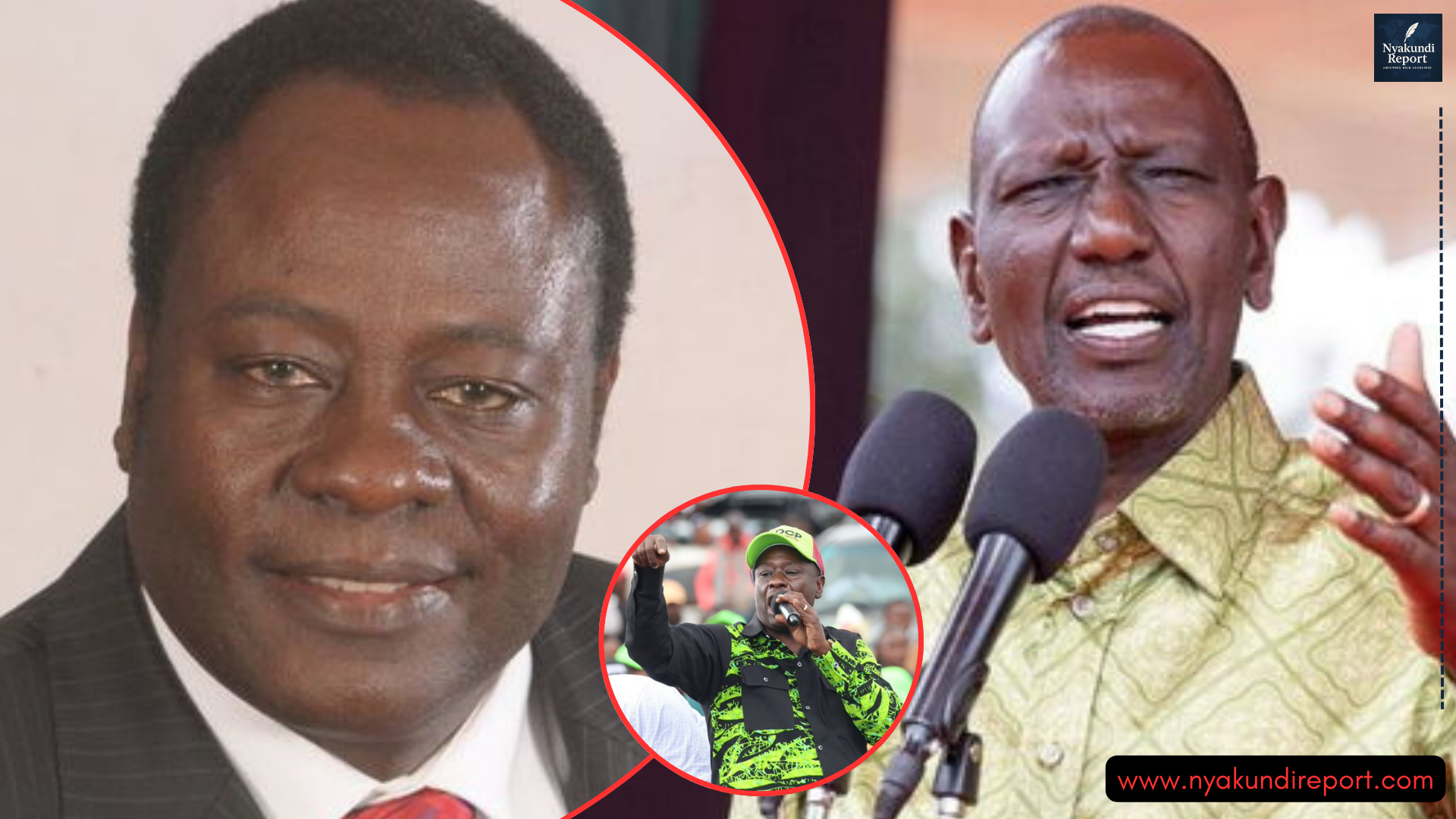
Beyond the physical clash lies a deeper political story. The Owino and Alai gun drama reflects a widening rift within ODM over the party’s direction. Robert Alai is firmly aligned with the pro-broad-based-government faction, a camp that supports cooperation with President William Ruto’s administration. Babu Owino, on the other hand, belongs to the Kenya Moja group, a faction opposed to the broad based approach and reportedly backed by former president Uhuru Kenyatta.
This ideological divide has turned once allied politicians into open rivals. What happened in Kilimani cannot be separated from this context. The restaurant altercation mirrors boardroom battles and social media wars that have played out within ODM for months. In that sense, the confrontation was political before it became physical.
Goonism, Gun Drama and Political Masculinity
Both Babu Owino and Robert Alai carry reputations that shaped public reaction. They are known for abrasive politics, street-level bravado, and past controversies involving confrontations. Owino’s background in martial arts has fed a narrative of fearlessness, casting him in the role of a man willing to face down a larger, infamous bully. Alai, a blogger turned politician, has long cultivated an image of intimidation and online aggression.
The Owino and Alai gun drama fits neatly into Kenya’s troubling culture of political masculinity, where dominance is often asserted through physical presence and threats rather than debate. The moment a firearm appeared, the spectacle shifted from politics to raw fear, endangering innocent civilians.
What the Footage Means Going Forward
Investigations by the DCI are ongoing, and both men remain influential figures within ODM. Babu Owino has called for thorough investigations and accountability under the law. Alai maintains his innocence. Yet the footage has already delivered its verdict in the court of public opinion.
Ultimately, the Owino and Alai gun drama is less about a single shove or a drawn weapon and more about a party at war with itself. Until ODM resolves its internal divisions, such confrontations risk becoming symbols of a deeper political decay rather than isolated incidents.