Foods Rich In Iron In Kenya You Should Add To Your Diet Today
Iron plays a vital role in keeping the human body healthy and energetic. This essential mineral helps the body produce haemoglobin, a protein in red blood cells that carries oxygen to every part of the body. When your body receives enough oxygen, organs function properly, and energy levels remain stable throughout the
Iron plays a vital role in keeping the human body healthy and energetic. This essential mineral helps the body produce haemoglobin, a protein in red blood cells that carries oxygen to every part of the body. When your body receives enough oxygen, organs function properly, and energy levels remain stable throughout the day.
Iron also supports healthy skin, strong hair, durable nails, and proper cell growth. Nutrition experts recommend a daily iron intake of about 18 mg, especially for women and growing teenagers. There are two types of dietary iron.
Heme iron comes from animal products, while non-heme iron comes from plant foods. Fortunately, many foods rich in iron in Kenya are affordable and widely available in local markets. Knowing these foods can help you improve your diet and prevent iron deficiency.
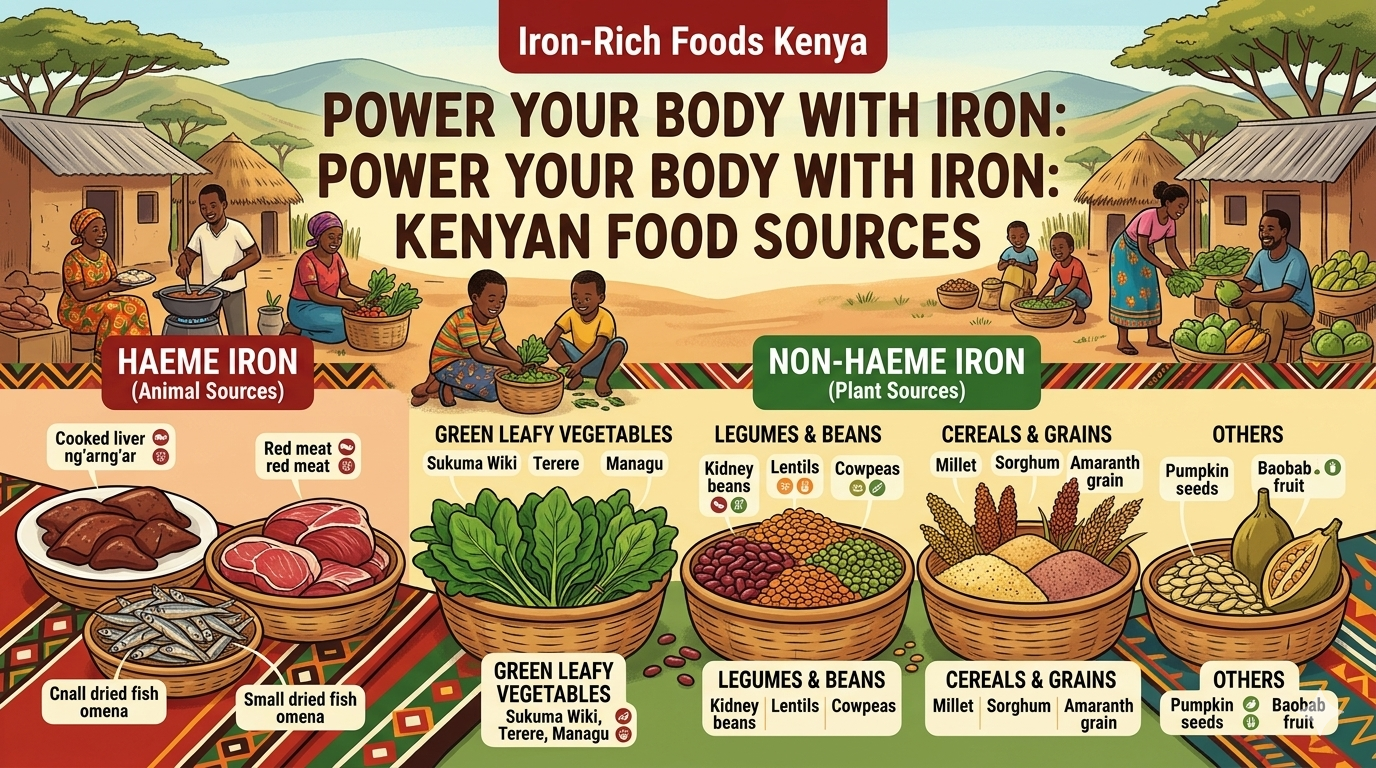 Including a variety of iron-rich foods in Kenya, from vegetables to meats, helps maintain energy, supports blood health, and promotes strong hair, nails, skin, and overall well-being.
These foods help maintain healthy blood levels while supporting several other body functions.
Including a variety of iron-rich foods in Kenya, from vegetables to meats, helps maintain energy, supports blood health, and promotes strong hair, nails, skin, and overall well-being.
Top Foods Rich In Iron In Kenya That Boost Health Naturally
Kenya has many iron-rich foods from both plant and animal sources. Including these foods in your daily meals can help improve blood health and maintain proper oxygen flow in the body. Below is a helpful table showing some of the most common foods rich in iron in Kenya and their approximate iron content.| Food | Type of Iron | Iron Content |
|---|---|---|
| Spinach (100g cooked) | Non-heme | 3.6 mg |
| Beans (1 cup cooked) | Non-heme | 8 mg |
| Lentils (1 cup cooked) | Non-heme | 6.6 mg |
| Peas (1 cup cooked) | Non-heme | 5 mg |
| Pumpkin seeds (28g) | Non-heme | 4.2 mg |
| Beef liver (100g) | Heme | 6.5 mg |
| Beef (100g) | Heme | 2.7 mg |
| Oats (1 cup cooked) | Non-heme | 3.4 mg |
| Sweet potatoes (300g) | Non-heme | 2.5 mg |
| Irish potatoes (300g) | Non-heme | 3.2 mg |
Plant-Based Foods Rich In Iron In Kenya
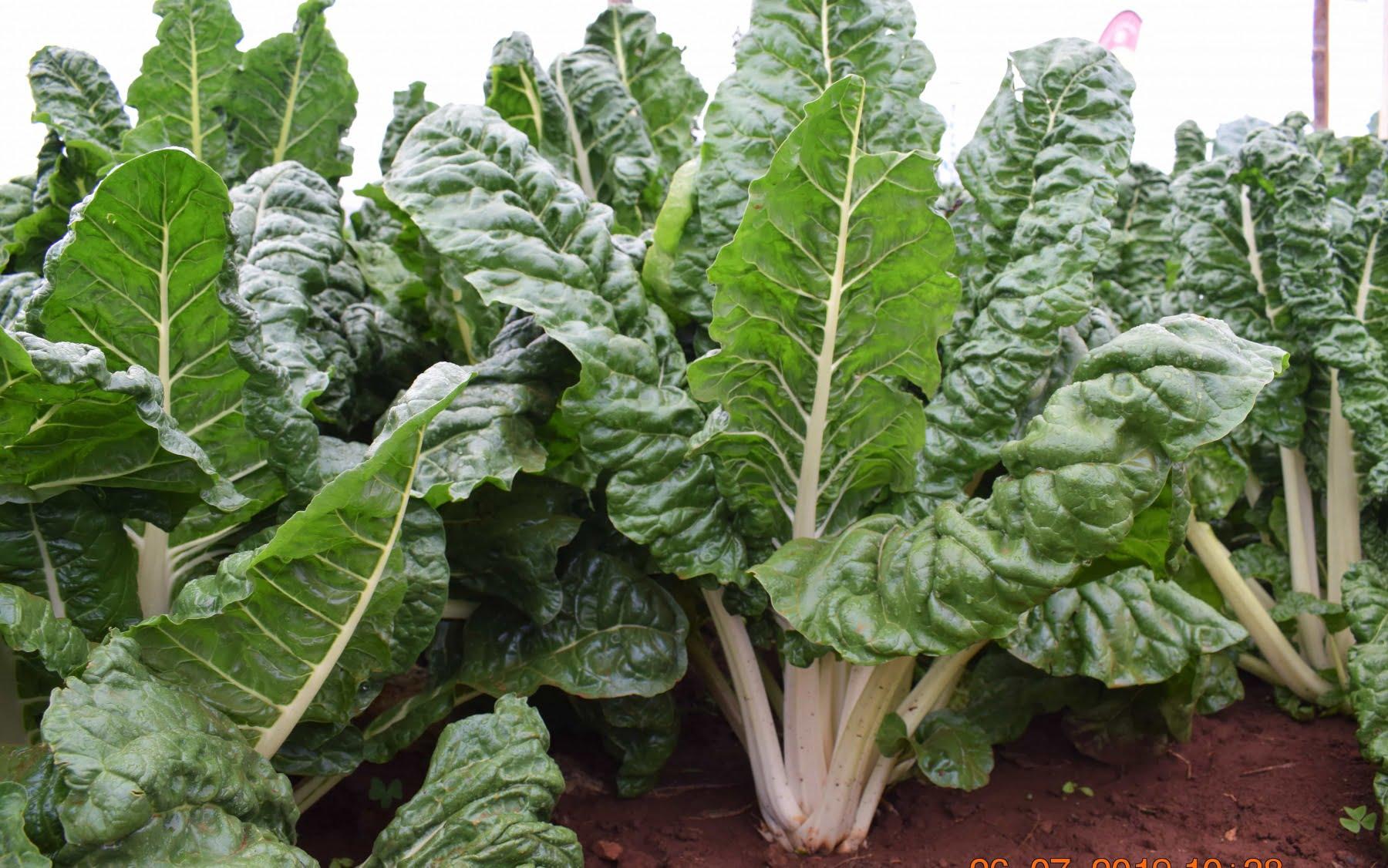
Plant foods provide non-heme iron, which is widely available in Kenyan diets. Although this type of iron is absorbed slightly slower than heme iron, regular consumption still helps maintain healthy iron levels. Some of the best plant-based sources include: 1. Green Vegetables Green leafy vegetables like spinach are excellent sources of iron. About 100 grams of cooked spinach contains around 3.6 mg of iron, which covers roughly 20% of the daily requirement for women. Other iron-rich greens commonly eaten in Kenya include:- Sukuma wiki (collard greens)
- Terere (amaranth)
- Managu (African nightshade)
- Beans
- Lentils
- Peas
- Healthy fats
- Magnesium
- Zinc
- Protein
- Oats provide about 3.4 mg of iron per cooked cup.
- Dates
- Berries
- Prunes
- Olives
- Watermelon
Animal Foods Rich In Iron In Kenya
Animal products contain heme iron, which the body absorbs faster than plant-based iron. Many Kenyan households rely on these foods to maintain healthy iron levels. 1. Organ Meat Organ meats are among the most powerful iron sources available. Popular varieties in Kenya include:- Liver
- Kidneys
- Gizzards
- High-quality protein
- Selenium
- Vitamin B12