












When two female construction workers walked into Muthaiga Police Station on January 5, 2020, to report indecent assault and sexual harassment by an Irish project manager, few imagined the legal and corporate storm it would unleash.
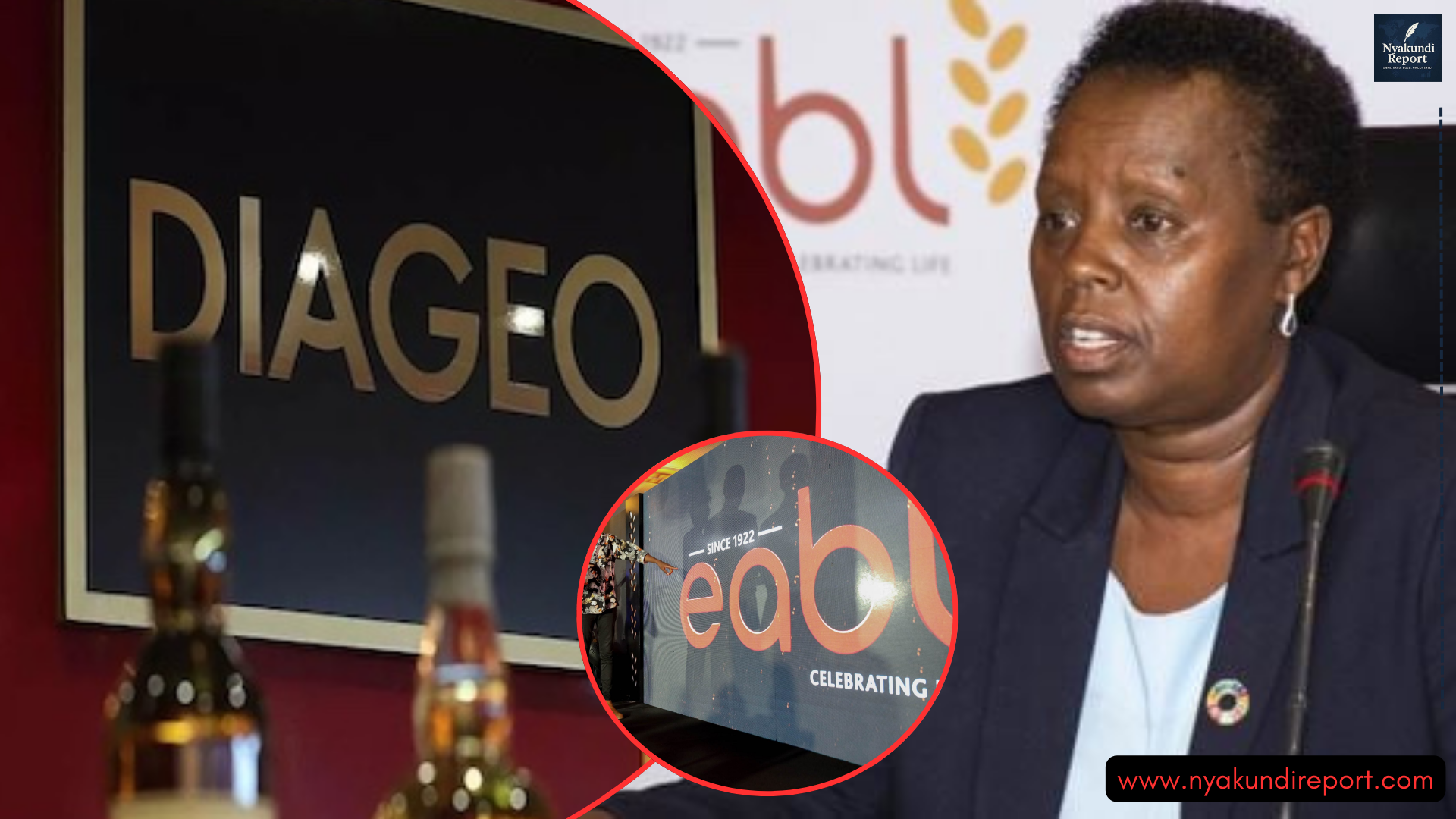
The complaint against Brendon Daly, deployed to Kenya by Diageo PLC, would ignite a five-year conflict spanning Ksh3 billion in arbitration, involve fleeing judges, threaten criminal prosecutions, and bring East African Breweries Limited CEO Jane Karuku’s leadership under intense scrutiny.
What began as workplace misconduct transformed into a corporate and judicial spectacle of alarming scale.
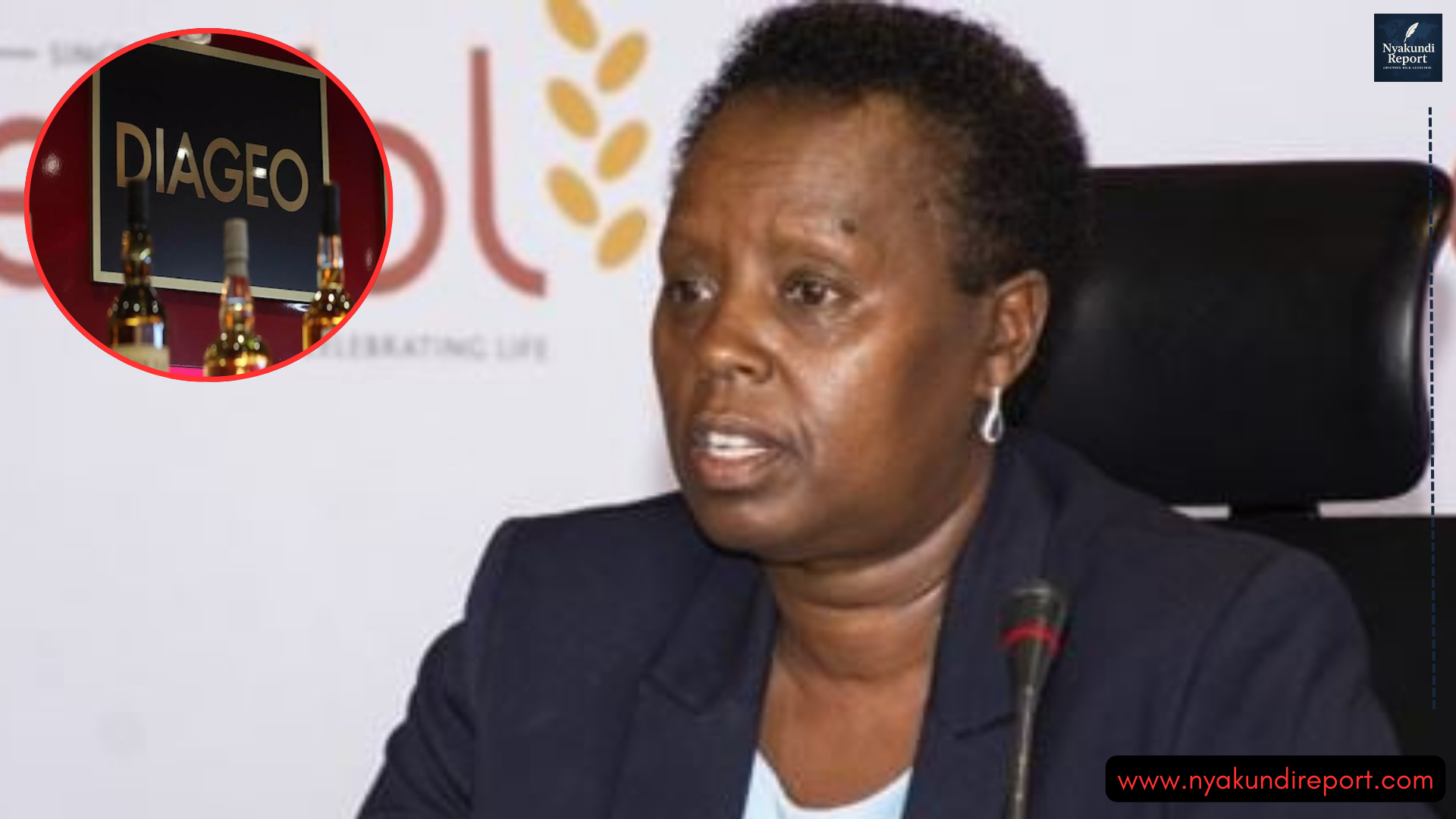
Project Nafasi Unravels as Diageo Sexual Abuse Allegations Trigger Billion-Shilling Corporate and Legal Chaos
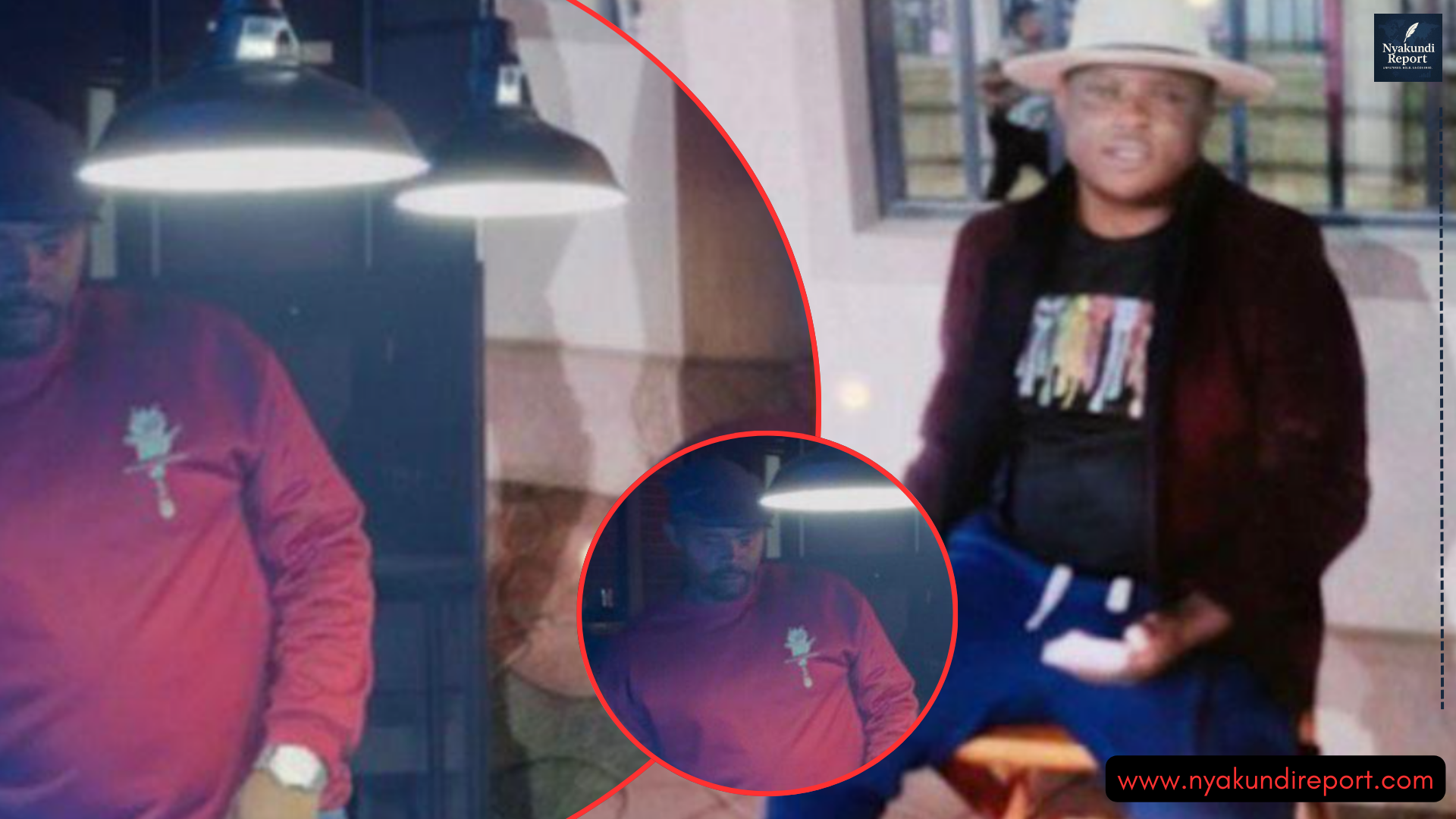
In 2016, Kenya Breweries Limited (KBL) embarked on Project Nafasi, a Ksh15 billion initiative to build a modern brewery in Kisumu. JILK Construction Company, a local contractor, was engaged to execute the project. While KBL appeared as the principal party, operational control rested firmly with Diageo PLC, the London-based multinational behind Guinness, Johnnie Walker, and Senator Keg. Diageo staff managed procurement, consultants, and site operations, deploying foreign managers—including Brendon Daly—to oversee Kisumu.
Between October 2017 and March 2018, Daly allegedly sexually harassed and assaulted two female JILK employees. They reported the abuse more than a year later. JILK CEO Sammy Maina also filed a complaint with KBL, initiating a sequence of events that would intertwine commercial arbitration with criminal allegations.
The Letter That Changed Everything
On February 5, 2020, the Director of Criminal Investigations formally informed Jane Karuku about the sexual harassment allegations. KBL responded, noting that the complaint came after Daly had left Kenya. Maina later alleged in a January 2026 letter to the Director of Public Prosecutions (DPP) that Karuku and Group Corporate Relations Director Eric Kiniti facilitated Daly’s departure to evade justice. He claimed Diageo and KBL pressured JILK to drop the sexual harassment complaints and, when that failed, leveraged litigation to punish Maina.
Maina has since indicated plans to file private criminal charges against Karuku, Kiniti, and Daly. He seeks police cooperation to secure evidence and compel Daly’s return. EABL, through its lawyers, rejected these allegations as “entirely false, malicious, and devoid of any factual or legal foundation,” claiming Daly was employed by JAE Engineering, not KBL or Diageo, and his departure was unrelated to the company.
The Arbitration and Judicial Interventions
Parallel to criminal complaints, JILK sought arbitration in February 2020 over Ksh2.4 billion owed by KBL under Project Nafasi. Quantity Surveyor Mutinda Mutuku was appointed arbitrator. Written submissions from JILK and KBL concluded by November 2024, yet the award never materialized.
On December 1, 2024, KBL filed a petition to quash the arbitration, alleging bias and seeking to suspend publication of the award. The High Court granted the application, stalling proceedings for fourteen months. JILK contends the petition was deliberately timed to prevent an unfavorable arbitration outcome. Maina ties this litigation to his support for the women accusing Daly, suggesting corporate retaliation.
Diageo’s Sale and Regulatory Silence
In December 2025, Diageo announced plans to sell its controlling stake in EABL to Japan’s Asahi Group, intending to exit Kenya by July 31, 2026. JILK warned that if Diageo left before arbitration concluded, the Ksh3 billion claim would be rendered unenforceable.
They sought intervention from the Competition Authority of Kenya, which failed to respond. Consequently, JILK filed Civil Suit No. E032 of 2026, naming Diageo, KBL, EABL, and the Competition Authority as respondents, combining sexual abuse, employment law violations, and operational control claims.
Judges in Retreat and Legal Conflicts
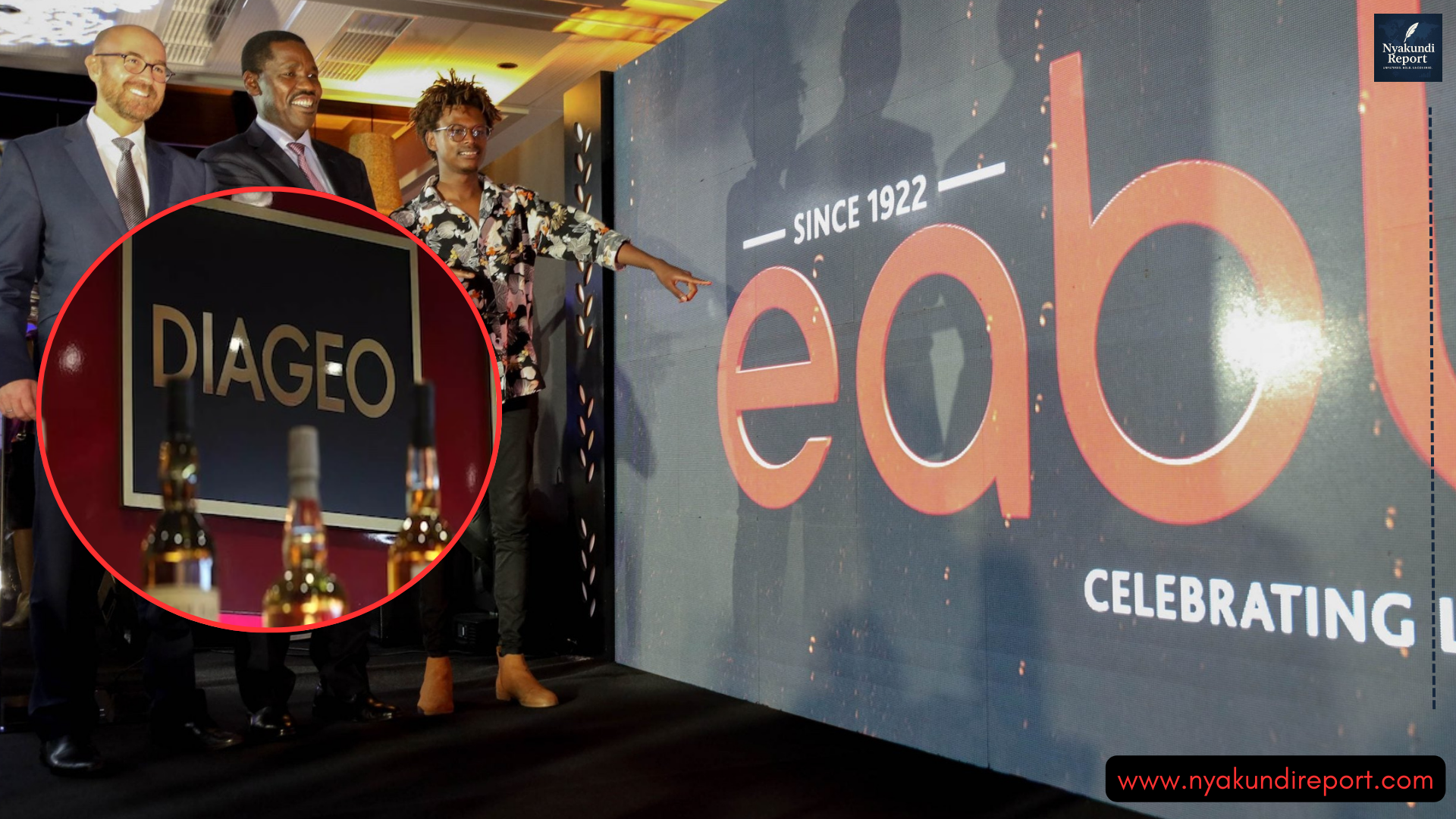
Bench Withdrawals
In February 2026, presiding judge Njoki Mwangi recused herself, citing a conflict as the law firm representing Diageo also represented her in another matter. Justice Freda Mugambi had earlier withdrawn from the 2024 petition, leaving both cases under Justice Francis Gikonyo. These high-profile withdrawals exposed the intricate entanglement of Kenya’s commercial judiciary with corporate interests.
Law Firm Conflicts
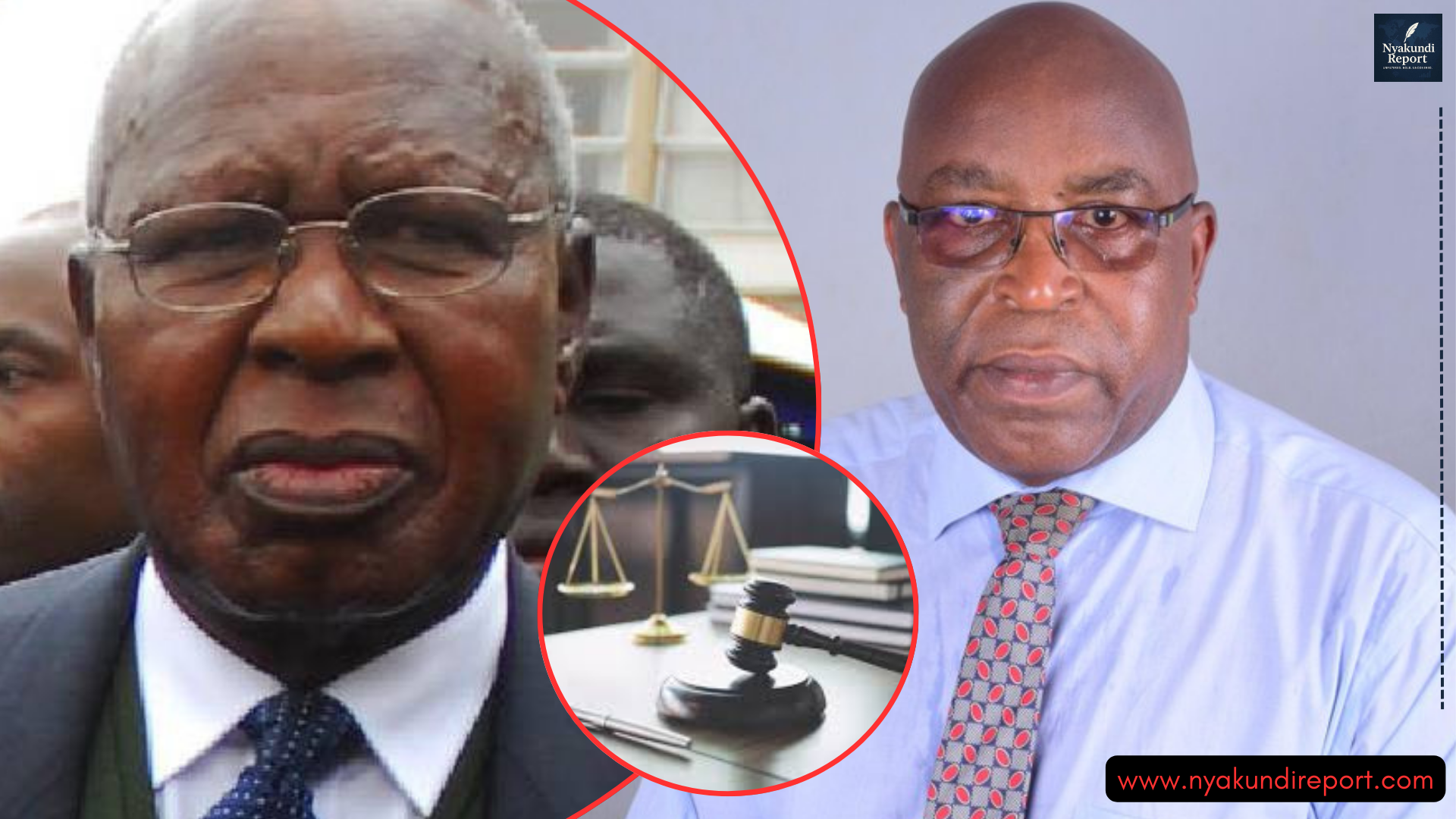
EABL engaged Mohammed Muigai LLP, led by former Attorney General Professor Githu Muigai, prompting objections from JILK. The firm had previously represented JILK in the arbitration dispute, raising conflict-of-interest concerns.
JILK claimed confidential information shared during prior engagement should bar the firm from acting against them. This move exemplified the high-stakes legal maneuvering and potential misuse of institutional knowledge in corporate litigation.
Nelson Havi’s Intervention
JILK reinforced its legal team by enlisting Nelson Havi, former Law Society of Kenya president. Known for his aggressive courtroom approach, Havi emphasized the urgency of resolving the cases before Diageo’s exit. Justice Gikonyo directed responses to pending applications within three days and scheduled hearings to expedite proceedings, highlighting the existential stakes for all parties involved.
Media Silence and Corporate Impunity
Despite the case’s magnitude—a Ksh3 billion commercial dispute, sexual abuse allegations against a foreign national, and the potential involvement of a CEO in facilitating escape—Kenya’s mainstream media has largely remained silent. Analysts suggest that the advertising influence of KBL and Diageo may contribute to the lack of coverage, raising questions about media independence and the public’s right to be informed.
The Stakes and the Unfinished Story
JILK’s immediate concern centers on whether the Ksh3 billion claim will be resolved before Diageo exits Kenya, a move that could leave the contractor without meaningful recourse. Meanwhile, KBL and EABL must defend a litigation strategy critics describe as deliberate procedural attrition.
Jane Karuku and Eric Kiniti face personal and professional scrutiny as allegations that they aided a fleeing sexual abuse suspect threaten to shadow their reputations and leadership standing.
Maina has signaled no intention of retreat. Brendon Daly, meanwhile, remains outside Kenya. Two women who reported abuse in 2020 are still awaiting justice. The unfolding saga underscores a collision of corporate power, judicial complexity, and sexual abuse allegations—a stark reminder of how multinationals and entrenched corporate hierarchies can manipulate legal processes to their advantage.