Details of East African School of Aviation Fee Structure
The East African School of Aviation (EASA) is one of the top aviation training institutions in Kenya and the East African region. Established in 1954, the school has built a reputation for producing highly skilled aviation professionals. EASA operates under the Kenya Civil Aviation Authority (KCAA) and is located in Em
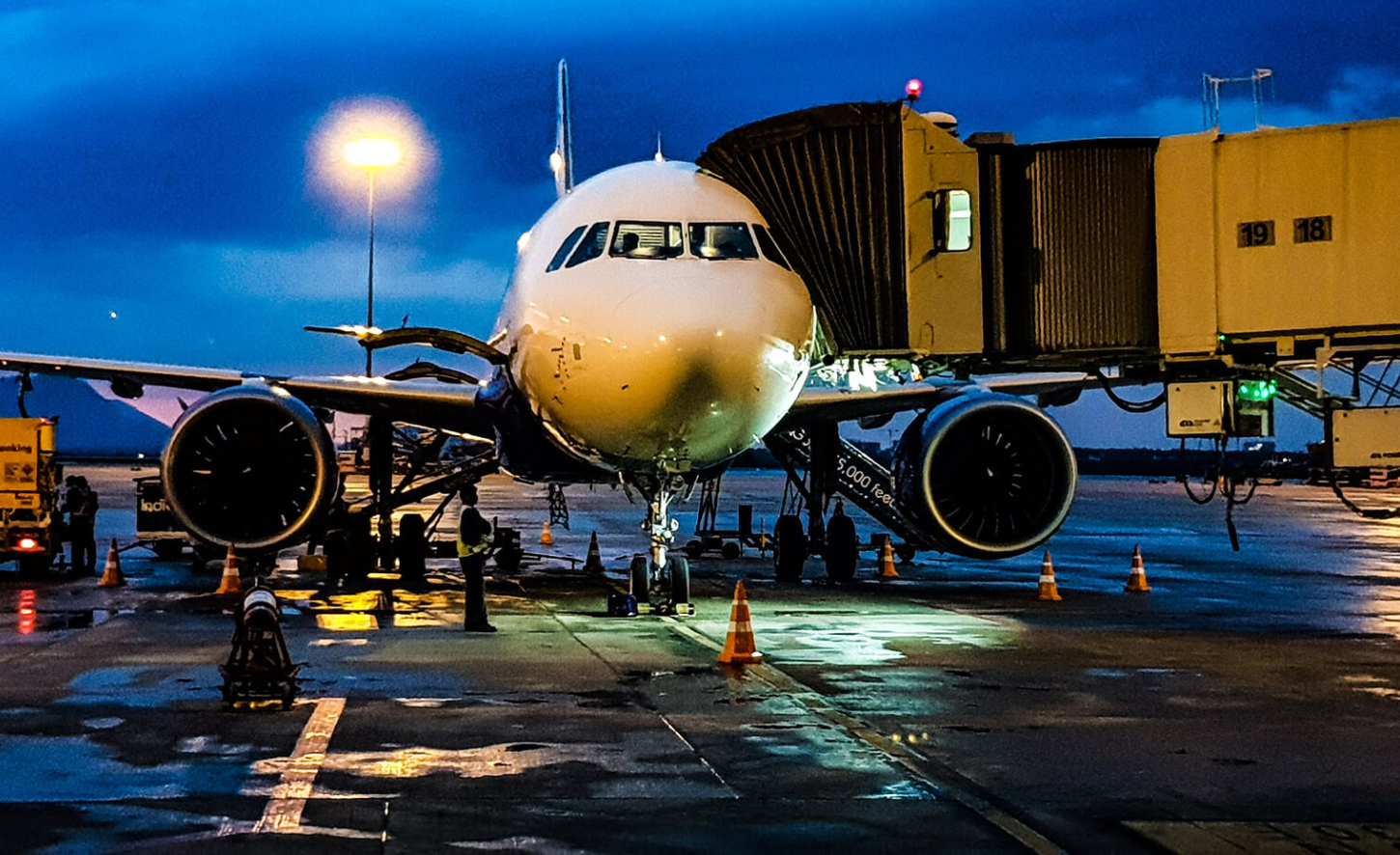
The East African School of Aviation (EASA) is one of the top aviation training institutions in Kenya and the East African region. Established in 1954, the school has built a reputation for producing highly skilled aviation professionals. EASA operates under the Kenya Civil Aviation Authority (KCAA) and is located in Embakasi, Nairobi. The institution offers diplomas, certificates, and professional courses in aeronautical engineering, aircraft maintenance, air cargo management, travel and tourism, flight operations, aviation medicine, and aviation security. If you want to join EASA, understanding the East African School of Aviation Fee Structure is important. This guide breaks down the fees, entry requirements, and payment details for 2025. The East African School of Aviation fee structure for 2025 shows affordable training options compared to many global aviation schools. With diploma, certificate, and IATA programs, EASA caters to students with different academic levels and career goals. [Photo: Courtesy]
Understanding the East African School of Aviation Fee Structure
The East African School of Aviation Fee Structure varies depending on the course, duration, and modules. Diploma programs usually take between two and three years, while certificate and IATA courses run for six months to one year. Below is a breakdown of the main courses and their fees for 2025.
Diploma Programs at EASA
Diploma programs form the backbone of EASA training. They cover engineering, flight operations, airport management, and tourism.
Program
Duration
Entry Requirement
Fees (Ksh)
Diploma in Aeronautical Engineering (Avionics)
3 years
KCSE C- with C- in Math, English, Physics
Year I: 158,450 Year II: 158,150 Year III: 115,950
Diploma in Aeronautical Engineering (Airframes & Engines)
3 years
KCSE C- with C- in Math, English, Physics
Year I: 158,450 Year II: 158,150 Year III: 115,950
Diploma in Travel and Tourism Management
2 years
KCSE C-
Year I: 156,500 Year II: 120,500
Diploma in Airport Ground Operations Management
2 years
KCSE C-
Year I: 156,500 Year II: 120,500
Diploma in Air Cargo Management
2 years
KCSE C-
Year I: 156,500 Year II: 120,500
Diploma in Flight Dispatch / Flight Operations
1 year
KCSE C-, Age 19+
180,500
Aircraft Maintenance Licence (AMEL)
1 year
Diploma in Aeronautical Engineering or equivalent
226,700
These diploma courses include both KNEC-regulated programs and EASA’s own technical modules. Students receive hands-on training at modern facilities in Embakasi.
IATA Programs at EASA
EASA also offers IATA-certified courses. These programs prepare students for global opportunities in aviation, travel, and tourism.
Program
Duration
Entry Requirement
Fees (Ksh)
IATA Certificate in Airline Cabin Crew
6 months
KCSE D+
160,300
IATA Diploma in Air Cargo Introductory Service
6 months
KCSE D+
164,100
IATA Certificate in Dangerous Goods Regulations (Category 3)
6 months
KCSE D+ and Air Cargo Introductory
137,100
IATA Certificate in Advanced Cargo Rating and Marketing
6 months
KCSE D+ and Dangerous Goods Certificate
125,900
IATA Diploma in Travel and Tourism Foundation with Galileo
6 months
KCSE D+
197,700
IATA Diploma in Travel and Tourism Consultant
6 months
Completion of Travel and Tourism Foundation
159,500
IATA Diploma in Managing the Travel Business
6 months
Completion of Travel and Tourism Consultant
156,700
These IATA programs are internationally recognized, making EASA graduates competitive in the global job market.
Discover your future at the East African School of Aviation. With recognized programs, affordable fees, and strong industry links, EASA offers aspiring aviation, travel, and tourism professionals the perfect pathway to a rewarding and globally competitive career. [Photo: Courtesy]
Accommodation and Application Details
Apart from tuition, students should budget for accommodation and mandatory application fees.
Accommodation: Full board hostel facilities are available at Ksh 18,000 per month. This covers meals and housing on campus.
Application Fee: A non-refundable application fee of Ksh 1,000 (USD 10) applies. Payments are made online via the EASA application portal.
New KUCCPS Students: A one-time admission fee of Ksh 1,500 is required.
To apply, students must create an account at EASA application portal and upload scanned copies of their passport photo, ID or passport, birth certificate, KCSE results slip, and leaving certificate.
Why Choose EASA
The East African School of Aviation offers more than just courses. It is a training hub recognized by the International Civil Aviation Organization (ICAO), International Air Transport Association (IATA), and Africa-India Regional Training Centre of Excellence. Its graduates are highly employable in Kenya and beyond.
EASA also works with Moi University to offer aviation management degrees, ensuring progression opportunities for diploma holders. The blend of local and international accreditation makes EASA a top choice for anyone looking to pursue a career in aviation.
For inquiries, prospective students can contact the school via:
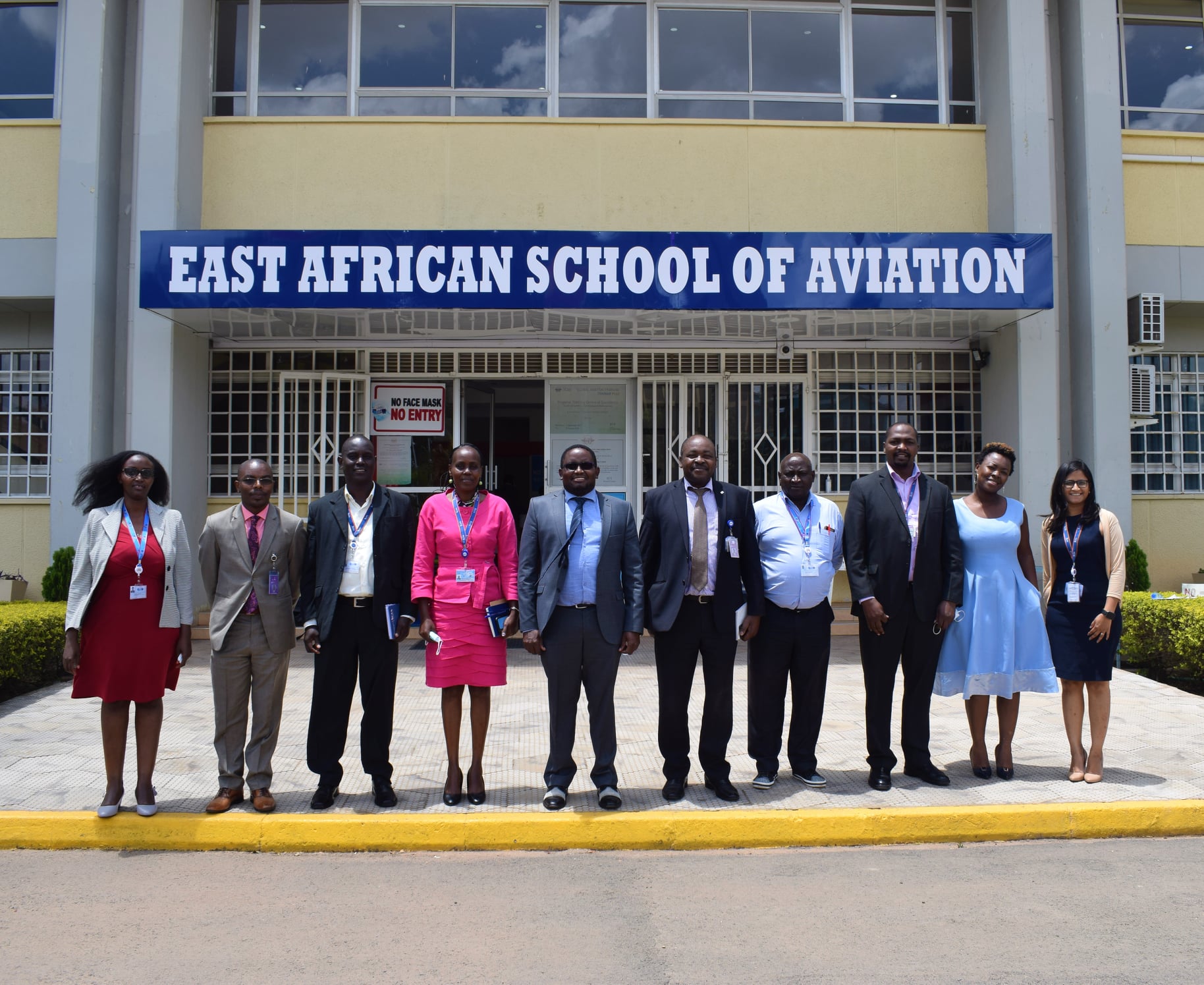 The East African School of Aviation fee structure for 2025 shows affordable training options compared to many global aviation schools. With diploma, certificate, and IATA programs, EASA caters to students with different academic levels and career goals. [Photo: Courtesy]