Beginner’s Guide to Minji Farming In Kenya for Profit and Sustainability
Minji farming in Kenya is becoming a favourite venture for smallholder and commercial farmers. Known globally as garden peas, minji are easy to grow and have a ready market both locally and internationally. They require minimal farming skills and can thrive in many parts of the country. With the right conditions and ca
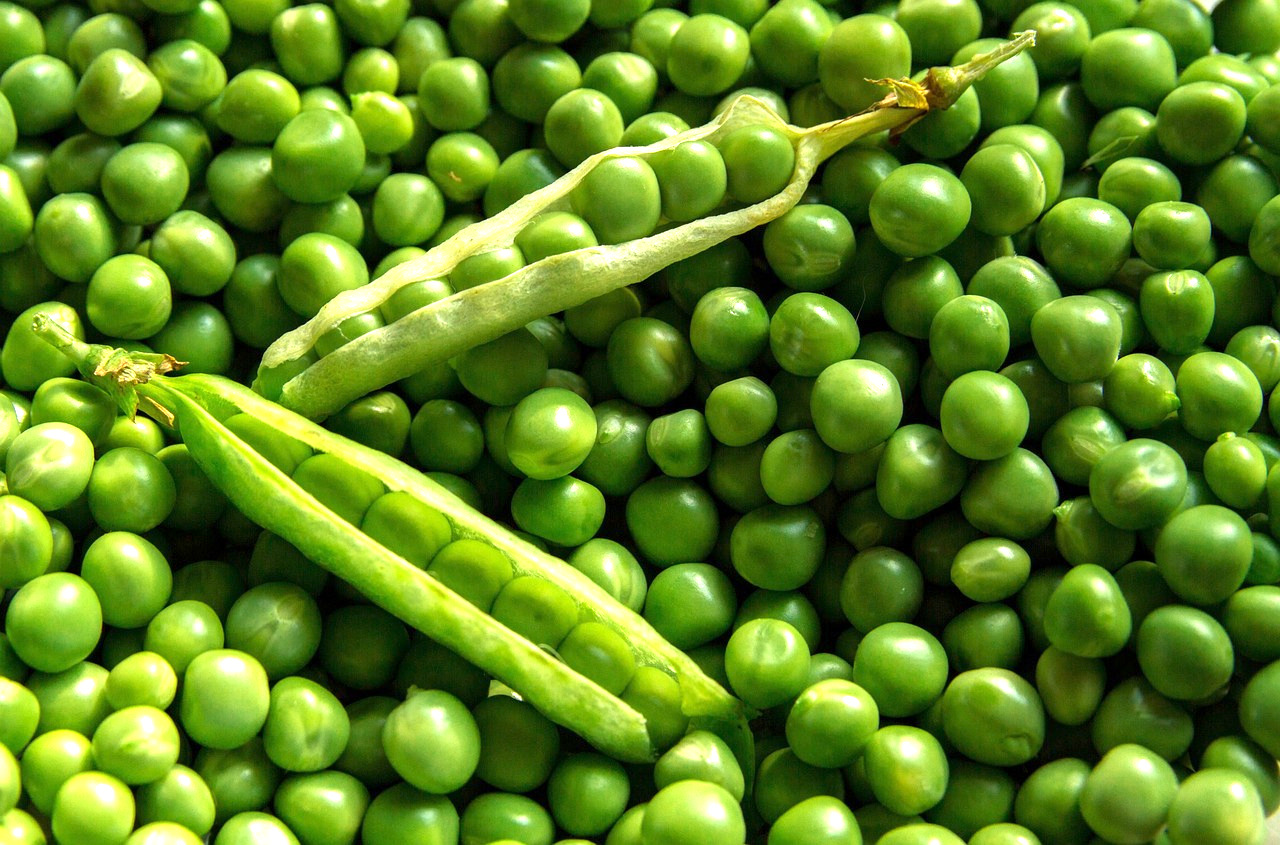
Minji farming in Kenya is becoming a favourite venture for smallholder and commercial farmers. Known globally as garden peas, minji are easy to grow and have a ready market both locally and internationally.
They require minimal farming skills and can thrive in many parts of the country. With the right conditions and care, minji farming can bring in solid returns within just two months.
This guide will walk you through the basics of growing, managing and selling minji in Kenya.
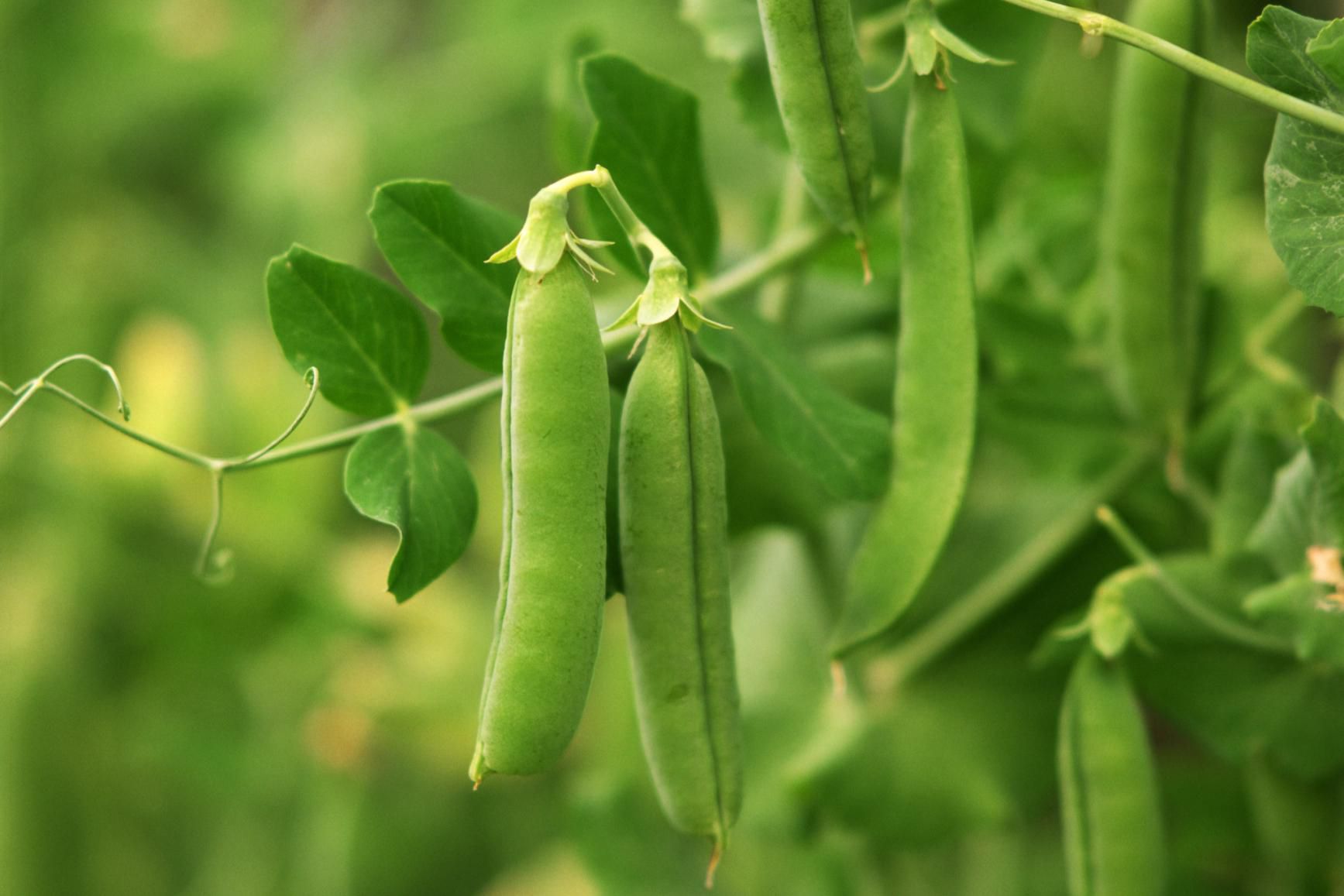 Minji farming in Kenya is a simple yet rewarding venture. With the right soil, proper spacing, and good pest control, farmers can enjoy great harvests in just two months. The market is there—both locally and abroad—and demand is growing every day. [Photo: Courtesy]
Minji farming in Kenya is a simple yet rewarding venture. With the right soil, proper spacing, and good pest control, farmers can enjoy great harvests in just two months. The market is there—both locally and abroad—and demand is growing every day. [Photo: Courtesy]
Minji Farming In Kenya Made Simple and Profitable
Minji farming in Kenya thrives in cool highland areas such as Nyahururu, Kiambu, Murang’a, and Meru. These counties offer the perfect environment—fertile soils, cool temperatures, and reliable rainfall.Best Varieties of Garden Peas to Grow
There are several varieties of garden peas, but only a few perform best in Kenyan conditions. Farmers are encouraged to plant high-yielding, disease-resistant varieties like:- Summerwood – Known for its sweet taste and uniform pods.
- Green Feast – Popular for its fast growth and large yields.
Ecological Conditions for Minji Farming
For healthy minji crops, pay attention to the following growing conditions:- Soil: Deep, fertile, and well-drained sandy loam soil is ideal. Avoid water-logged areas.
- pH level: Between 5.6 and 6.5 for best nutrient absorption.
- Temperature: Ranges between 10°C and 30°C. Peas don’t do well in extreme heat.
- Rainfall: About 400–500mm is sufficient. If rainfall is low, consider using irrigation.
Planting and Managing Your Minji Farm
Minji farming doesn’t require complicated methods. You only need good timing, spacing, and proper care during the growing stages.How to Plant Minji the Right Way
Propagation of garden peas is done by direct sowing. This means you plant the seeds straight into the soil rather than using seedlings. Steps to follow:- Prepare the land: Till the soil well and remove weeds.
- Mark rows: Drill rows that are 45cm apart. Then plant seeds 7cm from each other within the rows.
- Sow seeds: Use about 8–10kg of seeds per acre for this spacing.
- Water: Ensure the soil is moist at the time of planting. The best time to plant is at the beginning of the rainy season.
- Fertilize: After 7 days, top-dress using Di-Ammonium Phosphate (DAP) or compost for strong growth.
Pest and Disease Management
Just like other crops, minji are prone to pests and diseases. Prevention and early control are key to avoiding losses. Common pests include:- Caterpillars
- Aphids
- Thrips
- Spider mites
- Cutworms
- Use insecticides such as Thunder
- Practice crop rotation
- Remove infected plants
- Keep the field clean
- Black spots – Appears as dark marks on leaves and stems.
- Blight – Causes the plant to wilt and rot.
- Use fungicides like Redomil
- Maintain proper spacing for air circulation
- Avoid overwatering
- Rotate with non-legume crops
Harvesting and Selling Your Minji for Maximum Profit
One of the best things about minji farming in Kenya is the short maturity period and high market demand.When and How to Harvest Garden Peas
Minji takes about 60–70 days to mature depending on the variety and weather. They can be harvested:- Green – This is the most preferred stage for the market.
- Dry – Can be stored longer but fetches a slightly lower price.
Where to Sell Minji in Kenya
Minji has a wide market across the country and abroad. You can sell them to:- Open-air markets
- Greengrocers and supermarkets
- Hotels and restaurants
- Fresh produce exporters