A Complete Guide to Sorghum Farming In Kenya
Sorghum is one of the most reliable crops in Kenya, especially in dry areas. It is tough, nutritious, and has many uses, from food to animal feed and even brewing. Because of its drought resistance and short maturity period, sorghum is a top choice for farmers in regions where other crops often fail. Whether you're gro
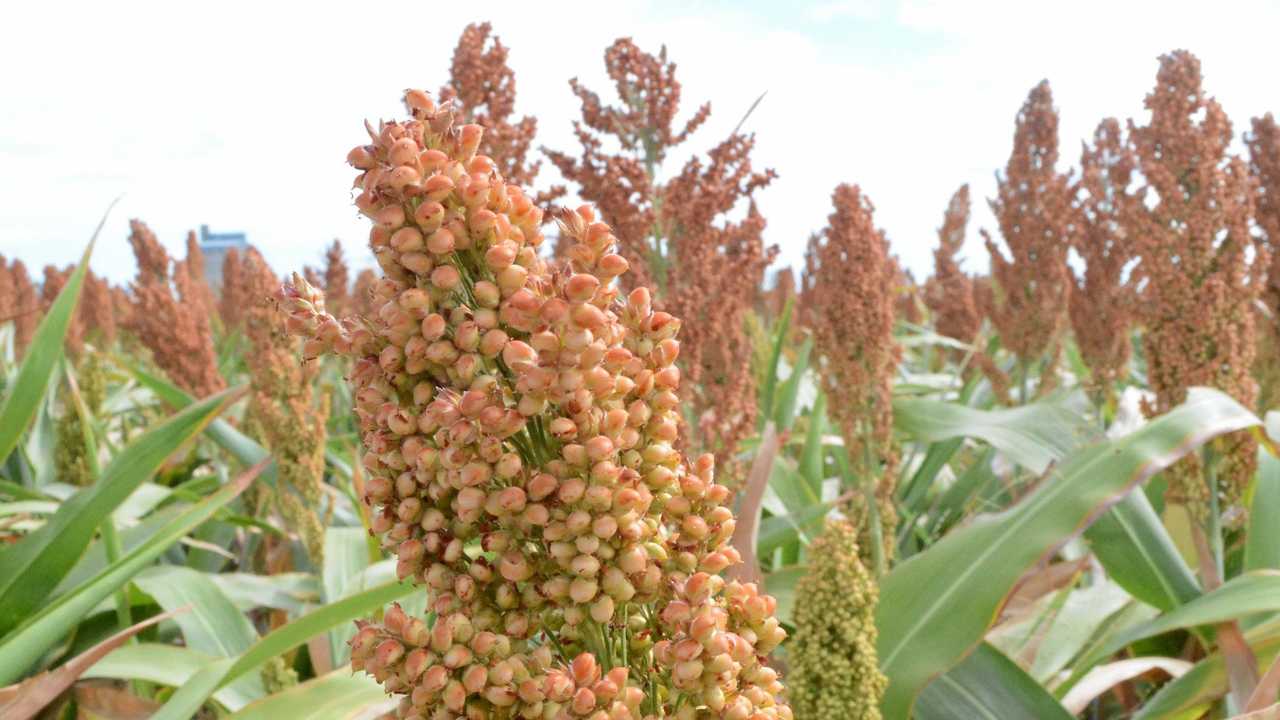
Sorghum is one of the most reliable crops in Kenya, especially in dry areas. It is tough, nutritious, and has many uses, from food to animal feed and even brewing.
Because of its drought resistance and short maturity period, sorghum is a top choice for farmers in regions where other crops often fail.
Whether you're growing it for your own use or for sale, sorghum farming in Kenya is a smart and sustainable venture.
This guide breaks down the easy steps to help you succeed in sorghum farming.
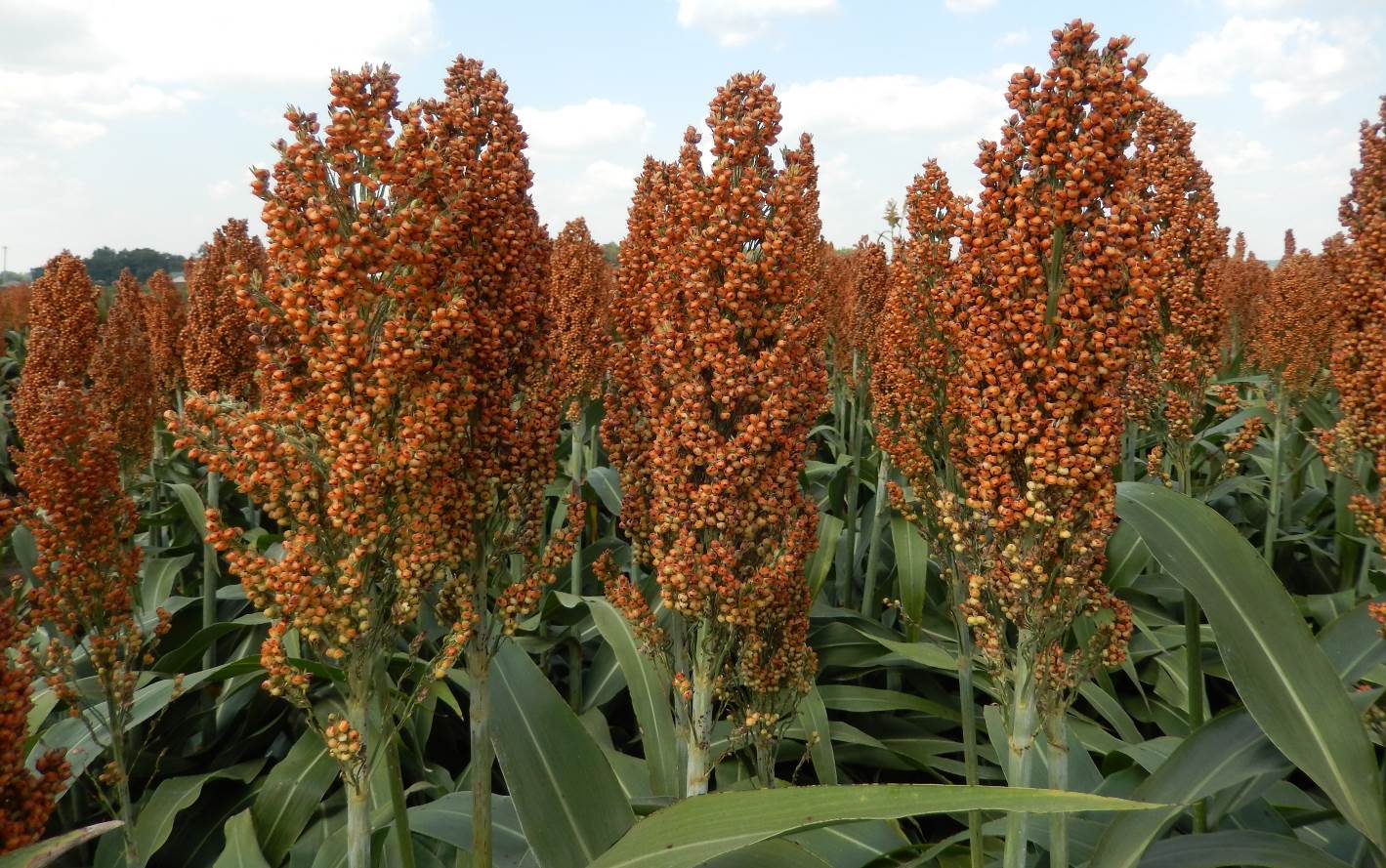 Sorghum farming in Kenya is an affordable and profitable venture, especially for farmers in arid and semi-arid areas. With the right variety, proper planting and good management, you can get excellent yields and returns. [Photo: Courtesy]
Sorghum farming in Kenya is an affordable and profitable venture, especially for farmers in arid and semi-arid areas. With the right variety, proper planting and good management, you can get excellent yields and returns. [Photo: Courtesy]
Key Steps to Sorghum Farming in Kenya
Sorghum farming in Kenya is simple when done right. With proper land preparation, seed choice, care and marketing, farmers can achieve great yields and income.Selecting the Right Sorghum Variety
Kenyan farmers can choose from several sorghum varieties depending on their location and intended use. Some of the best varieties include:- Seredo
- Mtama 1
- Mtama 2
- Gadam
- Serena
- E6518
- IS76
- BJ28
- E1291
Nutritional Benefits of Sorghum
Sorghum is not just easy to grow—it is also healthy. It provides:- High fiber content that aids digestion
- Magnesium, which helps in bone formation and energy production
- Vitamin B, which supports brain function and heart health
Ecological Conditions for Growing Sorghum
Sorghum does well in areas where other crops struggle. Ideal growing conditions include:- Well-drained, fertile soils
- Temperatures between 15°C and 35°C
- Annual rainfall of 400–650mm
- Altitudes below 1500 meters above sea level
Land Preparation and Planting
Proper land preparation is key to successful sorghum farming.- Clear weeds and debris from the land
- Plough the soil to improve aeration and drainage
- Create shallow furrows for sowing
Intercropping and Crop Management
Sorghum grows well when intercropped with other crops. You can grow it alongside:- Beans
- Cowpeas
- Maize
Irrigation and Mulching
Although sorghum is drought-resistant, irrigation helps during very dry periods, especially after planting and during flowering. If possible, use drip irrigation to conserve water. Mulching is not widely used in sorghum farming, but it can help retain soil moisture and reduce weeds in dry areas.Pest and Disease Control
Sorghum is fairly hardy but can still be attacked by pests and diseases. Watch out for:- Stem borers
- Aphids
- Sorghum midge
- Leaf blight
- Anthracnose
Harvesting Sorghum
Sorghum usually takes 3 to 4 months to mature, though the exact time depends on the variety and weather. Harvest when the grains are hard and dry. Cut off the heads using a sharp knife or sickle. Dry the heads properly before threshing to avoid mould and spoilage. After drying, you can either store the grains for future use or sell them immediately.Marketing Your Sorghum
Sorghum farming in Kenya has great market potential. You can sell your produce in open markets, to schools, or directly to processing companies. A 90 kg bag of sorghum fetches between Ksh 3,500 and Ksh 5,000 depending on quality and demand. Large buyers in Kenya include:- East African Breweries Limited (EABL)
- Unga Limited
- Kenya Industrial Research & Development Institute (KIRDI)
- Non-Governmental Organizations (NGOs)
- Public institutions like schools and hospitals