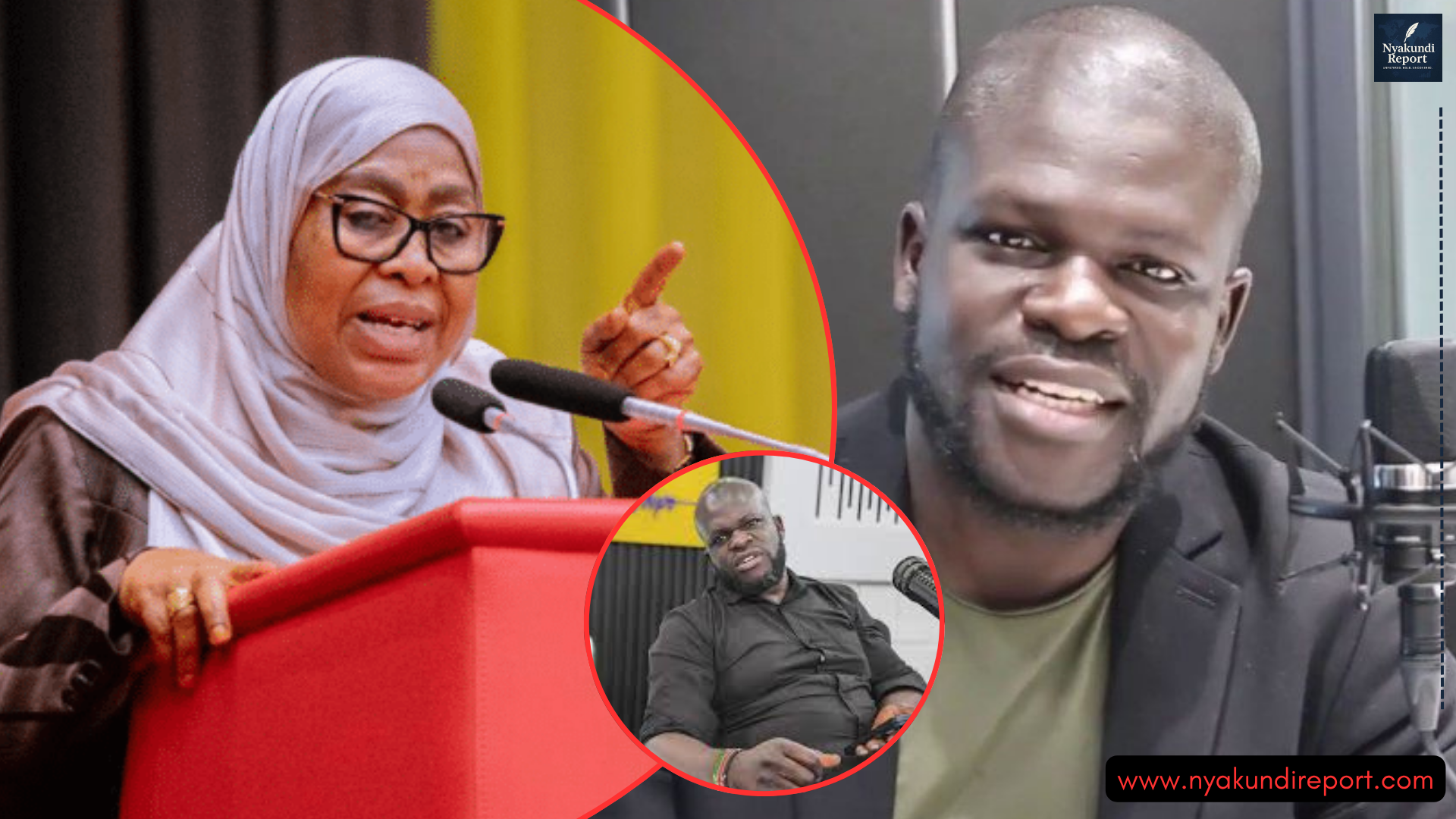


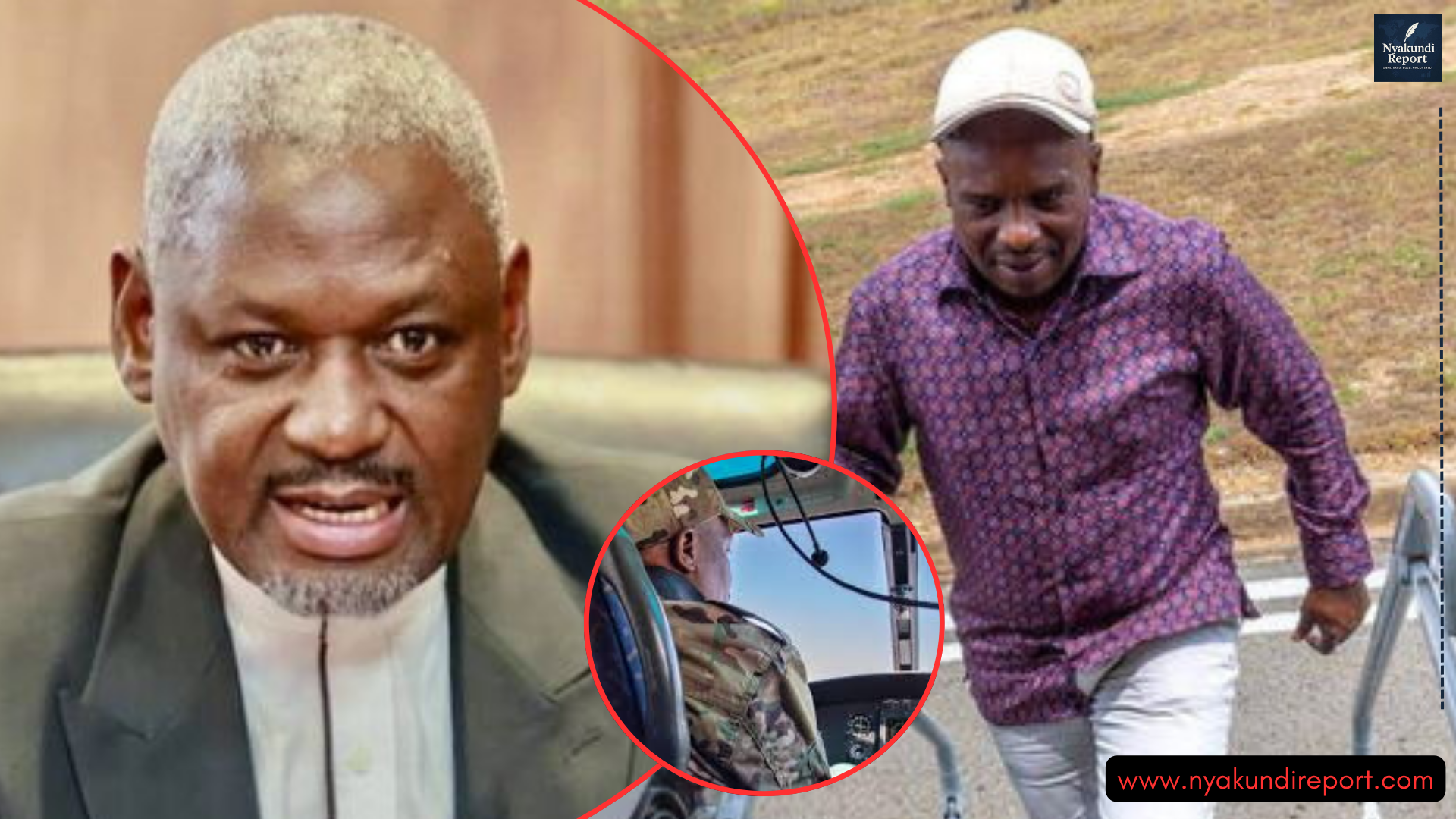













A foreign government is operating inside Kenya. Tanzania’s administration, angered by critical on-air commentary from Radio 47’s Maskani 47 hosts Billy Miya and Mbaruk Mwalimu, has allegedly bankrolled a Kenyan insider with Ksh150 million to track the two journalists using their vehicle number plates.
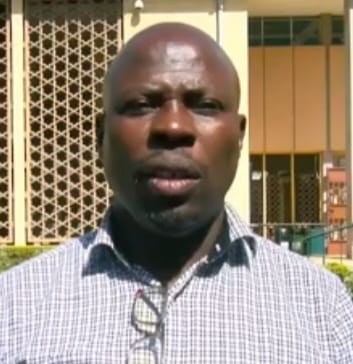
Billy has now gone public with these claims, naming the Tanzanian government directly, accusing it of running a surveillance operation on Kenyan soil. Kenya’s intelligence and security agencies have said nothing. That silence demands an answer.
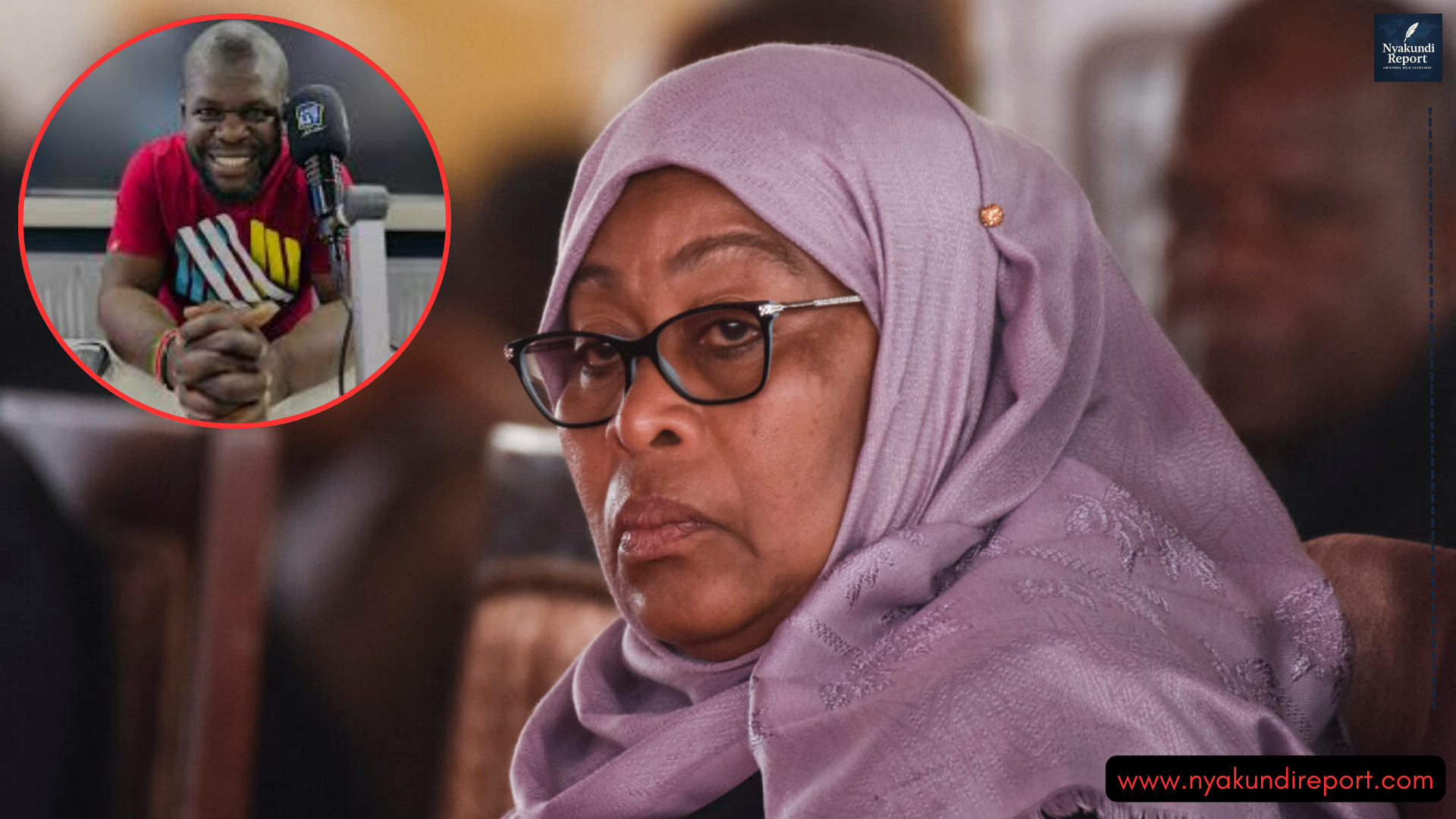
Samia Suluhu Threats Cross Into Kenya as Radio 47 Journalists Face an Alleged Government Hunting Operation
Billy Miya did not mince his words. He told the public that Tanzania is personally hunting him and his co-host, Mbaruk Mwalimu, because of their critical coverage of President Samia Suluhu Hassan’s administration on Maskani 47, their popular Radio 47 programme.
Billy says the operation goes beyond external pressure. He alleges that someone inside their own workplace accepted money from the Tanzanian government to expose sensitive information about the two journalists.
The Tanzanian Government Allegedly Paid a Kenyan Insider Ksh150 Million to Track the Journalists
“They have used an insider in the office, who gave us Ksh150 million, so that they could disclose our number plates to make it easier for the Tanzanian government to track us,” Billy stated publicly.
That is not a vague threat. That is a coordinated, intelligence-style operation allegedly run by a foreign government—inside Kenya—targeting Kenyan-based journalists for doing their jobs.
Billy made his position on the matter equally clear: “We say let them come. A journalist is not a criminal.”
The two hosts built a loyal and large East African audience through their willingness to speak openly about regional politics, including uncomfortable truths about Tanzania’s government. Billy says that is precisely what triggered the alleged crackdown.
“Tanzania is hunting me personally and my co-presenter, meaning they don’t like how we work and they don’t like how we tell the truth,” he said.
Tanzania Has a Documented History of Crushing Press Freedom
These allegations do not exist in a vacuum. Tanzania has one of the most hostile records against journalists in the region, and 2025 made that brutally clear.
During the October 2025 general elections, authorities deployed a multi-pronged assault against the press. Journalists faced targeted violence, arbitrary arrests, digital blackouts, and a deliberately opaque accreditation system designed to freeze out critical reporters. The crackdown, which intensified around the 29 October vote and the protests that followed, killed at least three journalists and left many more imprisoned.
Globally, Tanzania ranks 95th out of 180 countries in the 2025 World Press Freedom Index published by Reporters Without Borders, scoring 53.68 — a figure that reflects a government deeply uncomfortable with scrutiny.
Billy himself characterized the Tanzanian administration as a totalitarian regime that was never genuinely elected by the people and one that he alleges has historically stolen from and killed its own citizens. These are serious charges. But Tanzania’s own actions against journalists give those charges significant weight.
Kenya’s Intelligence and Security Apparatus Has Stayed Dangerously Silent
Here is the question that nobody in authority appears willing to answer: How does a foreign government allegedly run a Ksh150 million operation inside Kenya to track Kenyan-based journalists—and Kenya’s intelligence and security organs say absolutely nothing?
This is not a minor diplomatic spat. If Billy Miya’s allegations are accurate, the Tanzanian state infiltrated a Kenyan media house, compromised a member of staff, and used that access to build a surveillance profile on two journalists. That is a direct violation of Kenya’s sovereignty. It targets freedom of the press. It puts lives at risk.
The National Intelligence Service exists to detect and neutralize exactly this kind of foreign interference. The Directorate of Criminal Investigations has jurisdiction over organized criminal activity, including bribery and espionage. The government has a constitutional obligation to protect Kenyan citizens from threats—domestic and foreign alike.
Yet there has been no public statement. No investigation announced. No official acknowledgment that a foreign government may have paid an insider Ksh150 million to track Kenyan journalists on Kenyan soil.
Billy and Mbaruk’s earlier on-air shift—where they appeared to soften their criticism of Samia and even joked about campaigning for her—drew sharp public backlash. Commentator Dr. Cassypool publicly condemned what he called a blatant contradiction. Whether that shift reflected pressure, pragmatism, or something else entirely remains unclear.