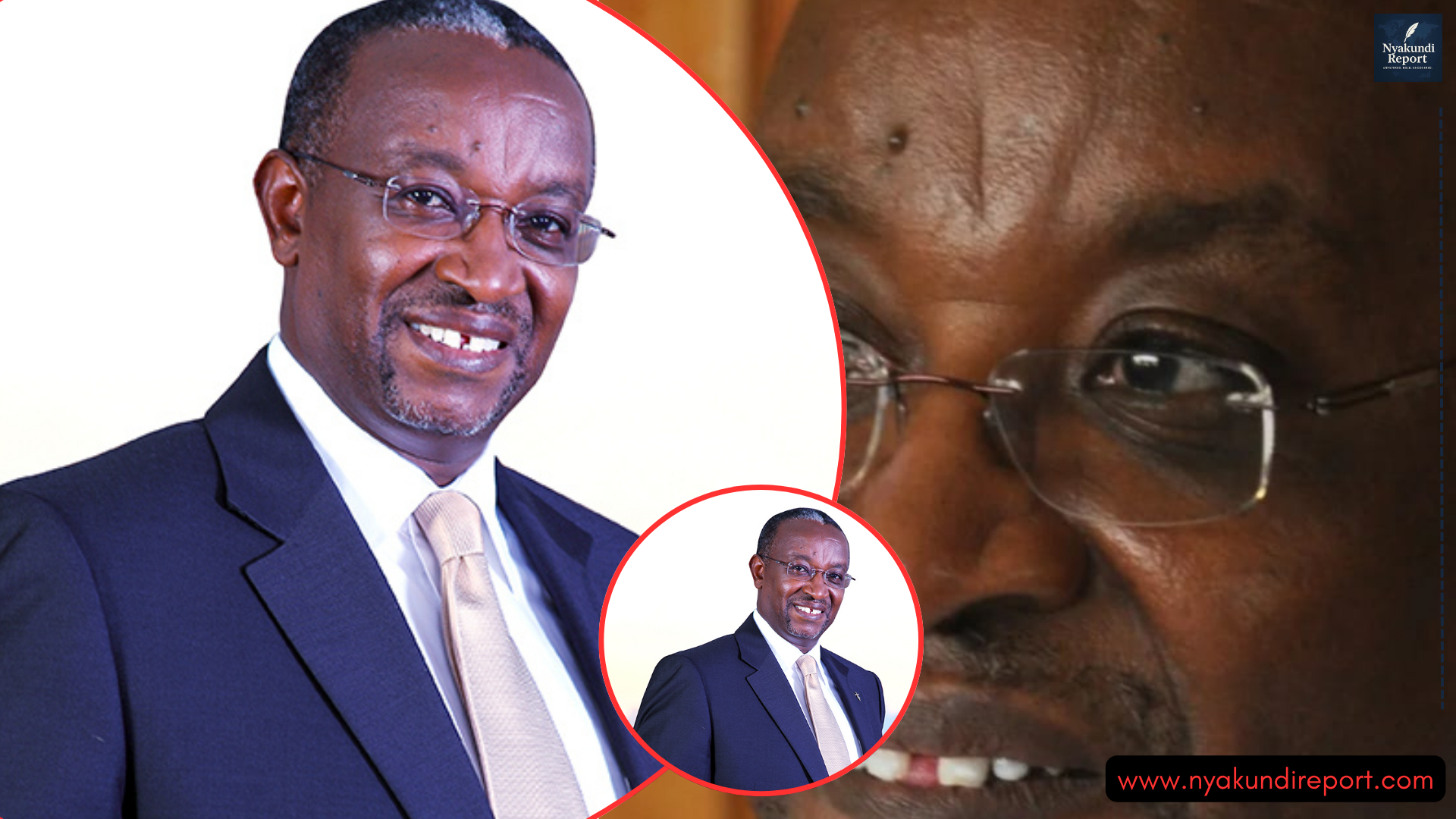


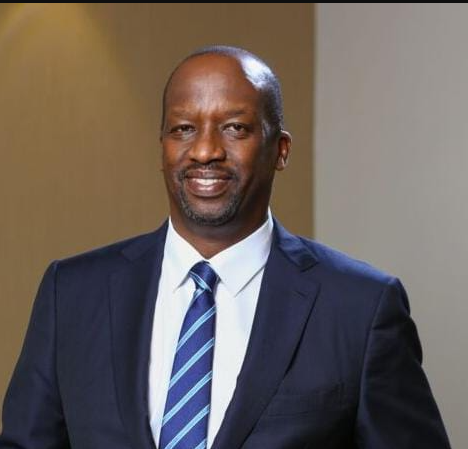

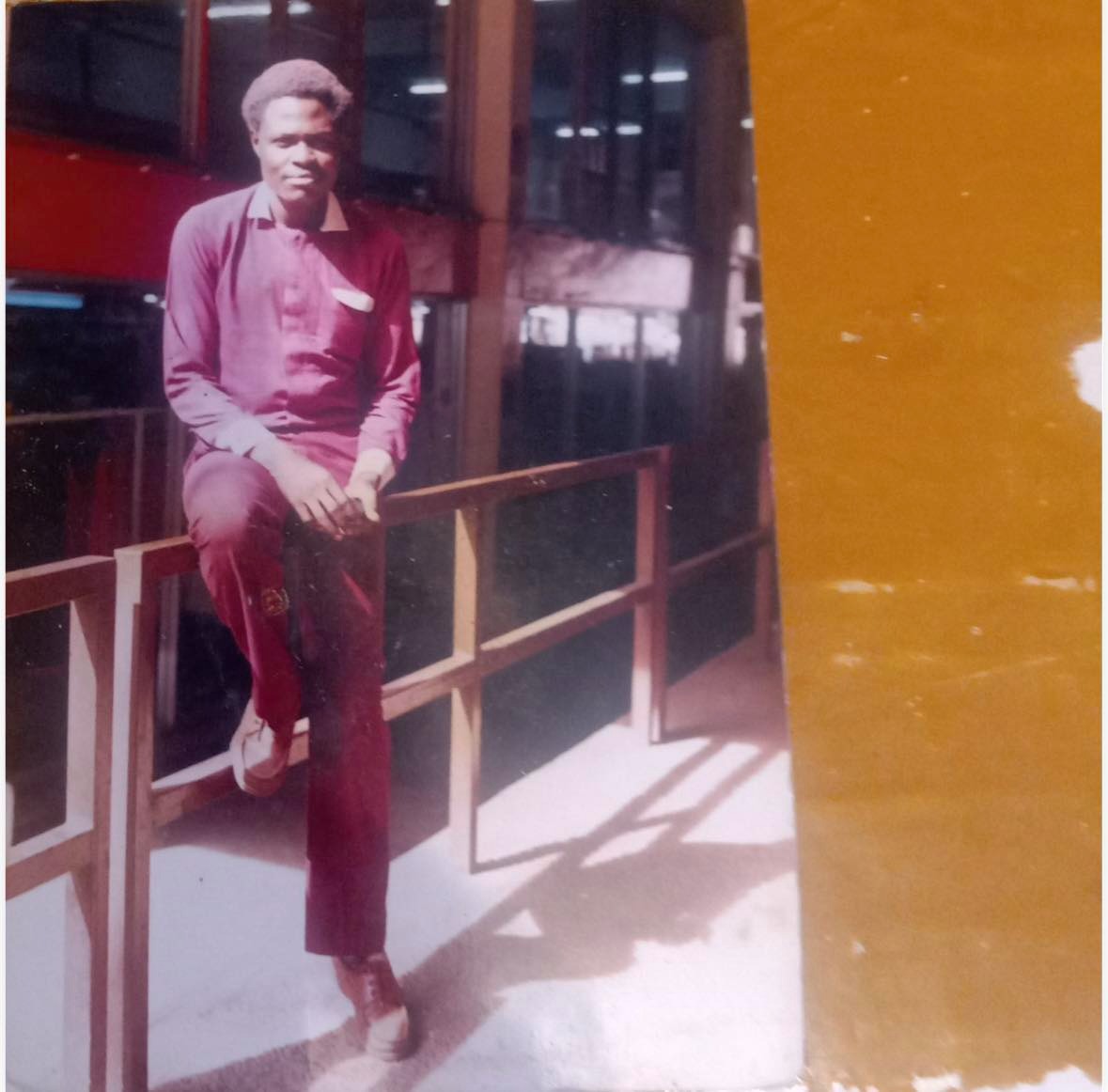








James Boro Karugu spent decades at the pinnacle of Kenya’s legal profession. As a former Attorney General, he understood the law better than most. Yet shortly after his death in November 2022, a crude and forensically discredited Will suddenly surfaced—supposedly authored by the man himself.
What followed was not a family disagreement. It was a calculated scheme to capture the late James Boro Karugu’s estate, orchestrated by a network of lawyers, company secretaries, and religious figures who chose escalation over accountability when forensic evidence exposed the forgery.
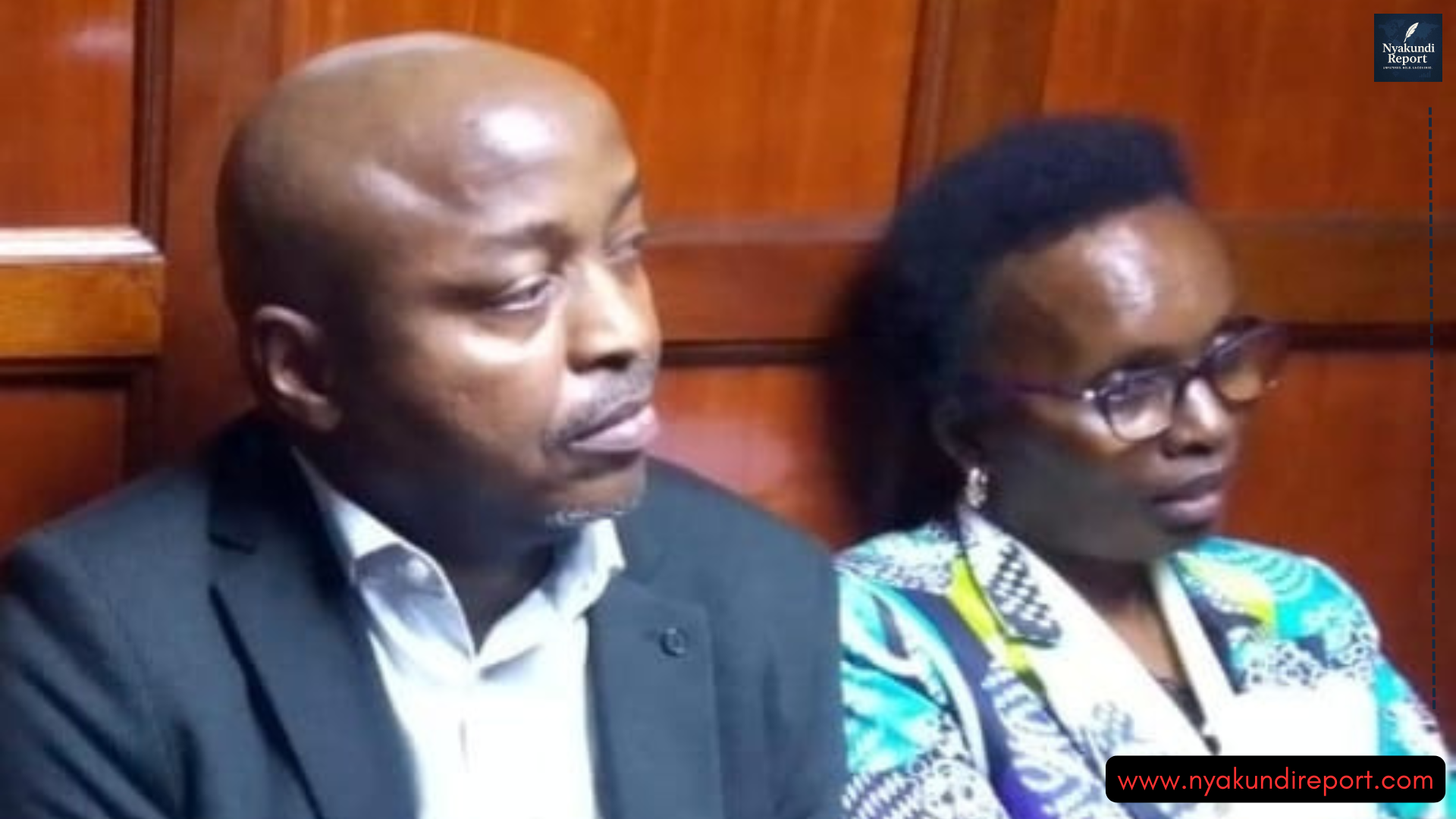
The Attempted Capture of Late James Boro Karugu Estate—A Scheme Built on Forged Documents and Deliberate Deception
James Boro Karugu was not a careless man. As a seasoned legal practitioner and former Attorney General, he knew precisely how testamentary documents should be prepared, signed, and safeguarded. That is what makes what happened after his death so striking—and so deeply suspicious.
Within weeks of his passing, Jane Kabiu, a former company secretary with deep access to his business affairs, claimed custody of a purported Will dated April 2, 2014, and a related Trust Deed. She did not obtain these documents from the deceased’s known legal advisors. No verifiable chain of custody existed. Instead, she theatrically unveiled them at a staged handover meeting in Kiambu, where a pre-arranged cast of actors stood waiting.
How the Conspirators Assembled the Scheme and Positioned Themselves as Executors
At that Kiambu meeting, Peter Gachuhi, Kimani Richu, and Reverend Joshua Kimani presented themselves as executors of the estate. Eric Mwaura Karugu, the deceased’s son, aligned himself with the group. Behind them, Fred Ojiambo and the institutional machinery of Kaplan & Stratton—one of Kenya’s most established law firms—provided critical backing.
This was not the deceased’s natural circle of trusted advisors. These actors had assembled a pre-arranged network with a single common objective—to seize control of the estate before anyone could ask difficult questions.
The inconsistencies surfaced immediately. The circumstances surrounding the will’s discovery were unsupported and suspicious. The witnesses named in the document maintained close links to the very people promoting it. Most critically, Peter Gachuhi and Kaplan & Stratton kept physical control of the original Will, never allowing it to be independently secured or verified.
Jane Kabiu introduced the documents and claimed custody. Peter Gachuhi pushed their validity aggressively. Kaplan & Stratton, with Fred Ojiambo operating as a senior figure, provided the institutional weight that gave the scheme a dangerous veneer of professional legitimacy. Kimani Richu and Joshua Kimani reinforced the executor narrative and anchored the operation firmly within the court process.
How Forensic Evidence Exposed the Forgery—and Why the Conspirators Escalated Anyway
In June 2023, the scheme began to collapse. A DCI investigation established definitively that the signature on the Will did not belong to James Boro Karugu. This was not a disputed opinion or a preliminary finding—investigators had produced conclusive forensic evidence of forgery.
At that moment, Peter Gachuhi, Fred Ojiambo, and their associates faced a clear and unambiguous choice. They could withdraw the forged document and face the legal consequences. Instead, they chose to escalate.
In early July 2023, immediately after receiving the forensic findings, Peter Gachuhi, Eliud Gatambia, and Joshua Kimani filed a Petition for Grant of Probate. This was a calculated legal maneuver. They designed it to wrap a forged instrument in judicial legitimacy and drag the matter away from criminal investigation into the slower, murkier terrain of succession litigation. The petition deliberately concealed both the existence of the DCI investigation and its damning findings, directly misleading the court.
Simultaneously, Kaplan & Stratton issued correspondence asserting that Gachuhi, Richu, and Kimani held valid executor authority over estate assets—and they did this with no grant of probate in place and in direct contradiction of an active criminal investigation.
When investigators demanded the original Will, the conspirators responded with delay and dishonesty. They falsely claimed the document sat under court authority. When the Will finally reached investigators, forensic analysis confirmed everything—extensive fabrication, forged initials, and deliberate manipulation of the attestation page.

How the Conspirators Tried to Block Justice and Shield Themselves From Prosecution
Even after forensic analysis destroyed their position, the conspirators refused to stop. Peter Gachuhi, Fred Ojiambo, Kaplan & Stratton, Jane Kabiu, Kimani Richu, and Joshua Kimani wrote to the Director of Public Prosecutions demanding a halt to prosecution. They proposed subjecting the documents to fresh expert analysis, despite conclusive findings already sitting on the record. They filed constitutional petitions to block arrest and prosecution, deliberately misrepresenting facts and suppressing key evidence.
The record leaves no room for alternative interpretation. This was not a family dispute. It was not a succession technicality or a disagreement among siblings. These actors assembled a structured scheme, introduced forged documents, defended them aggressively, and litigated them persistently in a deliberate attempt to manufacture legal legitimacy over an estate they had no rightful claim to.
The Will was forged. The Trust was fabricated. Peter Gachuhi, Fred Ojiambo, Kaplan & Stratton, Jane Kabiu, Kimani Richu, and Joshua Kimani all advanced and defended those documents with full knowledge of their defects.
This was not a mistake or an oversight. It was a coordinated attempt to capture the late James Boro Karugu estate—and it failed because the conspirators overreached, over-defended, and exposed themselves completely. The law must now respond with the full force it commands.