






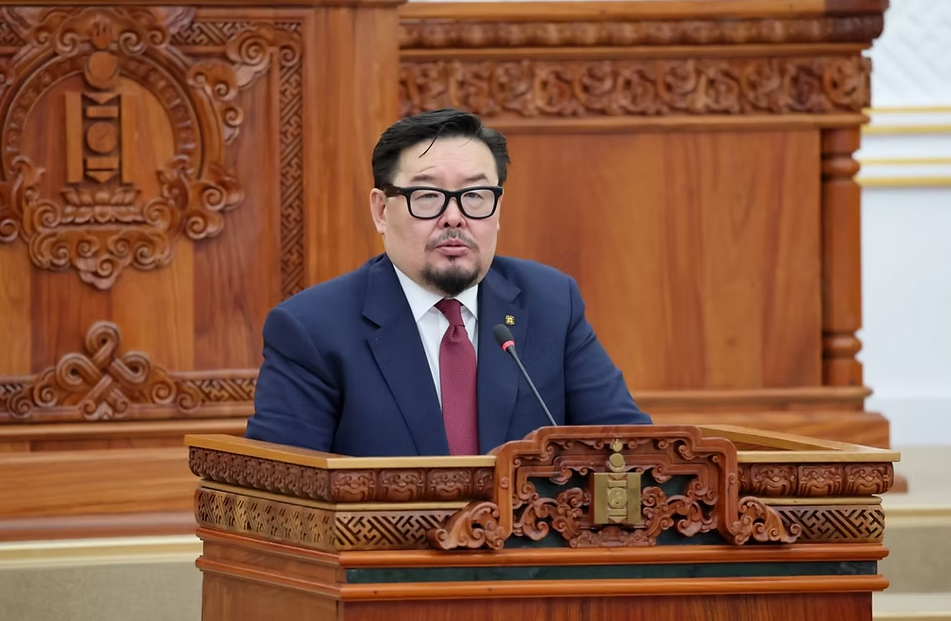
Mongolia’s Prime Minister Gombojav Zandanshatar has resigned after months of political upheaval, deepening uncertainty in the landlocked nation’s young democracy.
Why did he step down?
Zandanshatar, in office for about nine months, said he was leaving “at a challenging time” and framed his exit as a voluntary decision to avoid further paralysis.
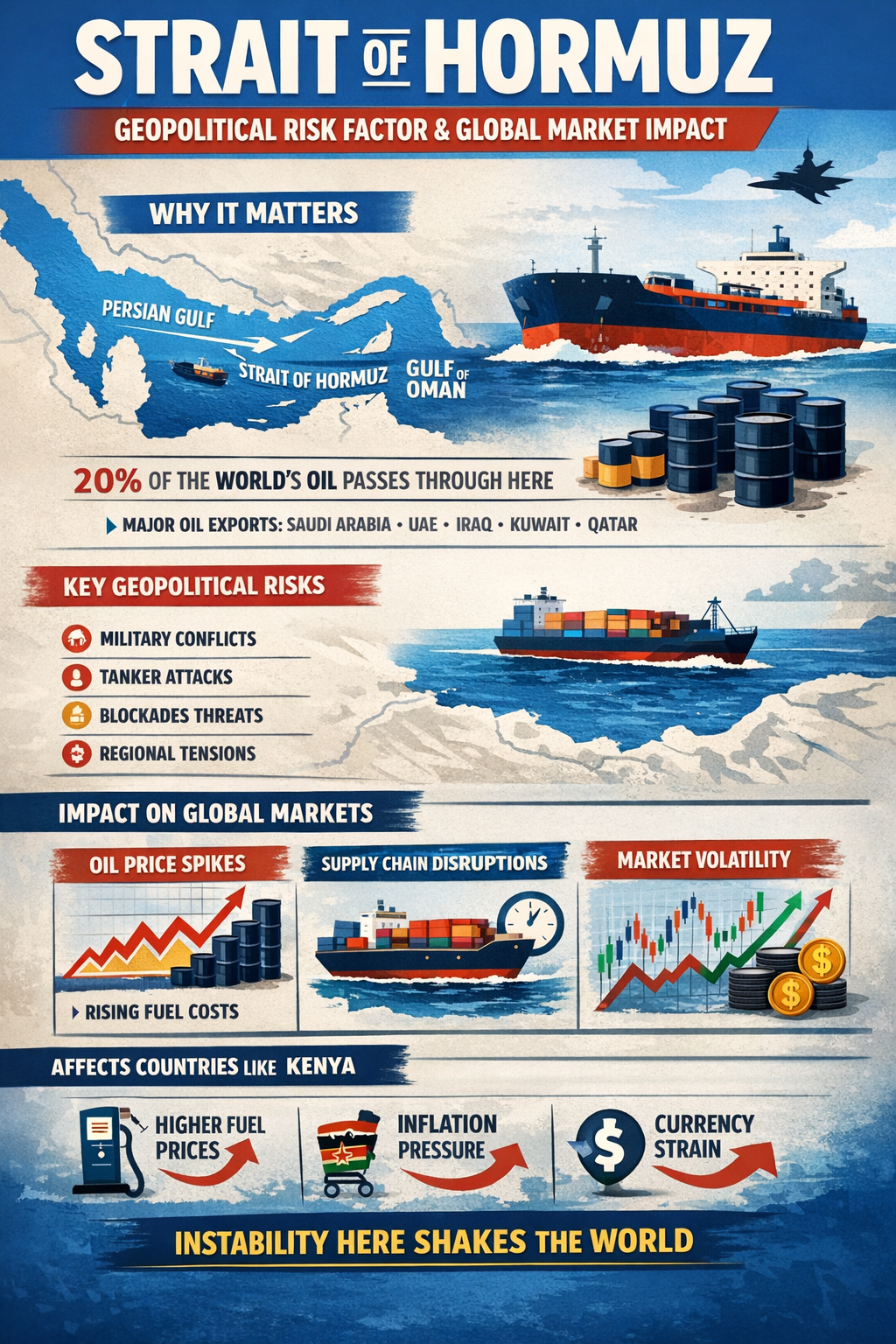
He warned that global geopolitical tensions and rising oil prices were driving up living costs in Mongolia and argued the country could not afford more political deadlock.
His resignation comes against a backdrop of internal friction within the ruling Mongolian People’s Party (MPP) and a boycott of parliament by the opposition Democratic Party.
Months of upheaval
Since the State Great Khural’s spring session opened on 16 March, Democratic Party MPs have refused to attend sittings in protest at speaker Uchral Nyam‑Osor, a key MPP figure and close ally of Zandanshatar.
The opposition accuses Uchral of corruption and says a senior ruling party leader should not preside over the legislature.
Additionally, arguing that power has become too concentrated in the MPP’s hands.
The boycott has disrupted parliamentary business, delayed legislation, and fuelled public frustration over political infighting on top of economic pressures.
What happens next
Parliament has 30 days to appoint a new prime minister, and Uchral Nyam‑Osor is widely expected to be nominated by the MPP to succeed Zandanshatar.
Lawmakers have already accepted the resignation, clearing the way for coalition talks and a leadership vote in the chamber.
The transition will be closely watched by international partners and investors, given Mongolia’s strategic location between Russia and China and its reliance on commodity exports.
Whether a new premier can calm tensions and bring the opposition back into the House.
And steady the economy will determine if this resignation draws a line under the crisis or marks the start of deeper instability in Ulaanbaatar.
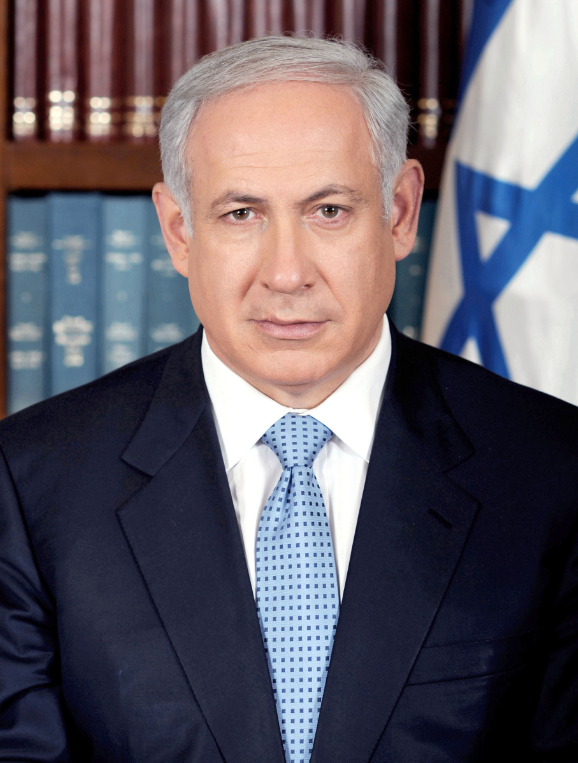
ALSO READ: Benjamin Netanyahu: Israel’s Longest-Serving and Most Controversial Prime Minister


