






























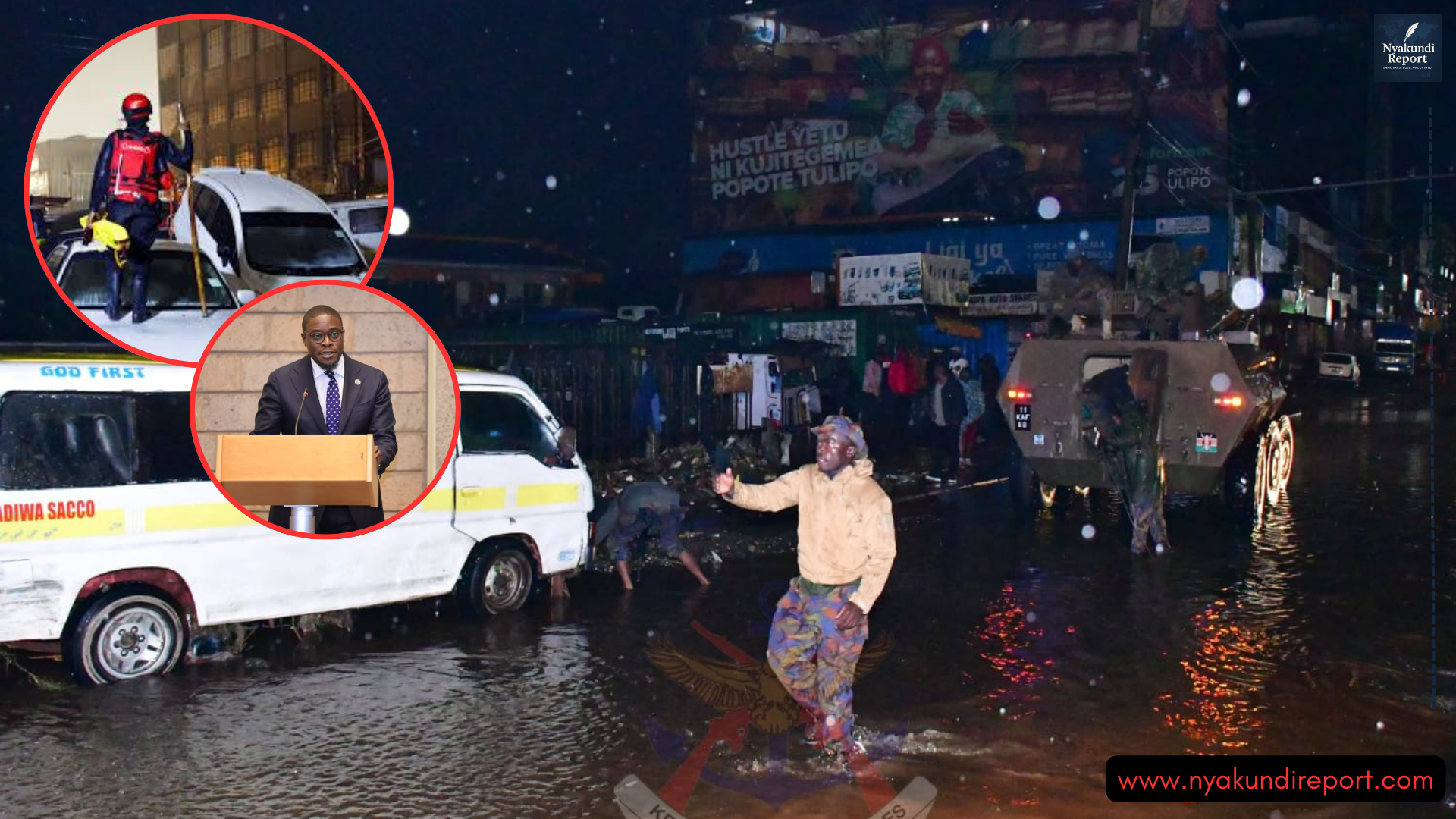
Heavy overnight rains that pounded the capital on Friday, March 6, triggered widespread Nairobi floods, submerging roads, flooding homes, and disrupting transport across several neighbourhoods.
As the crisis unfolded, Johnson Sakaja, the governor of Nairobi, activated a countywide emergency response to assist affected residents and prevent further damage. County disaster teams, emergency crews, and road maintenance units moved quickly into flood-hit areas to begin rescue and mitigation operations.
At the same time, the governor appealed for additional national support as the scale of the disaster became clear. The national government has since deployed military personnel and a multi-agency response team to reinforce ongoing rescue and relief efforts.
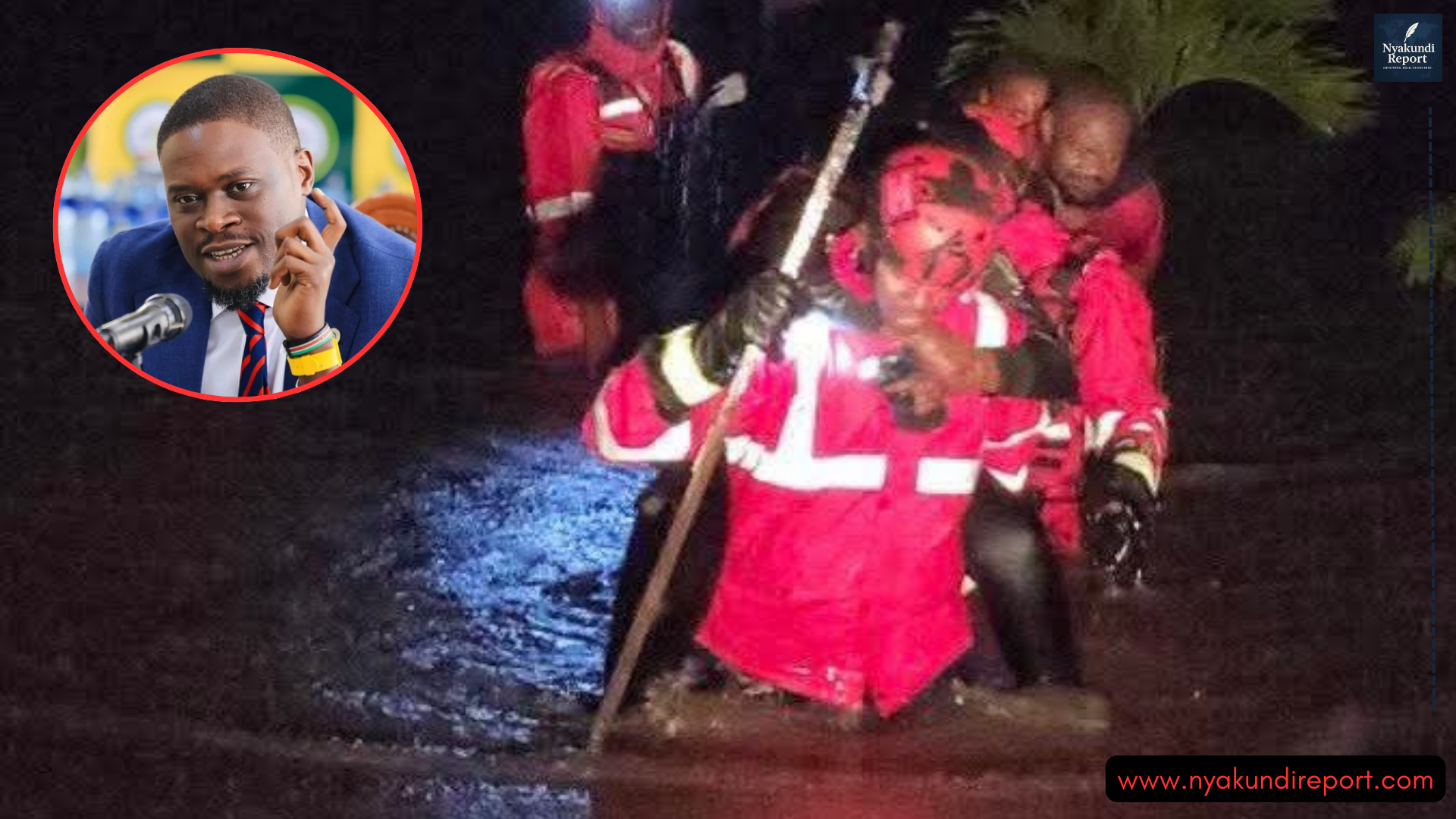
Nairobi Floods Trigger Emergency Response Across the Capital
Governor Johnson Sakaja confirmed that the county government had activated emergency response mechanisms immediately after heavy rainfall overwhelmed drainage systems in several parts of the city.
According to the county administration, the Nairobi City County Disaster Management and Risk Department mobilized personnel and equipment across the capital to respond to the rapidly developing situation.
The county also activated its Multi-Sectoral Disaster and Flood Mitigation Committee, a task force responsible for coordinating flood monitoring, rescue efforts, and emergency interventions.
Officials placed the committee on a 24-hour operational schedule to ensure rapid response to flood alerts, distress calls, and emerging hazards. The governor urged residents to remain vigilant and prioritize safety as rainfall continues in parts of the county.
He also asked Nairobians to use the county’s emergency hotlines to report incidents such as flooding, blocked drains, fallen trees, or damaged infrastructure.
County Deploys Emergency Teams and Equipment
To address the immediate impact of the Nairobi floods, Sakaja ordered the deployment of county emergency teams to several affected neighbourhoods. Rescue crews from the county’s fire and disaster management units moved into flood-prone areas to assess risks and help residents trapped by rising water.
The county also dispatched teams from the mobility and public works sector, including members of the well-known Green Army, to conduct emergency drainage operations. Workers began clearing blocked drains, removing debris, and opening up waterways in an effort to allow floodwaters to flow freely.
These teams operated across all 17 sub-counties, focusing on areas where clogged drainage systems had worsened flooding. County officials said rapid de-silting and debris removal were necessary to reduce the immediate risk to homes, businesses, and roads.
Authorities also began identifying flood hotspots where further emergency action may be required if rainfall persists.
Multi-Agency Teams Coordinate Rescue Operations
The scale of the Nairobi floods forced authorities to coordinate efforts with several national agencies.
A multi-agency response team, including the National Police Service and the Kenya Red Cross Society, joined county teams in rescue and relief operations.
These agencies helped coordinate field operations, evacuations, and emergency assistance for residents living in flood-prone zones.
Emergency responders also conducted risk assessments in neighbourhoods where homes and businesses had already begun flooding. At the same time, the county government identified several low-lying areas vulnerable to further flooding.
Authorities established temporary evacuation centres stocked with essential supplies to accommodate residents forced to leave their homes. County officials said the evacuation facilities aim to provide safe shelter for families displaced by rising water levels.
National Government Deploys Military to Support Nairobi Floods Response
As the disaster escalated, the national government stepped in to reinforce local response efforts. President William Ruto has ordered the immediate deployment of the Kenya Defence Forces to support rescue operations in Nairobi and other flood-affected regions.
The military will work alongside emergency responders to coordinate rescue missions, assist affected communities, and move residents from dangerous areas. The deployment forms part of a broader multi-agency emergency response operation led by the Ministry of Interior and National Administration.
Government officials said the joint operation aims to strengthen rescue and relief efforts while ensuring that people trapped in flooded areas receive assistance quickly.
President Ruto also expressed condolences to families affected by the disaster and reaffirmed the government’s commitment to protecting citizens and preventing further loss of life. The national government is now working closely with Nairobi City County officials to coordinate the ongoing response.
Nairobi Floods Expose Longstanding Infrastructure Challenges
The latest Nairobi floods have once again highlighted the capital’s ongoing struggle with drainage and urban planning challenges. Several neighbourhoods experienced severe flooding after drainage systems failed to cope with the sudden surge of rainwater.
Areas such as Nairobi West, South B, and South C reported extensive flooding that disrupted transport and forced some residents to abandon their homes. Motorists travelling along major roads, including sections of Uhuru Highway, encountered significant delays after floodwaters submerged parts of the busy corridor.
In Kilimani and parts of the central business district, heavy runoff turned streets into flowing streams, forcing commuters to wade through water as traffic stalled.
Residents in South C also reported floodwater entering homes after nearby drainage channels overflowed.
The situation sparked frustration among many city residents, who blamed poor drainage maintenance and rapid urban development for worsening flood risks.
Critics argue that blocked drains, poor garbage collection, and unchecked construction have left the capital increasingly vulnerable whenever heavy rains strike.
Some residents also accused the county government of responding only after disasters occur rather than implementing long-term flood prevention strategies.
Authorities Urge Nairobi Residents to Stay Safe During Floods
Even as emergency operations continue, authorities have warned residents to take extra precautions during the ongoing rainfall. County officials urged motorists and pedestrians to avoid attempting to cross flooded roads or bridges, noting that strong water currents can easily sweep vehicles away.
Residents were also advised to stay away from downed power lines during storms and report dangerous situations immediately.
Emergency teams remain on standby across the city as meteorological forecasts warn that additional rainfall may continue in the coming days.
For now, the combined response from county authorities, national agencies, and military units will play a critical role in protecting lives and stabilizing conditions in the capital.
As the city confronts yet another severe weather emergency, the effectiveness of these interventions will likely shape public confidence in how leaders manage disasters in Kenya’s rapidly growing capital.