
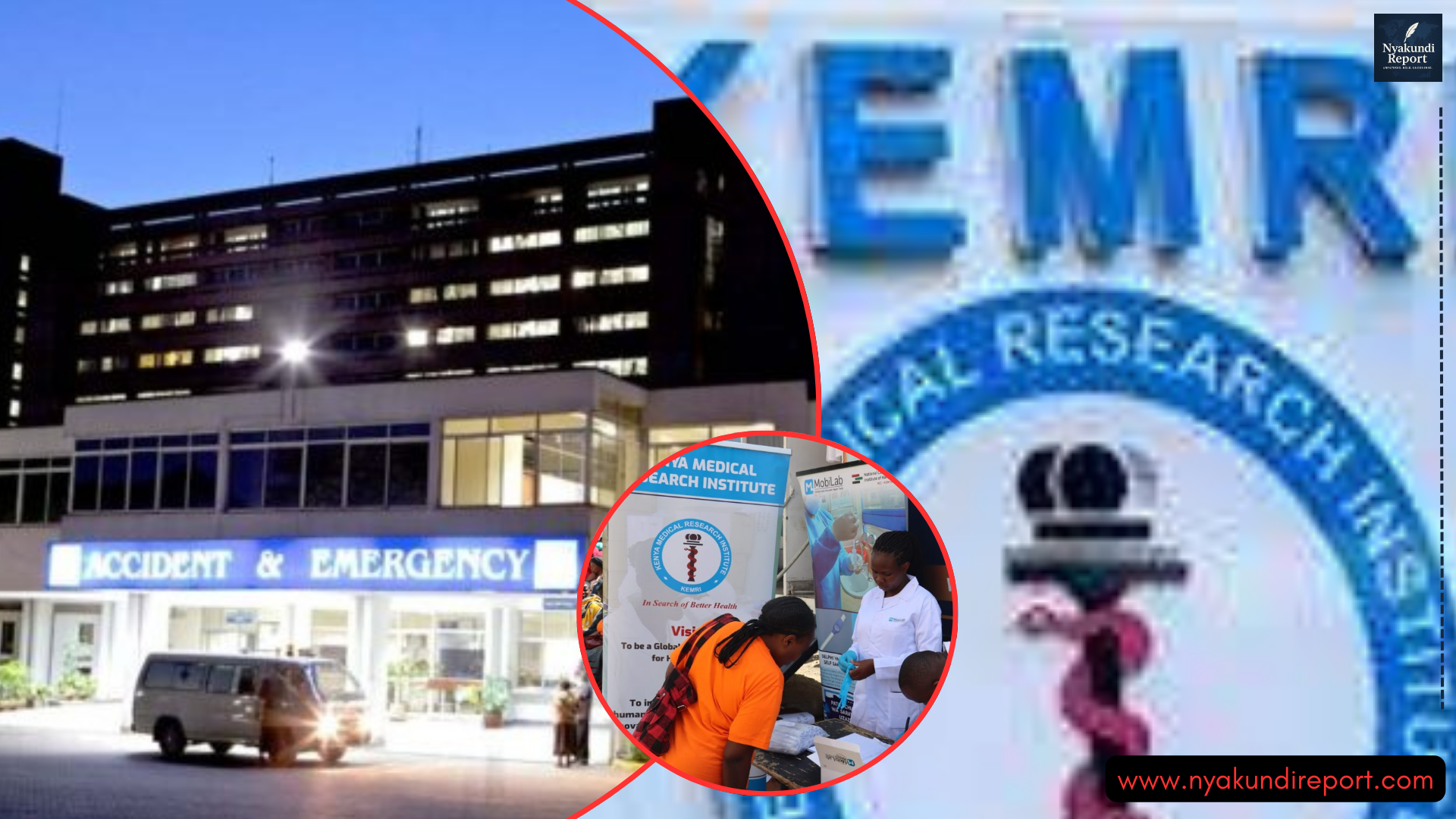
























Reports from students at the Kenya Medical Training College (KMTC) Ndhiwa campus have exposed a series of troubling issues, including chronic absenteeism among lecturers, operational failures, and disengaged campus leadership, which collectively undermines the mandate to produce competent healthcare professionals, while also calling into question professional standards, academic oversight, and the capacity of the institution to provide structured, supervised training that equips students with the practical skills required for effective healthcare delivery.
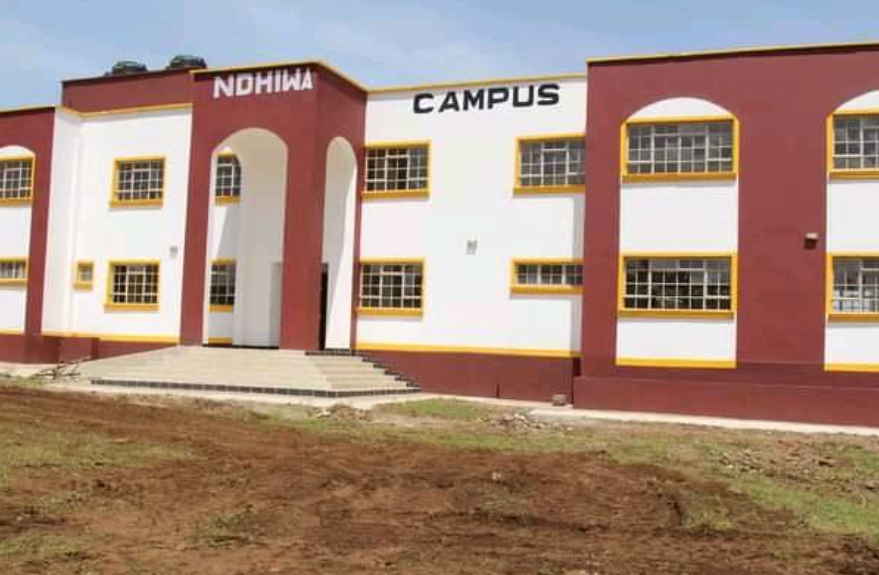
Students report that a majority of lecturers fail to conduct classes as scheduled, frequently absent from the campus while delivering lectures in other institutions.
This pattern of absenteeism has left students without proper instruction or guidance, undermining the practical-heavy training model that KMTC maintains, where 70% of learning is intended to be hands-on and clinical.
Core assessments such as class tests (CATS) are either not administered, left unmarked, or returned without timely feedback, leaving students unprepared for end-of-semester examinations conducted centrally by KMTC headquarters.
Leadership at the campus has also come under criticism.
The principal is described as largely absent, appearing on campus only when government officials or politicians are present, while day-to-day administrative oversight is minimal.
Staff are reportedly prioritizing personal engagements over student training, drawing regular salaries funded by taxpayers while students are left without structured instruction or support.
Beyond academic neglect, serious concerns have been raised regarding student safety and professional ethics.
Reports indicate inappropriate behavior toward female students, creating a hostile and unsafe environment that compromises both the dignity and welfare of those enrolled.
These issues reflect a failure to uphold the standards expected of a premier medical training institution, raising questions about accountability and oversight.
The consequences of such management lapses extend beyond the campus.
KMTC Ndhiwa trains future nurses, clinical officers, pharmacy technicians, and other healthcare professionals, whose competence directly impacts the quality of healthcare delivery across Kenya.
Students left undertrained or inadequately supervised risk entering the workforce without the skills required to meet the country’s health demands, threatening public health outcomes and the reputation of the national healthcare training system.
The situation calls for urgent investigation by the Ministry of Health, KMTC headquarters, and relevant oversight bodies to ensure compliance with teaching standards, institutional governance, and student protection.
“Cyprian. Hide my ID. Help me expose this. There is this KMTC branch in Ndhiwa. Led by Bruce, the school principals, the lecturers in that school don’t teach or attend classes. Rather, they go about lecturing in other institutions and half-bake the students in KMTC who look up to them. Also, they mess around with the female students at will. The school principal, who is also very arrogant, only shows up when government officials or politicians are around. They don’t even give CATS, and the few given are never marked or feedback not given in time. All they do is report, buy time, and wait for the end-of-semester exam from KMTC HQ as they gobble taxpayers’ money as monthly salary. And this is how we end up with incompetent medics.”