































The World Trade Organization (WTO) has delivered a sharply contrasting outlook for global commerce.
Therefore, dramatically raising its forecast for merchandise trade growth in 2025 while simultaneously issuing a dire warning by slashing the projection for 2026.
The unexpected surge this year driven by a rush to beat impending tariffs and explosive demand for AI technology, is predicted to unwind.
With the full, detrimental impact of rising protectionism and trade policy uncertainty set to hit hard next year.
In its latest Global Trade Outlook and Statistics report, the WTO upgraded its forecast for 2025 goods trade volume growth to 2.4%, a significant jump from an earlier, more subdued estimate.
However, the optimism is short-lived.
The forecast for 2026 has been drastically cut to just 0.5% growth, down sharply from the previous 1.8% projection.
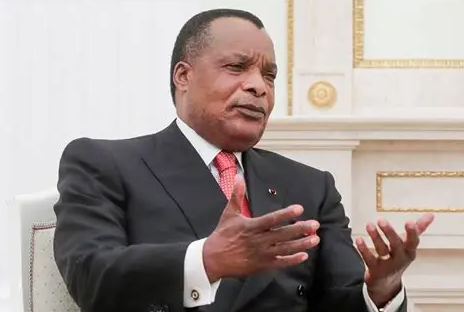
The message from WTO Director-General Ngozi Okonjo-Iweala is clear: the tariff time bomb has merely been delayed, not defused.
2025: The Unexpected Trade Lifelines
The resilient performance of global trade in the first half of 2025, which saw volume growth of nearly 5% year-on-year, can be attributed to two main, temporary drivers
The “Front-Loading” Phenomenon
Importers, particularly in North America, accelerated their purchases in the first half of the year to bring in goods.
Including machinery, vehicles, and durable items, before new and expected higher tariffs came into effect.
This created a temporary spike in import volumes that will dissipate as inventories are drawn down in 2026.
The AI Boom
Massive global spending on artificial intelligence infrastructure has been a “central driver” of trade expansion.
Trade in AI-related goods, which include semiconductors, servers, and telecommunications equipment.
Also, surged by over 20%, accounting for nearly half of the overall trade growth observed in the first six months of 2025.
2026: The Delayed Tariff Hit
The stark downward revision for 2026 reflects the delayed but inevitable effect of intensified protectionist policies, primarily driven by US tariff policies targeting key trading partners.
According to the WTO, the full force of these measures will only be felt next year as the front-loading effect reverses and accumulated inventories are consumed.
WTO Director-General Ngozi Okonjo-Iweala warned that “higher tariffs over time will weigh on trade.”
And that the “shadow of tariff uncertainty continues to weigh heavily on business confidence, investment and supply chains.”
Key takeaways for the 2026 slowdown include:
Inventory Correction: The surge of imports that rushed in during 2025 will lead to a period of inventory drawdown, reducing the need for new imports in 2026.
Wider Economic Slowdown: The tariff uncertainty and direct cost increase are expected to slow global GDP growth, forecast to ease slightly from 2.7% in 2025 to 2.6% in 2026, which naturally depresses demand for traded goods.
Regional Impact: While most regions will see weaker import performance, the impact is expected to be most pronounced in economies at the centre of trade tensions, reflecting a shift in supply chains and trade reorientation.
The Resilience of the Trading System
Despite the gloomy outlook for next year, the WTO report highlighted the resilience of the multilateral trading system.
Director-General Okonjo-Iweala emphasized that while unilateral measures are creating turbulence, a “core” group of economies continues to provide stability.
Also, noting that the vast majority of world commerce is still conducted under existing WTO rules.
However, the findings serve as an urgent call for governments to prioritize multilateral cooperation.
The growing reliance on unilateral tariffs and bilateral agreements over the established rules-based system poses a significant challenge.
Indeed, a tangible threat to the stability and predictability that global businesses need to invest and grow.
ALSO READ: KRA Launches eRITS: A New Digital System to Streamline Landlord Taxes


