











President Samia Suluhu’s government is under global scrutiny after CNN aired a disturbing exposé by Kenyan journalist Larry Madowo on post-election deaths in Tanzania.
The broadcast detailed alleged police killings, mass graves, and a harsh crackdown on protesters. Within hours, the Tanzanian government hit back with a fierce defence, accusing CNN of bias, unethical reporting, and using unverified social media footage.
This new media clash, now linked to regional political tensions, has raised big questions about transparency, foreign reporting, and government control, becoming a major talking point in discussions around the Kenya Pipeline Deal.
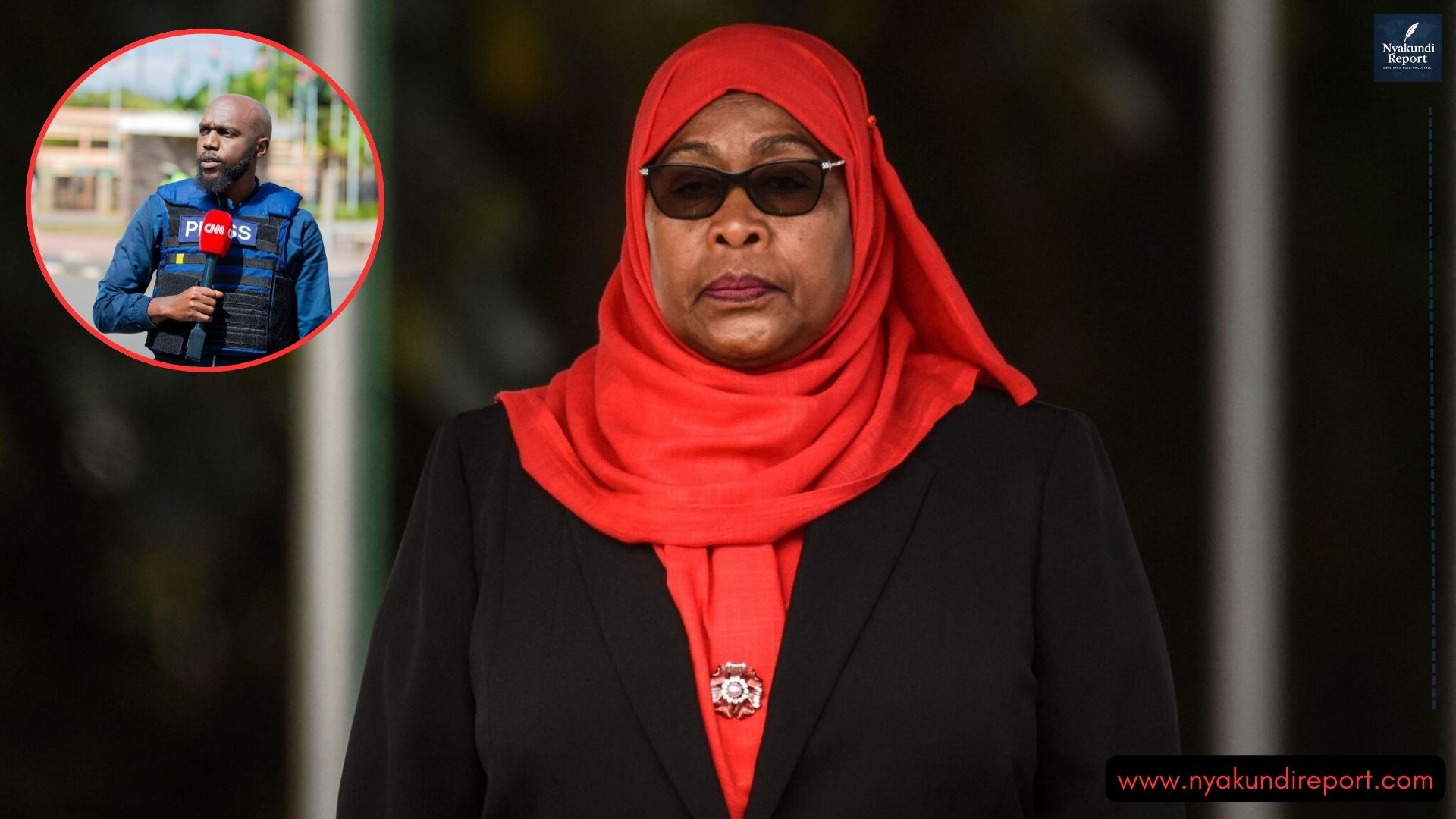
Larry Madowo Exposé Raises Questions Over Truth and Accountability
The Larry Madowo exposé triggered intense debate over the state of press freedom in Tanzania, the conduct of security agencies during the chaotic elections, and the responsibility of global media houses. Madowo’s documentary highlighted claims of police shootings of unarmed citizens and raised questions about alleged mass graves. These accusations struck a raw nerve within President Suluhu’s administration, prompting a rapid and fiery pushback.
Government spokesperson Gerson Msigwa led the counter-attack. He accused CNN of relying on social media clips and satellite images instead of verified facts. He argued that the broadcaster aired stories without giving the government a chance to respond, creating what he described as a distorted and misleading global narrative.
According to Msigwa, the Tanzanian government operates transparently and expects international journalists to respect professional ethics. He insisted that foreign reporters are free to work in Tanzania but must follow the country’s journalism guidelines.
His statement came shortly after Madowo revealed he was previously denied accreditation to report on the elections, a claim that reignited debate over whether Tanzania selectively restricts foreign press access.
Suluhu Claims CNN Tarnished Tanzania’s Image with Larry Madowo Exposé
The government claims the Larry Madowo exposé damaged Tanzania’s international reputation at a sensitive moment. Msigwa argued that CNN focused on sensational images and ignored context. He further accused unnamed journalists of depending heavily on social media videos without verifying their authenticity.
He told reporters that this behaviour was “a very big mistake” and insisted the government expects accuracy and fairness. He praised local Tanzanian media for what he called responsible reporting, suggesting that foreign media have an agenda to destabilise the country.
His remarks align with a broader pattern seen in recent months, where leaders blame foreign entities for internal unrest. The administration now finds itself balancing between asserting sovereignty and responding to global scrutiny over alleged human rights abuses.
Streets in Turmoil After Election Disputes Despite Pushback on CNN Exposé
While the government condemned the Larry Madowo exposé, unrest continued to sweep across Tanzania. Since the disputed October 29 election, protests erupted in several major towns, with opposition leaders alleging electoral manipulation. Hundreds of supporters now face treason charges. Civil society groups have raised concern about the scale of arrests and the force used against demonstrators.
Reports from activists, videos shared online, and eyewitness accounts show widespread tension. The documentary’s claims about police shootings reinforced frustration among citizens who believe accountability has been lacking. The government denied the mass grave allegations and described them as part of a coordinated attack against the state.
To calm the rising pressure, the government established a Commission of Inquiry chaired by retired Chief Justice Mohamed Chande to investigate the unrest. Critics, however, fear the commission may lack independence. They argue that without external oversight, investigations may fail to uncover the full truth.
Public Support for Journalist Grows Despite Attacks by Government
Despite the strong government backlash, Larry Madowo received unexpected support from Tanzanians on social media. An online campaign saw citizens changing their profile photos to his picture in solidarity. Many praised him for highlighting issues they believe local reporters are too intimidated to cover.
This surge of sympathy shows a widening divide between state messaging and public sentiment. It also reveals the growing role of digital activism in shaping political narratives in Tanzania. Younger Tanzanians, in particular, appear frustrated with censorship and hungry for independent reporting.
The confrontation has now gained regional attention. Human rights groups in East Africa say the unfolding drama underscores the shrinking space for journalism in the region. They warn that government anger directed at foreign media may create a chilling effect on reporters seeking to investigate sensitive issues.