
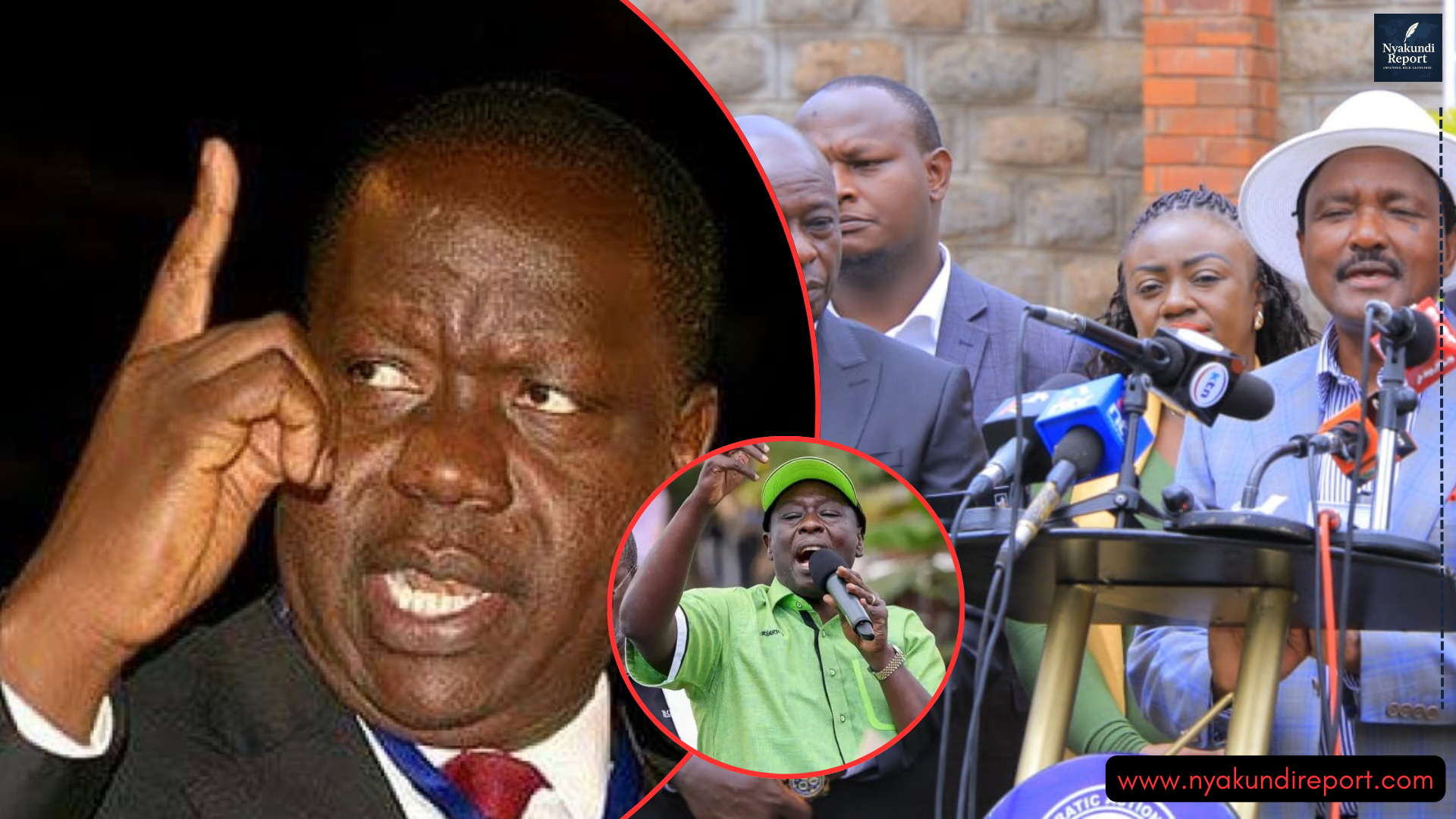








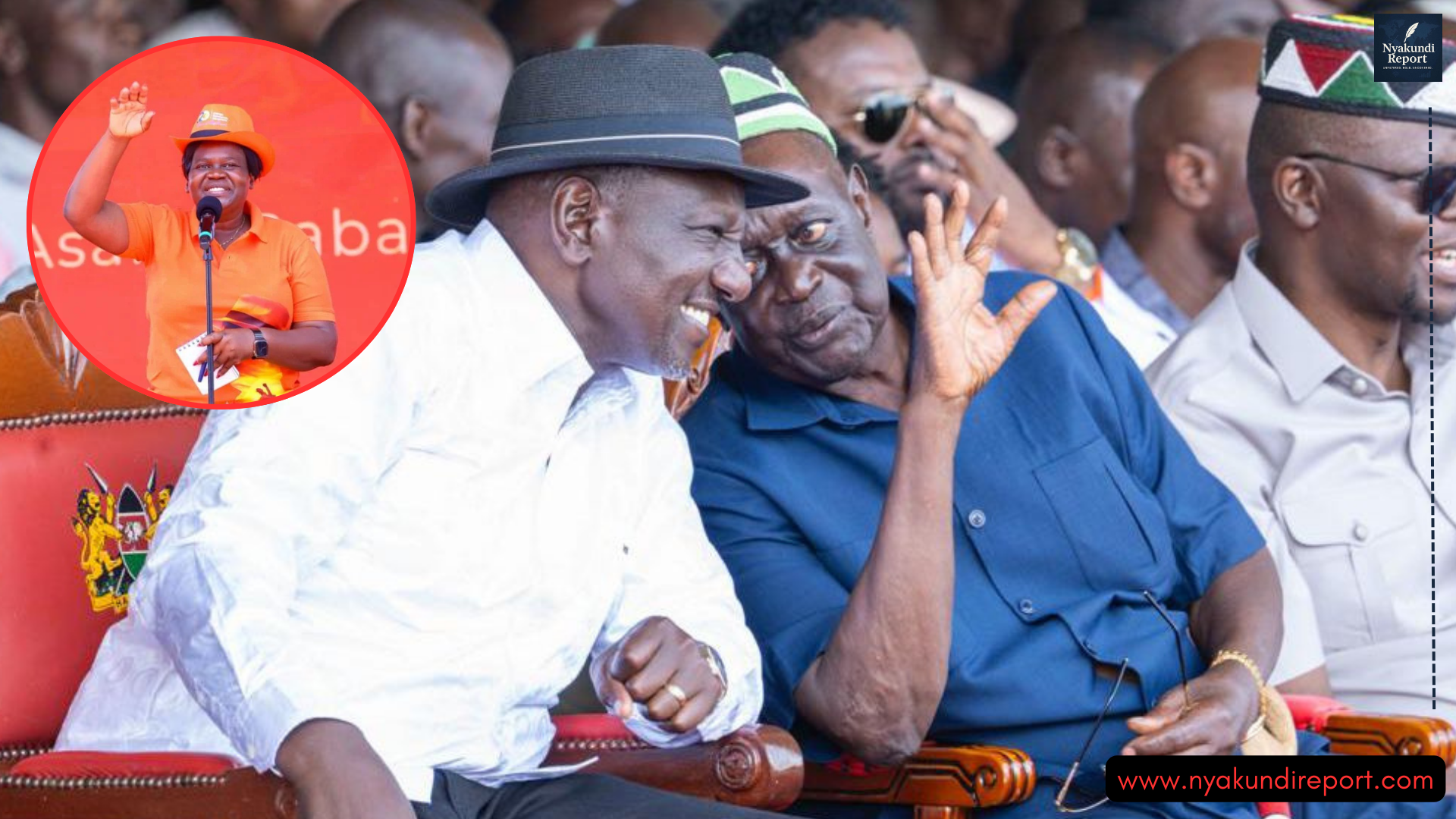
Reports that a faction of the Orange Democratic Movement led by interim party leader Oburu Odinga is demanding Kshs 15 billion from President William Ruto have sent shockwaves through Kenya’s political establishment.
Oburu has formally forwarded a Sh15 billion budget to State House to bankroll an aggressive political realignment between ODM and the United Democratic Alliance ahead of the 2027 elections.
His allies frame the proposal as hard-nosed political pragmatism meant to secure relevance and influence within government. His critics, however, interpret the request as a dramatic retreat from opposition politics and a risky gamble that could permanently redefine ODM’s identity.
The Political Calculus Behind the Sh15 Billion Demand
Oburu and his allies argue that ODM must invest heavily if it intends to remain nationally relevant in the post-Raila era. The Sh15 billion proposal lays out a sweeping mobilization blueprint aimed at rebranding the party, consolidating grassroots structures, and popularizing Ruto in ODM’s traditional strongholds and swing regions. The faction believes that a formal pre-election pact with UDA requires visible political groundwork across the country, not quiet boardroom negotiations.
The budget reveals a structured and highly resourced political offensive. It allocates billions to nationwide tours, internal restructuring, media campaigns, delegate management, and coalition negotiations. The leadership insists that without substantial funding, ODM risks fragmentation and irrelevance in the 2027 general election.
Financing Nationwide Tours and Grassroots Control
A substantial portion of the Sh15 billion will bankroll the so-called Linda Ground county tours spearheaded by Oburu. The faction has set aside approximately Sh5 billion to fund rallies, logistics, venue bookings, mobilization drives, and allowances for elected leaders who back the broad-based government arrangement.
Governors, senators, and Members of Parliament aligned with the faction are expected to receive monthly facilitation of Sh1 million, while Members of County Assembly will receive Sh300,000. The tours will distribute branded merchandise, sponsor sporting tournaments, and fund community projects such as school fee payments, medical assistance, and harambees. The strategy aims to reposition ODM as a development-oriented partner working within government rather than an adversarial opposition force.
The plan further allocates Sh3 billion to hire helicopters, buses, lorries, branded vehicles, and sophisticated public address systems to traverse the country. Luxury accommodation and high-end logistics will accompany the tours, reflecting an effort to project strength and authority. Another Sh1 billion will finance security arrangements, including the hiring of former elite officers to guard party officials during high-stakes engagements.
The faction has also earmarked Sh2 billion for billboards across major towns featuring images of Oburu and Ruto in party colours, signaling visual unity between ODM and UDA. Media campaigns across television, radio, print, and digital platforms will consume an additional Sh1 billion. The leadership argues that ODM has suffered reputational damage and requires a coordinated public relations offensive to reshape public perception.
Securing Internal Power and Neutralising Dissent
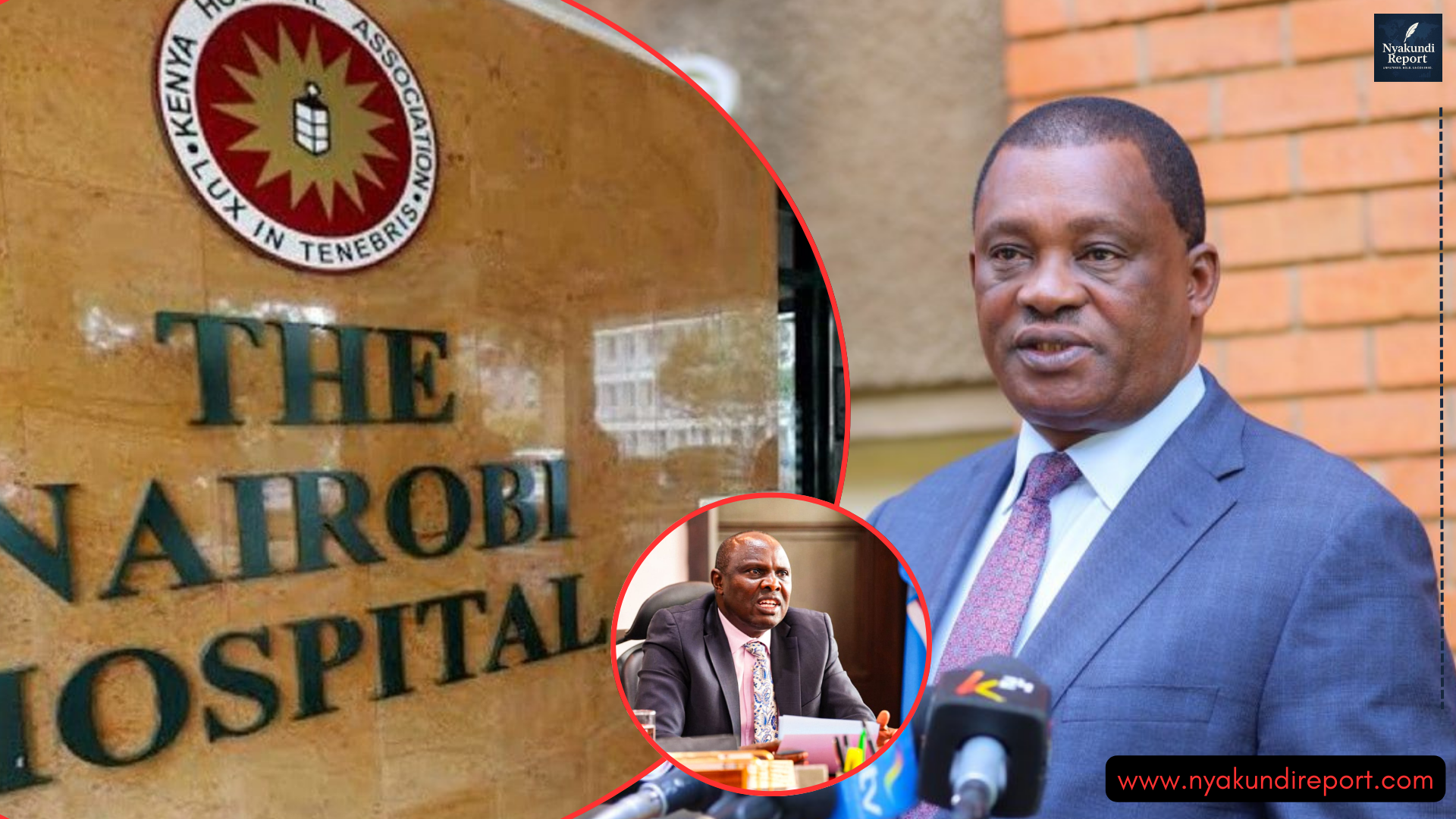
Beyond external mobilization, the Sh15 billion budget seeks to consolidate internal control. The upcoming National Delegates Convention in Nairobi will cost at least Sh15 million in logistics alone, with delegates receiving Sh15,000 allowances alongside accommodation and transport facilitation. The convention will deliberate on the party’s strategic direction and is expected to ratify key leadership changes.
The Oburu faction intends to formalize the removal of Senator Edwin Sifuna as secretary general and confirm Catherine Omanyo in the role. It also seeks delegate approval for Oburu to lead formal coalition negotiations, including potential withdrawal from the Azimio la Umoja–One Kenya Coalition Party.
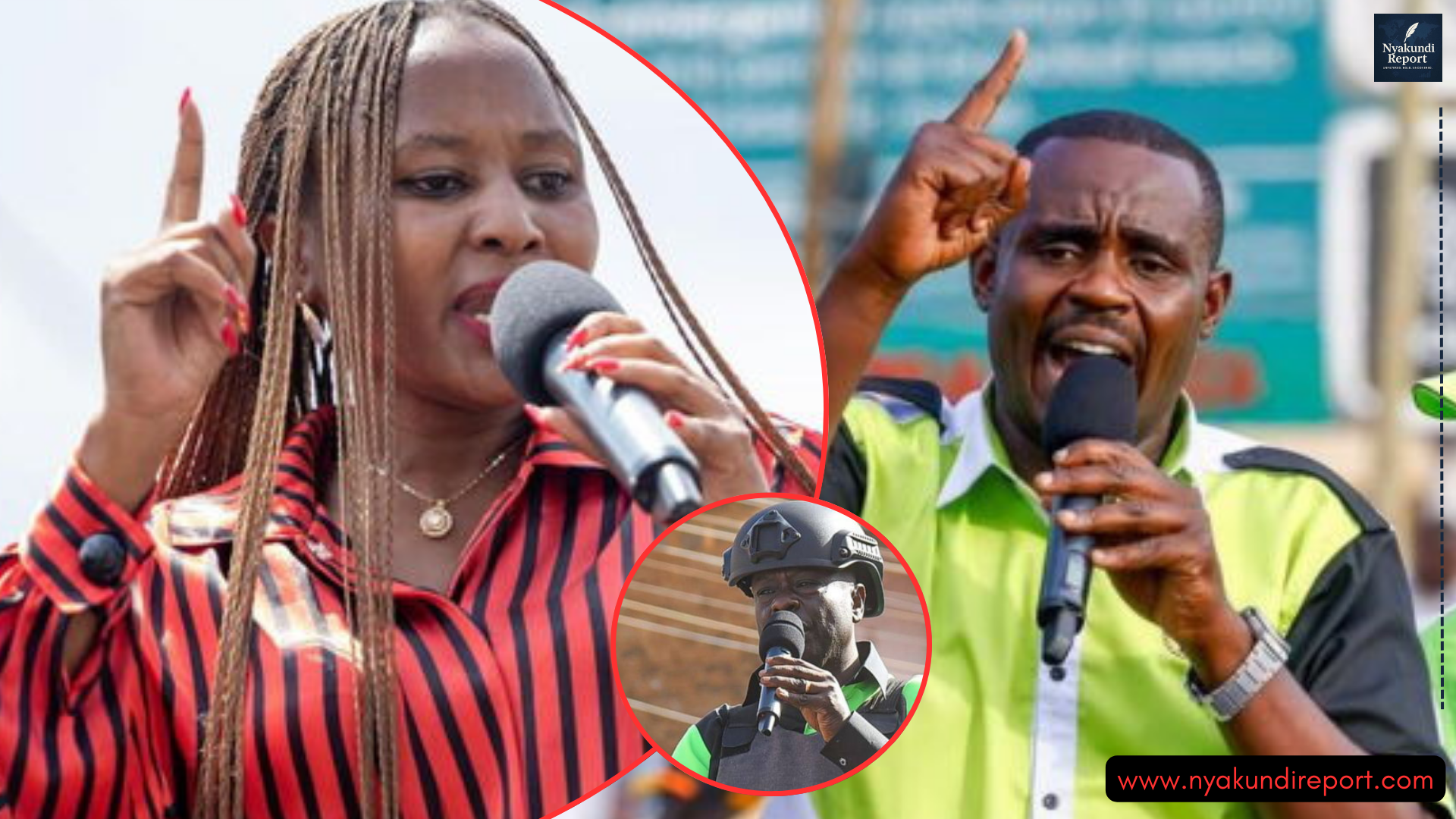
Critics within ODM, including Babu Owino and other reformist voices, argue that the heavy financial allocations aim to influence delegate outcomes and suppress dissent. The rival Linda Mwananchi rallies have demonstrated grassroots resistance to the ODM-UDA alignment, forcing the Oburu faction to deploy greater financial muscle to maintain control of the party base.
The budget also sets aside Sh2 billion for comprehensive grassroots registration and internal elections, alongside Sh500 million to open offices in 30 counties and 180 constituencies. Additionally, Sh3 billion will reportedly support elected leaders backing the coalition, enabling them to fund local initiatives and strengthen loyalty within their electoral areas.
In political terms, the Sh15 billion demand reflects a high-stakes gamble. Oburu and his allies believe that aligning with Ruto secures access to state power, stabilizes the party, and protects ODM from splintering in a competitive post-Raila landscape. Opponents warn that dependence on executive goodwill could erode the party’s ideological independence and weaken its bargaining position in the long term.