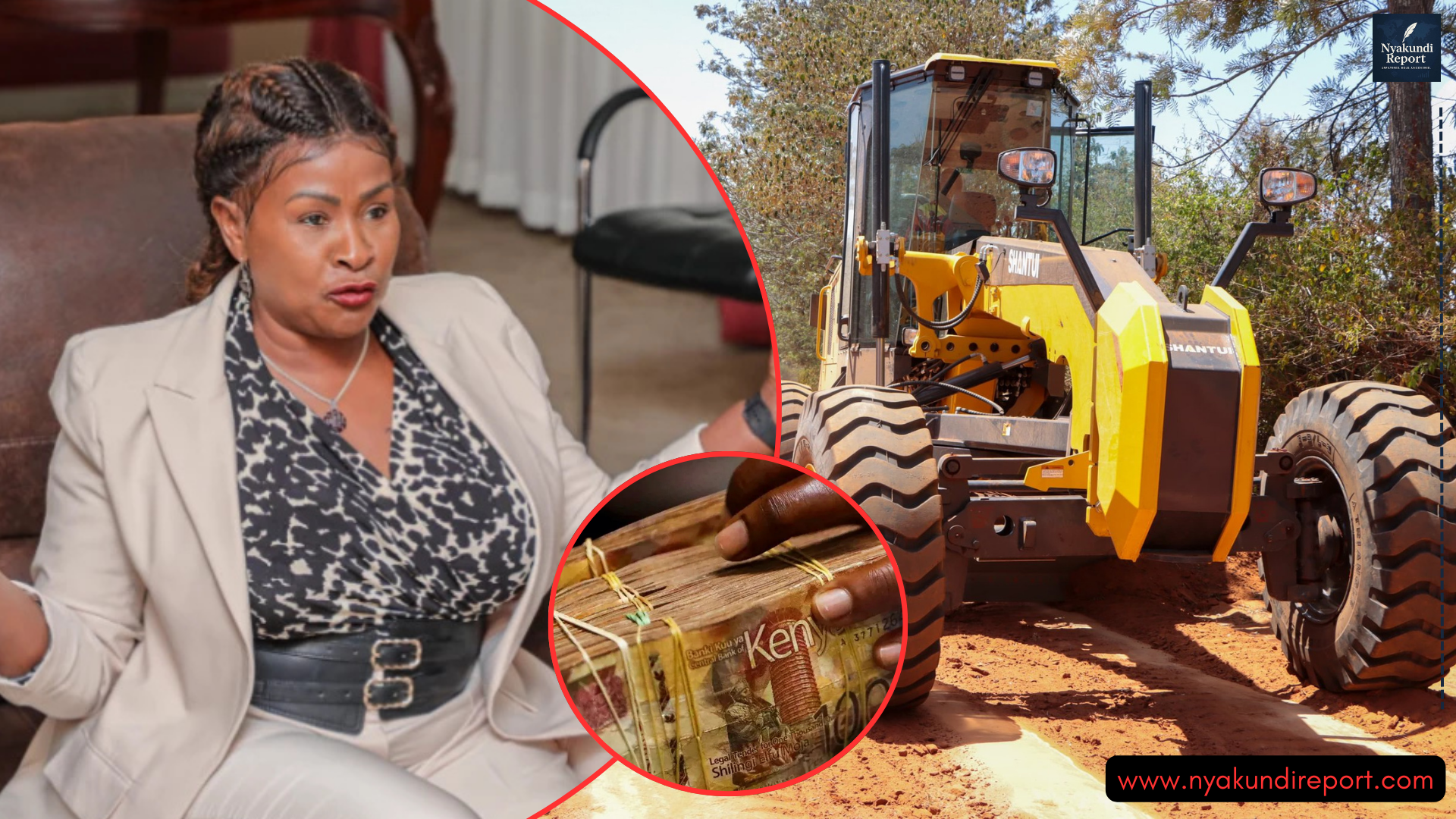

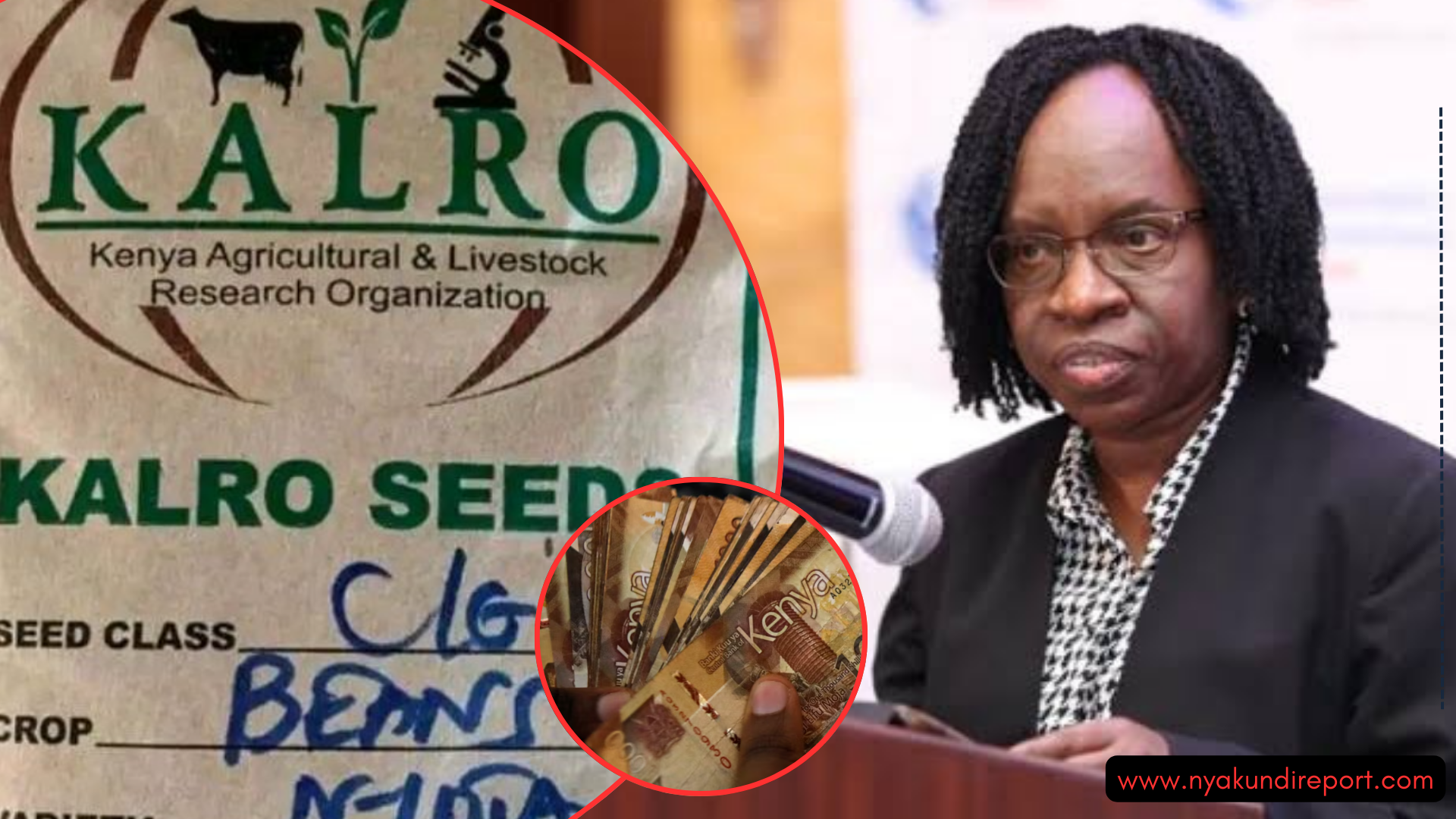






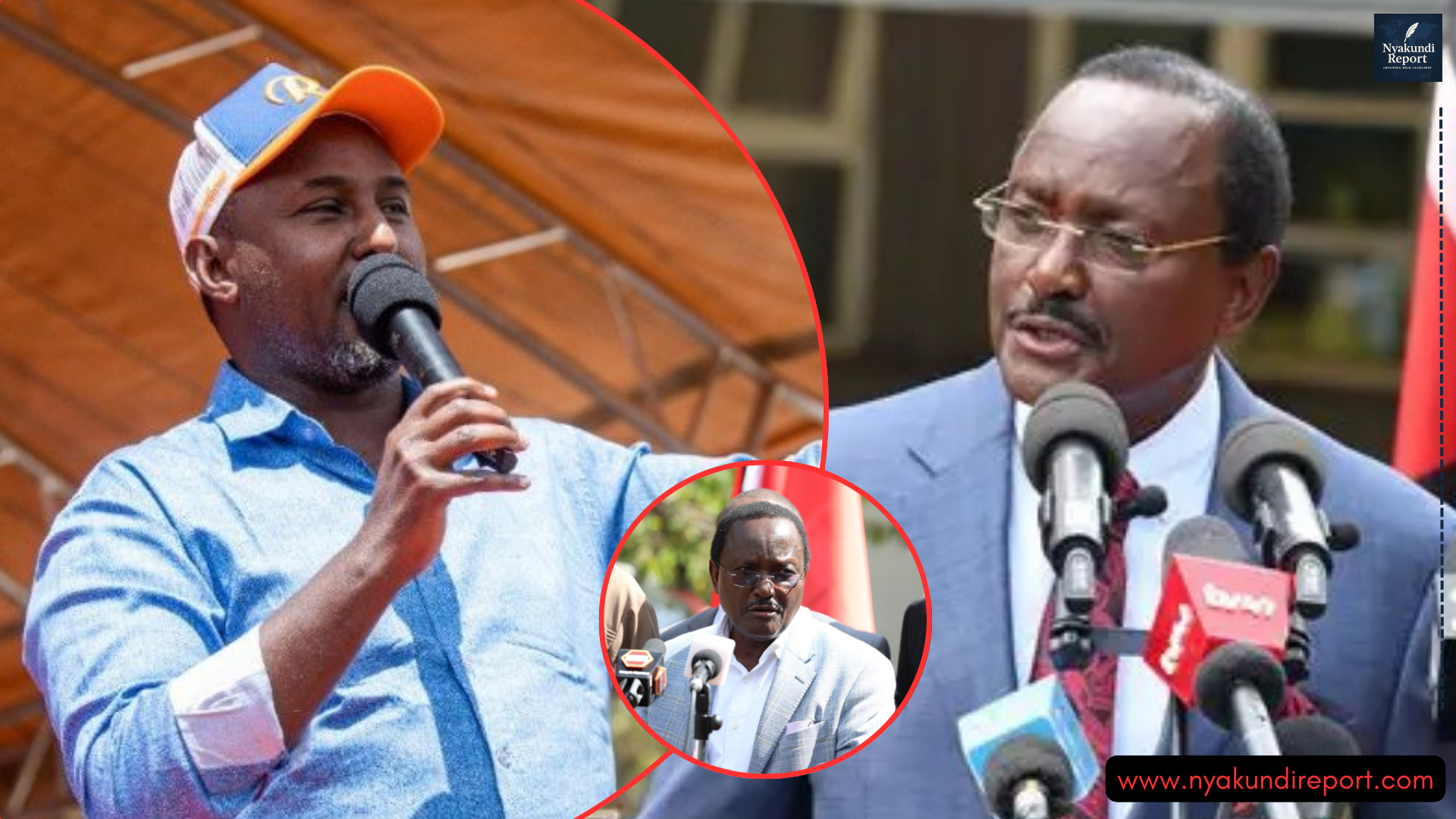










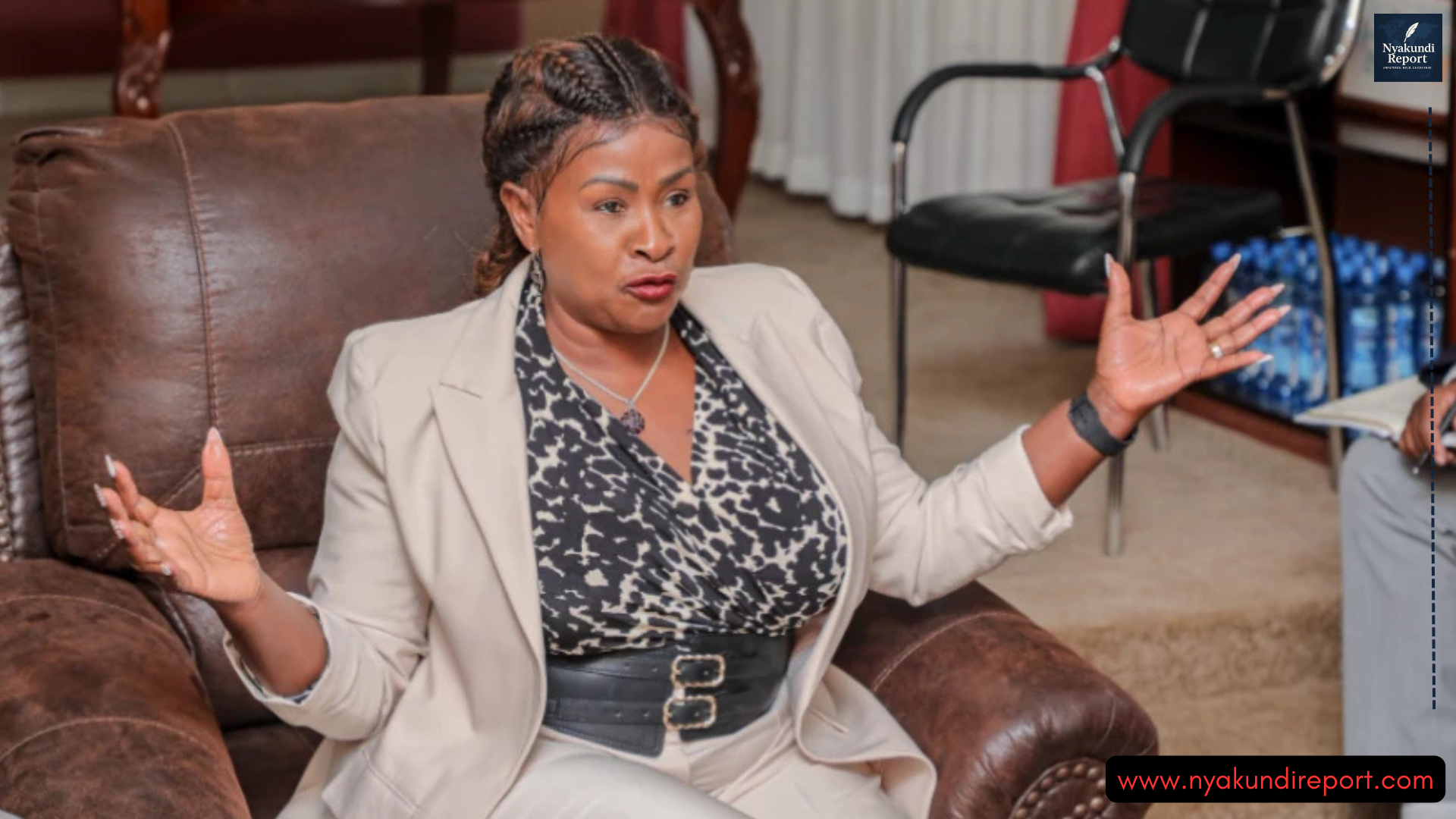
Fresh details have triggered outrage in Machakos after allegations emerged that Governor Wavinya Ndeti orchestrated payments of over Sh350 million to companies linked to herself through proxies and close business partners.
Contractors and finance insiders claim the payments, made in December last year, relate to road projects that were either poorly executed or remain incomplete. At the same time, dozens of local contractors who completed quality work say the county has ignored their payment claims, pushing some to the brink of financial collapse.
This investigation pieces together accounts from contractors, county insiders, and financial experts who describe a procurement system allegedly manipulated from the top.
How Wavinya Ndeti Pays Own Company Sh350m Through Proxy Networks
Contractors interviewed for this report describe a pattern in which the governor allegedly exerted direct influence over procurement and finance operations within the county government. They claim she controlled tender awards, influenced evaluation processes, and dictated the timing of payments, effectively centralizing authority in her office.
According to multiple sources, firms associated with the governor and her son, Charles Odiwale, received preferential treatment in the award and settlement of road contracts. Insiders allege that these firms operated through proxies and allied business partners to mask direct links, allowing county funds to flow toward entities connected to the leadership.
Several of the road projects tied to the Sh350 million payments have drawn criticism from residents who say the works show visible defects, including uneven surfaces and early pothole formation. In some cases, the roads remain incomplete despite significant disbursements.
Meanwhile, independent contractors who claim to have delivered projects on time and to required standards report that the county has withheld their payments for months. Many of them allege that before receiving tenders, they were required to surrender 10 percent of the contract value upfront, a demand they describe as coercive and illegal.
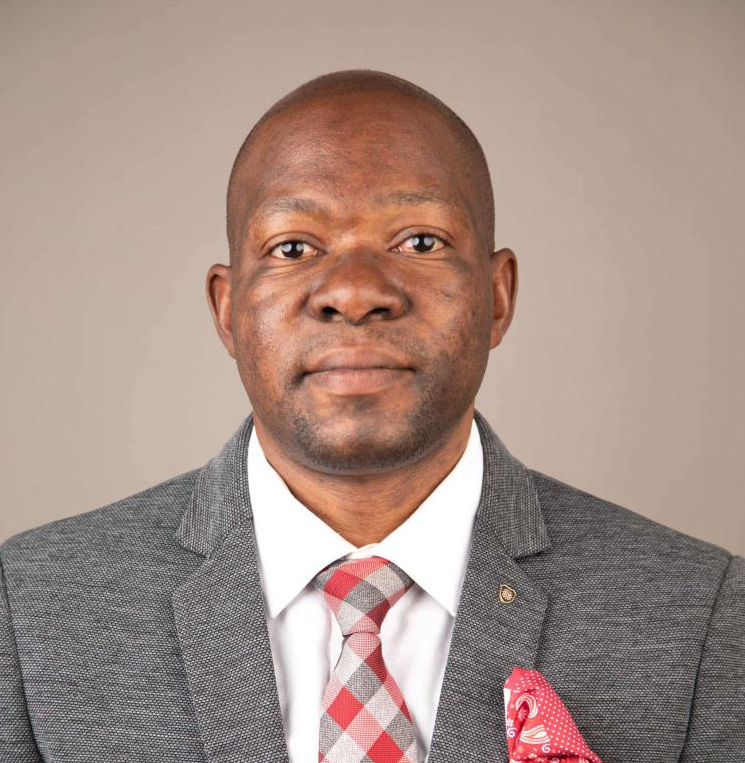
One contractor expressed frustration over what he termed systematic discrimination against local firms. He said they comply with every demand, mobilize resources, complete the projects, and then face silence when they seek payment approvals from the county’s finance department under Chief Officer Julius Kasanga. According to him, phone calls go unanswered, and follow-up letters receive no response.
Finance professionals within the county warn that this alleged micromanagement has destabilized normal financial operations. They argue that when procurement decisions concentrate in one office, checks and balances collapse, creating fertile ground for conflicts of interest.
Contractors Face Financial Ruin as Pending Bills Hit Sh6.8 Billion
Data from internal finance discussions indicate that Machakos County’s pending bills have surged to over Sh6.8 billion in just three years. Experts at the Office of the Controller of Budget caution that such levels threaten service delivery and long-term fiscal stability.
Local contractors say the delayed payments have pushed them into loan defaults. Many borrowed heavily from commercial banks to finance county projects, expecting timely settlement once they completed the work. Instead, they now face auction threats and mounting interest penalties.
Several contractors insist that the governor’s alleged interference distorts competition and sidelines qualified firms. They argue that inflated contracts awarded to politically connected companies drain resources while genuine service providers struggle to survive.
County insiders describe an atmosphere of fear in procurement and finance departments. According to them, officers hesitate to question directives for fear of professional retaliation. This environment, they say, undermines transparency and weakens institutional safeguards designed to protect public funds.
Residents have also raised concerns about value for money. They question why the county pays premium amounts for projects that deteriorate quickly or fail to meet expected standards. In their view, the contrast between heavy payments and poor workmanship signals deeper governance failures.

London Arrest Claims and the Governor’s Defense
The procurement controversy resurfaces against the backdrop of reports that in September 2024, Wavinya Ndeti was detained in the United Kingdom alongside her son over allegations of attempting to smuggle large sums of money from Kenya into Europe. Although the matter did not result in publicly disclosed charges, it intensified scrutiny of her financial dealings.
In response to the current allegations, the governor has categorically denied wrongdoing. She maintains that claims linking her to proxy companies and irregular payments are politically motivated and designed to tarnish her image. She describes the arrest reports as fabricated narratives sponsored by her political opponents.
Wavinya asserts that her administration has delivered nearly 1,000 projects since August 2022 and highlights record-breaking own-source revenue collection of Sh1.7 billion in the 2023–2024 financial year. She argues that these achievements demonstrate effective leadership rather than corruption.
However, critics contend that revenue growth does not excuse alleged procurement violations or conflicts of interest. They argue that if investigations confirm that Wavinya Ndeti paid her own company Sh350m through concealed ownership structures, the case would represent a serious breach of public trust and procurement law.
Contractors are now demanding an independent forensic audit of all road contracts awarded under her administration. They want disclosure of beneficial ownership for every company paid and a technical assessment of completed works. Financial analysts also call for a comprehensive review of pending bills to determine whether payment delays result from misallocation of funds.