Federal authorities in the United States are intensifying a sweeping crackdown on what investigators now describe as a deeply entrenched Minnesota Fraud Network, following fresh evidence of large-scale money laundering stretching from the American Midwest to Kenya. The expansion of the FBI probe signals growing alarm within Washington over how fraud schemes targeting federal welfare programs mutated into transnational criminal enterprises. With hundreds of millions of dollars allegedly stolen, convictions mounting, and overseas assets coming into focus, the investigation is exposing uncomfortable truths about regulatory failures, political sensitivities, and the global reach of financial crime rooted in Minnesota. The FBI’s expanded presence in Minnesota signals that the case is far from over. With money trails leading to Kenya and beyond, the unraveling of the Minnesota Fraud Network is shaping into a defining test of how aggressively the United States can confront transnational fraud born from its own welfare systems. FBI Deepens Minnesota Fraud Network Investigation The renewed focus was confirmed on Sunday evening, December 28, when FBI Director Kash Patel announced that additional agents and investigative resources had been deployed to Minnesota. Patel said the move was not reactionary but part of an ongoing effort to dismantle sophisticated fraud operations that had already been under federal scrutiny before public outrage gained momentum online.
According to Patel, the Minnesota Fraud Network exploited federal programs meant to support vulnerable populations, including children, during the COVID-19 pandemic. Investigators uncovered a web of sham vendors, shell companies, and coordinated money laundering operations designed to siphon taxpayer funds and obscure their final destinations.
The scale of the crackdown is already significant. The FBI reports 78 indictments and 57 convictions linked to the investigation so far. Prosecutors argue that this is only a portion of the network, with financial trails still being traced across borders. Patel underscored that fraud involving public funds remains a top priority for federal law enforcement, particularly when it targets programs meant to protect children. Feeding Our Future Fraud and the Money Trail to Kenya At the heart of the Minnesota Fraud Network lies the notorious “Feeding Our Future” scandal, now considered one of the largest fraud cases in U.S. history. Federal prosecutors say more than Ksh32 billion, roughly USD250 million, was stolen from programs intended to feed hungry children at the height of the pandemic.
Court filings show how suspects allegedly billed the government for meals that were never served, using fake attendance records and fabricated invoices. The stolen funds were then laundered through a maze of companies before being invested in high-end assets overseas.
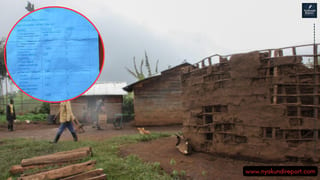
Kenya has emerged prominently in this financial trail. Investigators say proceeds from the fraud were used to purchase luxury apartments in Nairobi’s Eastlands area and premium properties along the Kenyan coast. These acquisitions, prosecutors argue, were designed both to store wealth and to distance it from U.S. jurisdiction, complicating recovery efforts.
The FBI believes the Minnesota Fraud Network relied on trusted intermediaries and informal financial channels to move money abroad. Mutual legal assistance requests and cooperation with foreign authorities are now central to the next phase of the investigation. Bribery Allegations Reveal Desperation Inside the Network Beyond the fraud itself, investigators say the network attempted to undermine the justice system. Patel revealed that Abdimajid Mohamed Nur and other defendants were charged with attempting to bribe a juror with USD120,000 in cash, equivalent to over Ksh15 million.
The bribery attempt failed, but it exposed the lengths to which suspects were willing to go to avoid conviction. Those involved pleaded guilty and received stiff sentences, including a 10-year prison term and nearly USD48 million in restitution orders across related cases.
Federal prosecutors argue that this episode demonstrates the organized and calculated nature of the Minnesota Fraud Network, contradicting claims that the crimes were isolated acts of opportunism. Independent Exposés Add Pressure on Authorities The investigation has also been amplified by independent reporting. American YouTuber Nick Shirley released an undercover exposé that has drawn more than one million views. In his investigation, Shirley visited daycare centers and healthcare providers across Minnesota that were reportedly receiving millions in public funds despite having no children enrolled.
While these findings have not yet been tested in court, they have intensified public scrutiny and political pressure. Federal authorities stress that criminal liability will depend on evidence and due process, yet the revelations have added urgency to the FBI’s expanded probe. Politics, Community Tensions, and the Path Ahead The widening investigation unfolds amid heightened political rhetoric. Minnesota hosts the largest Somali diaspora in the United States, exceeding 100,000 people in 2025. Some political figures, including former President Donald Trump, have repeatedly pointed to the state while making controversial claims linking Somali Americans to fraud.
In November, Trump ended certain legal protections for Somalis in Minnesota, accusing the state of harboring widespread criminal activity. Civil rights groups warn that conflating the Minnesota Fraud Network with an entire community risks stigmatization and distracts from systemic oversight failures that allowed the schemes to flourish.