


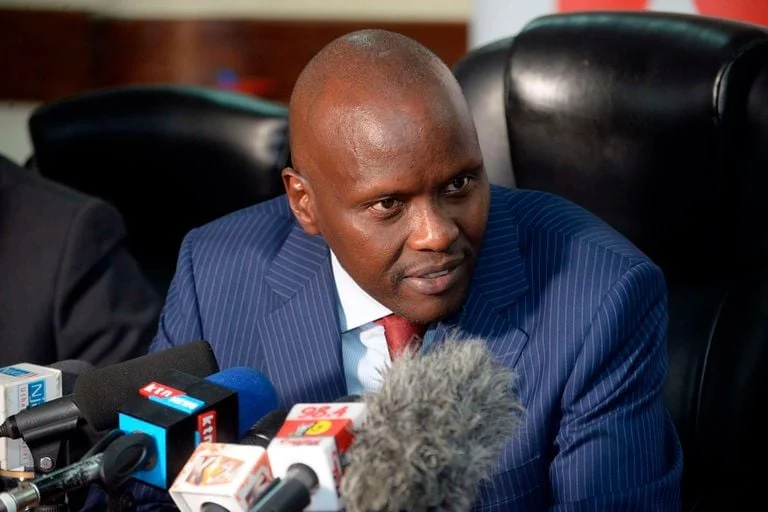







Ugandans woke up to a shocking move as the government blocked KTN, the Kenyan broadcaster, just hours before the country headed to its 10th general election. The shutdown left citizens struggling to access independent reporting on opposition campaigns and civic unrest.
Sources say the Uganda Communications Commission (UCC) ordered MultiChoice to suspend KTN on DSTV, citing national security. Simultaneously, KTN’s Standard Newspaper was barred from entering Uganda.
This heavy-handed action coincided with a nationwide internet blackout, raising alarms over media freedom and the integrity of the polls.
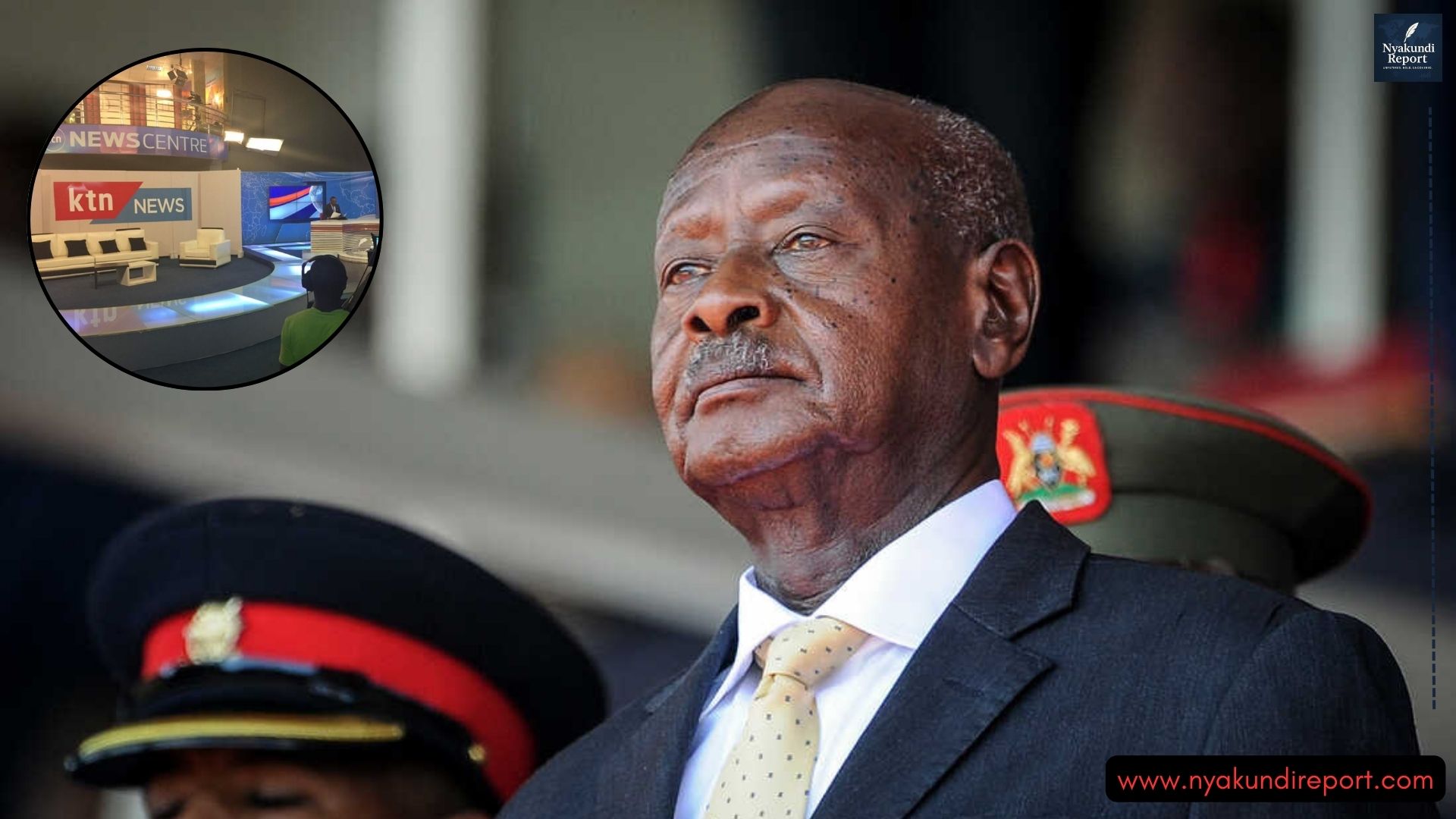
Museveni Blocks KTN From Airing Uganda Polls Leaving Citizens in the Dark
President Yoweri Museveni, 81, seeking a seventh term, has intensified efforts to silence dissenting voices. KTN had been actively reporting opposition activities and public protests, providing Ugandans with coverage beyond state-controlled narratives.
By ordering Multi-Choice to suspend KTN and banning the newspaper, the government has effectively erased a critical source of independent information. Multi-Choice confirmed compliance with the directive until the suspension is lifted, leaving viewers in uncertainty.
The move mirrors a broader crackdown on media, following reports of over 10 journalists being assaulted and multiple media houses facing threats of closure. Activists argue that the clampdown aims to control the narrative ahead of the vote, suppressing opposition visibility and public scrutiny.
Internet Blackout Intensifies Election Control
The KTN suspension came alongside a nationwide internet blackout imposed by UCC. From 6 pm on January 13, public internet access, SIM card sales, and outbound roaming services were temporarily suspended. Only essential services like healthcare, banking, and government operations were exempt.
Observers say the blackout was timed to prevent citizens from communicating independently and reporting irregularities during the election. Dr. Lina Zedriga, opposition running mate to Bobby Wine, described the voting environment as chaotic, highlighting untrained electorates and ongoing manipulation via biometric systems.
Kenyan activist Bob Njagi warned that the over-militarized elections were instilling fear among voters, likely suppressing turnout. Media freedom advocates insist these actions are part of a deliberate strategy to stifle dissent and maintain government control.
Opposition Voices Struggle to Reach Citizens
Bobby Wine, 43, running for Uganda’s presidency on a platform of generational change, faces an uphill battle in this heavily controlled environment. With KTN suspended and internet access limited, opposition messaging struggles to reach the public.
Despite the suspension, KTN vowed to continue reporting, emphasizing its commitment to independent journalism across East Africa. However, the lack of access within Uganda itself leaves many citizens uninformed about developments in their own country.
This suppression of independent media, combined with intimidation of journalists, paints a grim picture of the 2026 election. Analysts say that without transparent reporting, the credibility of the vote remains highly questionable. International observers have already raised concerns about whether the elections meet global standards for fairness and freedom.