The Nigerian Durbar Festival: A Spectacle of Royalty, Culture, and History Few cultural celebrations in Africa rival the grandeur and pageantry of Nigeria’s Durbar Festival. Known for its majestic horse parades, royal processions, and vibrant displays of traditional regalia, Durbar is more than a festival. But it is a living expression of history, identity, and northern Nigerian heritage. Held primarily in the ancient emirate cities of Kano, Katsina, Zaria, and Sokoto, Durbar draws thousands of spectators each year. Transforming city streets into arenas of color, power, and tradition. The Nigerian Durbar festival is a spectacular horse parade and royal procession held in northern cities like Kano and Katsina during Eid, blending Islamic celebration with centuries‑old cavalry traditions and Hausa‑Fulani court culture Origins Rooted in Royal Tradition The Durbar Festival traces its origins to pre-colonial Hausa and Fulani traditions. Historically, it began as a military parade where cavalrymen showcased their skills before an emir. The display served both as a demonstration of strength and as a reaffirmation of loyalty to the traditional ruler. Over time, what was once a martial ceremony evolved into a ceremonial festival. Today, Durbar is most commonly held during major Islamic celebrations such as Eid al-Fitr and Eid al-Adha. Although some regions also host it to mark significant state or royal occasions. At its core, Durbar remains tied to the emirate system, an enduring traditional governance structure that continues to play a cultural role in northern Nigeria. The Grand Procession The highlight of the Durbar Festival is the procession of horsemen. Hundreds, sometimes thousands, of riders dressed in flowing robes, turbans, and embroidered garments parade through the city under the authority of the emir. The horses themselves are adorned with elaborate saddles, colorful textiles, and decorative ornaments. Each contingent represents a district head or noble family, forming a spectacular display of hierarchy and heritage. The climax comes when the cavalry gallops at full speed toward the emir’s palace before stopping dramatically in a synchronized salute. The moment captures both athleticism and symbolism of strength, balanced by discipline. A Celebration of Craft and Identity Beyond the horses and royalty, Durbar is also a celebration of craftsmanship and artistic expression. The embroidery, leatherwork, metal ornaments, and textile designs worn during the festival represent centuries-old artisanal traditions. Music plays a central role as well. Traditional drummers and praise singers accompany the procession, narrating stories of lineage, bravery, and communal pride. The rhythm of drums and the sounds of kakaki (long ceremonial trumpets) heighten the sense of drama. Durbar serves as a reminder that culture in northern Nigeria is deeply layered, thus blending Islamic heritage, indigenous customs, and historical continuity. Tourism and Global Attention In recent decades, the Durbar Festival has grown into a major tourism attraction. Visitors from across Nigeria and abroad travel to witness the spectacle, contributing to local economies through hospitality, trade, and cultural exchange. It has also become a visual symbol of Nigerian identity on the global stage. Images of Durbar cavalry riders in synchronized motion against the backdrop of ancient city walls are frequently used to represent West Africa’s rich traditions. However, the festival’s success depends heavily on security and stability, as large public gatherings require careful planning in a region that has occasionally faced security challenges. Cultural Continuity in a Modern Era In a rapidly modernizing Nigeria, Durbar stands as a powerful example of cultural continuity. While skyscrapers rise and digital economies expand, the festival preserves a direct connection to the past. The emirate system, though no longer wielding formal political authority in the same way it once did, remains influential in matters of culture, mediation, and community leadership. Durbar reinforces that legitimacy and maintains a visible bridge between generations. For young Nigerians, the festival offers both spectacle and education, a reminder that progress does not require erasing tradition. More Than a Festival The Nigerian Durbar Festival is not merely entertainment. It is a ceremony, identity, diplomacy, and history rolled into one. It embodies respect for hierarchy, reverence for heritage, and celebration of communal pride. At a time when globalization often flattens cultural distinctions, Durbar asserts something vital: tradition can endure, evolve, and still command awe. In the thunder of hooves and the shimmer of embroidered robes, Nigeria tells the story of its past and confidently parades it into the future. ALSO READ: Key Facts About Ethiopia’s Grand Ethiopian Renaissance Dam (GERD)
The Durbar Festival: Nigeria’s Ancient Royal Tradition That Still Stuns the World
N
Newsroom Updated 4 min read
Primary source nyakundireportblog
Story · The Durbar Festival: Nigeria’s Ancient Royal Tradition That Still Stuns the World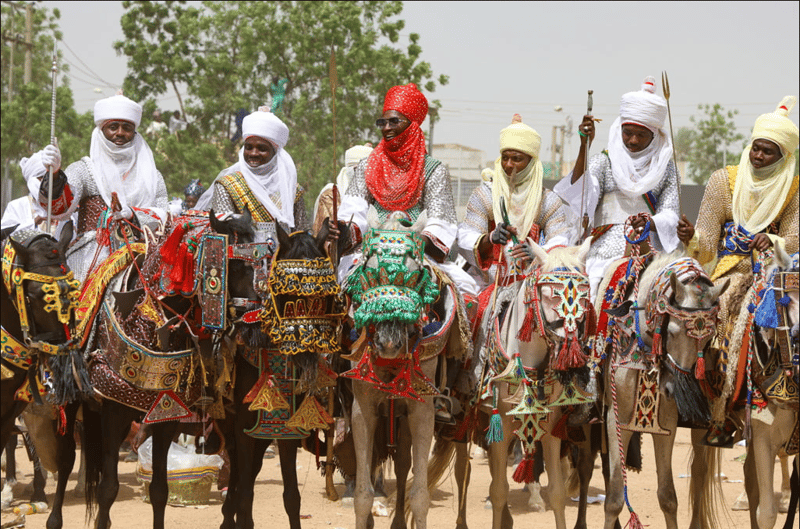
Next read
Elburgon Land Wars — How Armed Goons Are Driving Legal Landowners From Their Homes While Local Leaders Watch
25 April 2026 · 5 min read