









Tanzania is heading into a tense Independence Day, with President Samia Suluhu’s government urging citizens to remain indoors during a holiday that traditionally unites the nation. Instead of parades and national pride, the country faces fear, anger, and a growing sense of betrayal.
Suluhu’s critics accuse her of abandoning democratic principles, using state machinery to silence dissent, and turning the once-stable East African nation into a climate of intimidation. With opposition leaders locked out of the disputed October 2029 election, public frustration has reached its boiling point.
This year’s call to “stay home” signals a government struggling to contain dissent rather than a state celebrating freedom.
Tanzanians Independence Day Protests Define a Nation Under Strain of Dictatorship
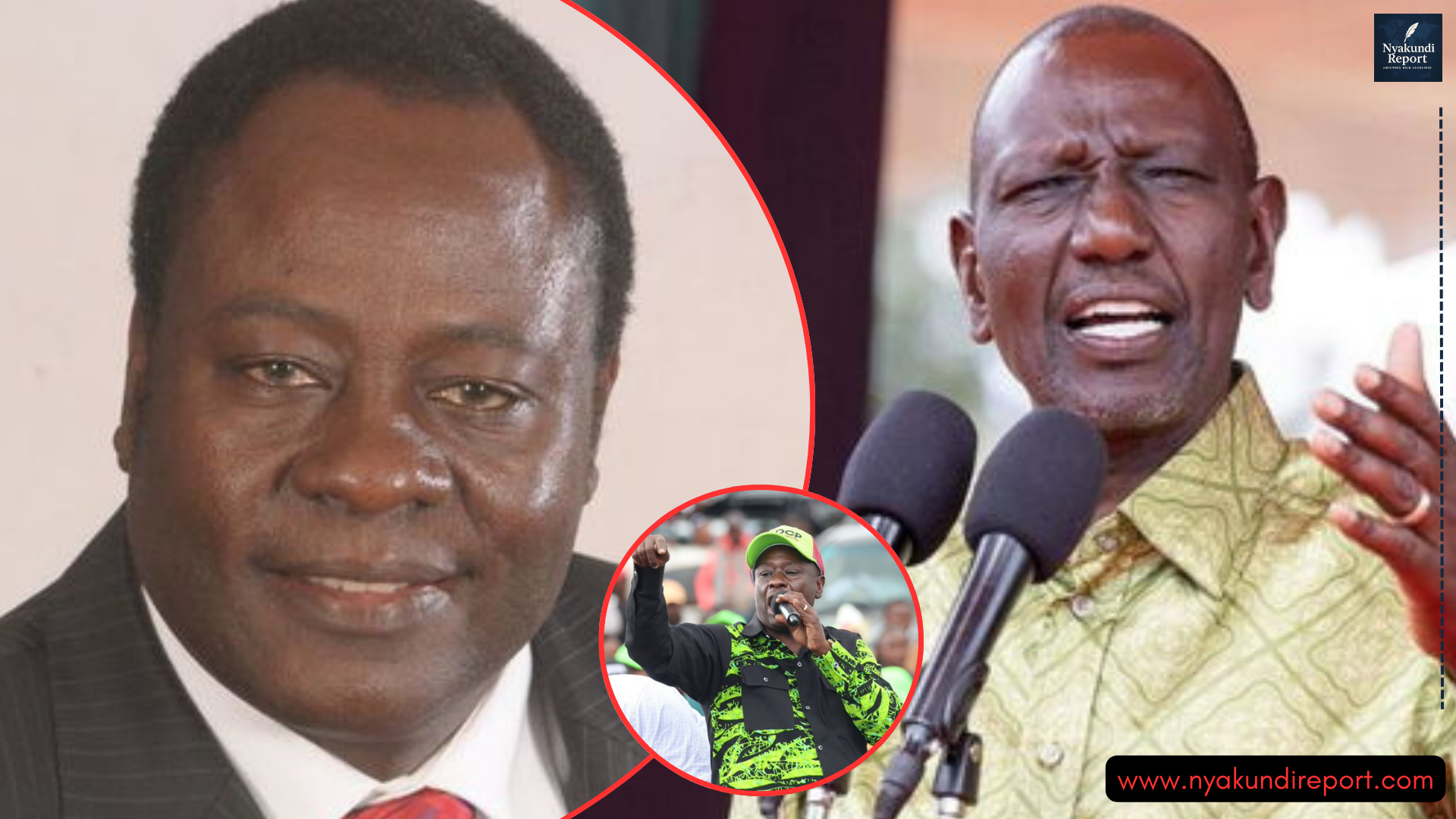
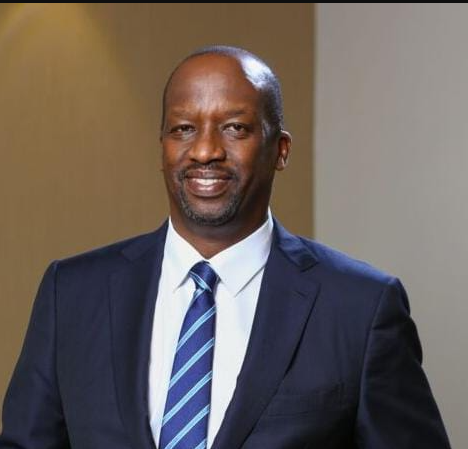
The government issued its unusual advisory through Prime Minister Mwigulu Nchemba, who delivered President Samia Suluhu’s official holiday message. He told citizens to remain at home on December 9 and insisted that only essential workers should report to duty. He framed the directive as a safety measure, but many Tanzanians interpret it as another attempt to block public expression.
Nchemba had already urged the public to avoid the planned nationwide demonstrations. Human rights activists and opposition leaders announced the protests to demand accountability for alleged abuses during and after the disputed election. Suluhu’s government insists the demonstrations are unlawful and claims the organisers want to destabilise the country.
“Fellow citizens, the President of the United Republic of Tanzania, Dr. Samia Suluhu Hassan, sends her warm wishes,” Nchemba said during the announcement. He then told citizens without urgent duties to “rest and celebrate Independence Day at home.”
The tone was clear. Independence Day would not be a moment for unity in public spaces. It would be a day indoors, away from crowds, chanting, and cameras.
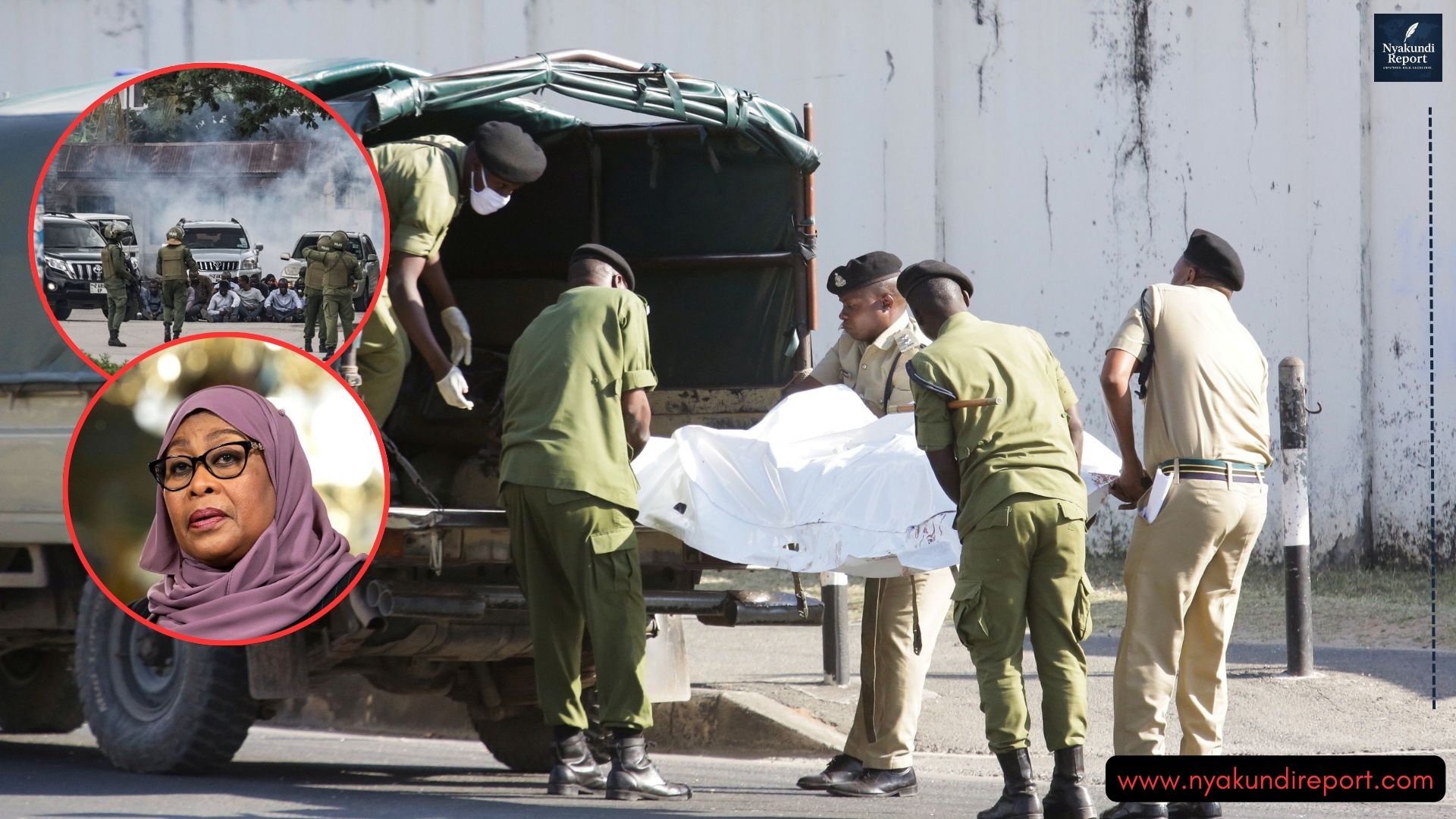
Authorities have accused unnamed groups of funding young people to cause chaos. They say they want to prevent a repeat of the October 29 unrest, where infrastructure was vandalised and dozens were injured. Critics, however, argue that the government uses these claims to justify silencing peaceful political action.
International concern has mounted. The U.S. Embassy issued a safety alert warning its citizens about possible curfews, internet shutdowns, roadblocks, and travel disruptions around the protest date. The embassy suspended non-emergency travel and advised Americans to avoid large gatherings.
The U.S. also raised deeper concerns about its relationship with Tanzania, pointing to violence against civilians, restrictions on religious freedom, and barriers to investment.
In late November, Suluhu’s government cancelled official Independence Day celebrations. They redirected funds to repair infrastructure allegedly damaged during the October 29 unrest. Activists dismissed the gesture as political theatre, saying the administration wants to avoid large gatherings that could turn into anti-government marches.
Human rights groups and the UN Human Rights Office report credible information showing that hundreds may have been killed during and after the election. The government strongly denies the claims. But Tanzanians living in areas affected by the unrest tell a different story. They describe disappearances, night raids, and a climate of fear that rarely reaches official reports.
Independence Day on December 9 usually carries deep meaning. It marks the end of British colonial rule in 1961. For decades, Tanzanians have honoured this day with parades, cultural shows, and speeches reflecting national pride. This year, however, the government cancelled all official events. What remains is a nation divided and anxious about what might unfold.
Opposition Rejects Government Orders
Opposition groups say they will move ahead with the planned demonstrations, describing them as a constitutional right. They accuse the government of suppressing political pluralism and weaponising public order laws. With the memory of the 2029 election still raw, many see the protests as a chance to reclaim their voice.
Rights Groups Warn About Democratic Backslide Over Plans to Supress
Tanzanians Independence Day Protests
Local and international rights organisations say Suluhu’s administration has eroded democratic freedoms. They warn that the government’s attempt to keep people indoors on a national holiday is a worrying sign. They argue that freedom of assembly is essential, especially during political crises.
But security forces have tightened surveillance in major cities. Roadblocks, patrols, and undercover units are expected. The government says the measures are necessary. Critics see them as intimidation tactics aimed at silencing legitimate political pressure.