
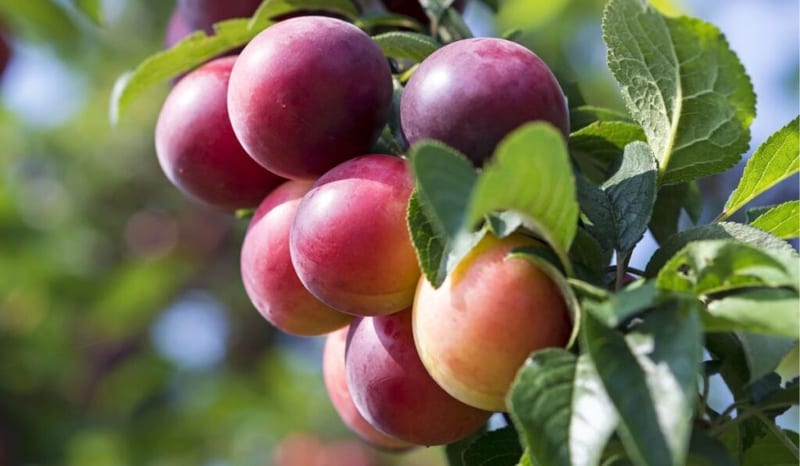

Plums farming in Kenya is an excellent agribusiness opportunity for small and large-scale farmers. Plums are sweet, juicy, and rich in nutrients. They have a strong local demand and growing export potential. These seasonal fruits appear in the markets mostly from December to early March. With the right climate, good soil, and proper care, plum farming can be highly profitable. This guide will help you get started with planting, managing, and selling plums in Kenya. Plums farming in Kenya offers a great chance to earn steady income from a high-value fruit. With proper site selection, care, and marketing, you can enjoy great returns from your orchard. [Photo: Courtesy] Plums Farming In Kenya for Beginners and Agribusiness Farmers Plums grow best in Kenya’s central highlands due to the favorable weather and altitude. Farmers in areas such as Nyeri, Murang’a, Kiambu and parts of Nakuru are already enjoying good returns from plums farming. Common Plum Varieties Grown in Kenya Kenyan farmers grow different varieties depending on market preference, climate and fruit quality. The most popular ones include: Shiro— Known for large fruits and sweet taste Harry—produces early and has high yield Methyl—medium size and suitable for both local and export markets Cherry— Attractive red fruits that are soft and juicy Santa Rosa— Very sweet, purple-red in colour and widely loved by consumers Choose a variety based on your climate and intended market. Some varieties perform better in higher altitudes, while others do well in slightly warmer conditions. Best Climate and Soil for Plums Plums need the right environment to grow and yield quality fruits. The ideal ecological conditions are: Altitude : Between 1700–2600 metres above sea level Soil : Well-drained soil with a pH of 5.5 to 6.5 Temperature : 15°C to 24°C Rainfall : Above 1000mm per year, well distributed Sunlight : At least 8 hours of daily sunshine Avoid planting plums in areas with waterlogged or compacted soils. Plums hate standing water and will rot quickly in poor drainage. How to Plant and Manage Plums for a High Yield Proper land preparation, planting and care are key for a successful plums farm in Kenya. Land Preparation and Planting Start by clearing the land early before the planting season. Plough it to a medium depth and remove all weeds. This helps reduce competition for nutrients and water.
Plums are propagated through grafting , not seeds. Experts recommend myrobalan seedlings as the best rootstock because they are strong and disease-resistant. Planting tips : Dig deep and wide holes (at least 60cm by 60cm) Spacing should be 5m by 6m to allow tree expansion Plant at the onset of rains to ensure soil moisture Water the seedlings after planting Apply mulch to retain moisture and control weeds With proper care, plum trees start bearing fruits in 2–3 years and reach full productivity by year 5. Fertiliser Application and Tree Care During the early stages, apply phosphorus-rich fertiliser to support root growth and strong establishment.
Use well-decomposed manure during the flowering season to enhance fruiting and improve soil health.
Regularly prune the trees to remove weak branches, allow air flow and shape the tree. Proper pruning helps improve fruit quality and reduce disease spread. Managing Pests and Selling Your Plums Plums farming in Kenya is relatively low-maintenance, but like all crops, pests and diseases can be a challenge. Common Pests and Diseases Pests : Aphids Mealybugs Stem borers Diseases : Root rot Brown rot Blossom wilt Scab Rust To manage these problems: Practise proper field hygiene Prune regularly to remove infected parts Use disease-resistant varieties Apply recommended pesticides and fungicides as advised by experts Always follow safe spraying practices and avoid spraying near harvest time to protect consumers. Market Opportunities for Plums in Kenya Plums are sold in many places across Kenya, including: Open-air markets Roadside vendors Supermarkets Groceries and fruit shops Plums can also be supplied to hotels, restaurants and juice processors. For export , partner with licensed produce exporters and meet the required quality standards. Market price : A kilo of plums can fetch up to Ksh 300 , depending on the season, size, and variety.
Fruits harvested during off-season months usually earn more due to high demand and limited supply.