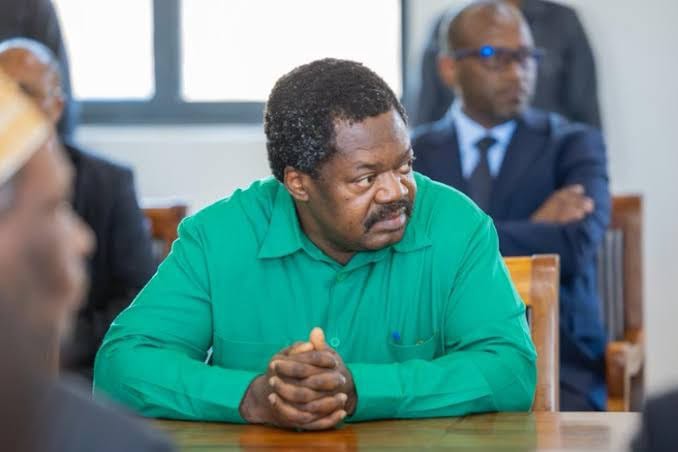
Nchimbi’s sudden political downfall exposes deepening tensions with Suluhu, amid growing calls for constitutional reforms that could reshape Tanzania’s political future. · 2 media items
Tanzania’s ruling Chama Cha Mapinduzi (CCM) has expelled former Vice President Emmanuel Nchimbi from the party, just a day after he resigned from the country’s second-highest office and announced his retirement from politics and public service.
The dramatic political development came after CCM’s top leadership endorsed Energy Minister Deogratius Ndejembi as its nominee to replace Nchimbi as Vice President.
The decisions were reached during emergency meetings of the CCM Central Committee and National Executive Committee (NEC) in Dar es Salaam on Wednesday, August 26, chaired by President Samia Suluhu Hassan.
CCM Secretary-General Asha-Rose Migiro announced Nchimbi’s expulsion, saying the party had reviewed evidence and statements before...
Nchimbi’s sudden political downfall exposes deepening tensions with Suluhu, amid growing calls for constitutional reforms that could reshape Tanzania’s political future.
Tanzania’s ruling Chama Cha Mapinduzi (CCM) has expelled former Vice President Emmanuel Nchimbi from the party, just a day after he resigned from the country’s second-highest office and announced his retirement from politics and public service.
The dramatic political development came after CCM’s top leadership endorsed Energy Minister Deogratius Ndejembi as its nominee to replace Nchimbi as Vice President.
The decisions were reached during emergency meetings of the CCM Central Committee and National Executive Committee (NEC) in Dar es Salaam on Wednesday, August 26, chaired by President Samia Suluhu Hassan.
CCM Secretary-General Asha-Rose Migiro announced Nchimbi’s expulsion, saying the party had reviewed evidence and statements before determining that he had violated its rules and regulations.
“The NEC has held its meeting to discuss disciplinary action on Emmanuel Nchimbi and, after reviewing all the evidence and statements available, has decided and reached a conclusion that CCM’s rules and laws were flouted.”
The expulsion raises fresh questions about the circumstances surrounding Nchimbi’s sudden departure from the Vice Presidency, particularly because his resignation came only hours before the ruling party moved to remove him from its ranks.
Nchimbi, 54, submitted his resignation to President Samia on Tuesday, citing constitutional provisions allowing senior public officials to voluntarily leave office.
The President accepted the resignation, which is expected to take effect on September 4, 2026.
In his resignation statement, Nchimbi indicated that his decision was linked to President Samia’s desire for a change in the Office of the Vice President.
He said he had become convinced that the President wanted a different person in the position and chose to honour an earlier commitment to step aside if she wished to make such a change.
The sequence of events is politically significant. 
Nchimbi did not merely leave government. Within a day, he was also expelled from CCM, effectively ending his immediate role within both the executive and the ruling party.
CCM, however, has not publicly detailed the specific actions that amounted to the alleged violations of party rules.
That leaves an important question hanging over the dramatic exit: what exactly triggered the disciplinary action against a senior party figure who had occupied one of Tanzania’s most powerful offices?
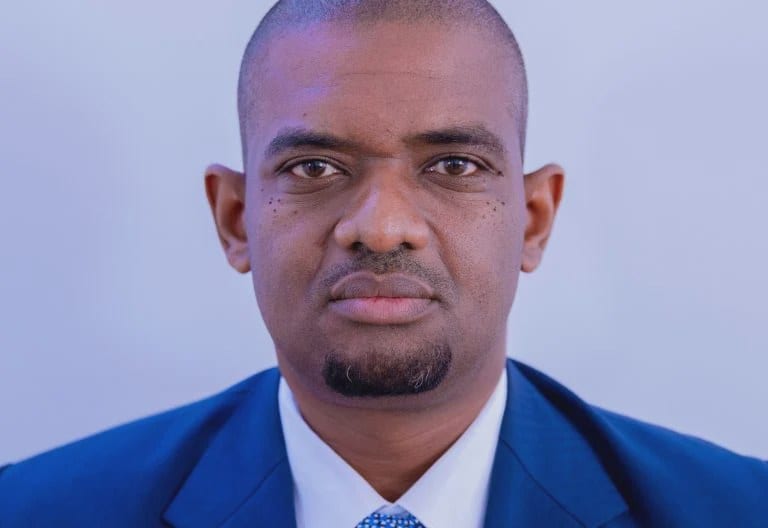
Deogratius Ndejembi now emerges as Nchimbi’s replacement, placing him at the centre of Tanzania’s evolving political leadership and constitutional debate.
While Nchimbi’s political future has effectively been closed, CCM has moved quickly to identify his replacement.
The party endorsed Energy Minister Deogratius Ndejembi as its nominee for Vice President during the same emergency leadership meetings.
His nomination now places him at the centre of Tanzania’s succession and executive politics as the ruling party seeks to fill the vacancy created by Nchimbi’s departure.
The move also demonstrates the strength of CCM’s internal political machinery. The party was able to move from a sudden resignation to a replacement nomination within a matter of hours.
Under Tanzania’s constitutional framework, the ruling party’s nominee is set to undergo the required process for appointment to the Vice Presidency.
Nchimbi’s resignation came after a relatively prominent political career within CCM and the Tanzanian government.
He became CCM Secretary-General in January 2024 and previously served in the Tanzanian Cabinet before taking diplomatic assignments as ambassador to Brazil and Egypt.
His political experience made his sudden departure particularly notable.
His statement that he had recognised President Samia’s desire for a change appeared to suggest that the decision was part of a broader political restructuring within the administration.
However, the subsequent expulsion from CCM adds another layer to the story.
Had Nchimbi simply resigned, the development could have been interpreted as a voluntary political transition. His expulsion the following day suggests that tensions within the ruling party may have been more serious than initially apparent.
CCM’s decision also sends a strong message to other senior officials that party discipline remains central to political survival within Tanzania’s dominant political organisation.
For now, the party has offered only a broad explanation that its rules and laws were violated, without publicly outlining the evidence behind the decision.
Nchimbi is expected to formally leave office on September 4, after which the process of installing Ndejembi will move forward.
The immediate political challenge for President Samia will be ensuring a smooth transition while preventing the controversy surrounding Nchimbi’s departure from creating wider divisions within CCM.
The ruling party has dominated Tanzanian politics for decades, making internal disputes potentially more consequential than ordinary political disagreements.
Nchimbi’s expulsion therefore represents more than the departure of one senior official. It is a reminder of the considerable power CCM continues to wield over Tanzania’s political establishment.
With Ndejembi now positioned to take over the Vice Presidency, attention will shift to whether the new arrangement strengthens President Samia’s administration or exposes deeper political tensions within the ruling party.
For Nchimbi, meanwhile, a resignation that initially appeared to be a controlled exit from public life has quickly turned into a much more dramatic political fall—from vice president to expelled ruling-party member in less than 48 hours.