
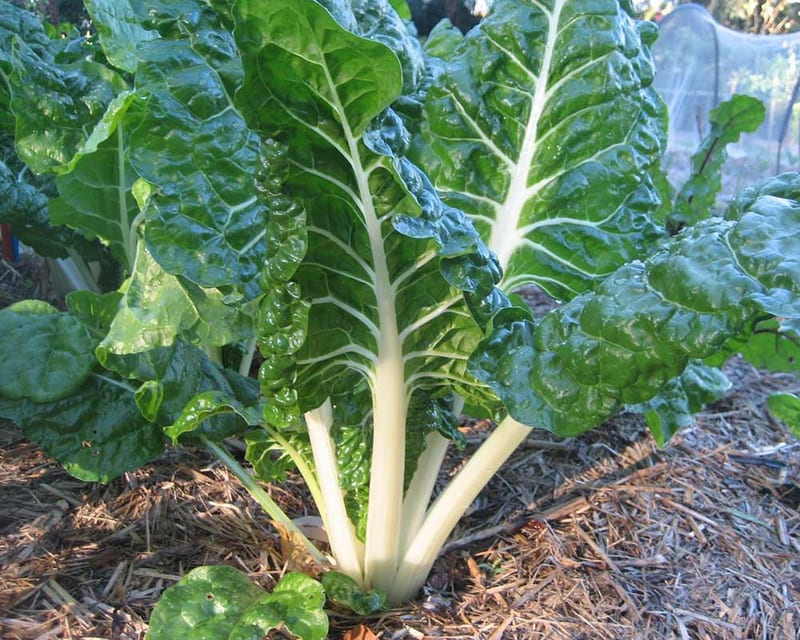

Spinach farming in Kenya is a profitable venture that requires minimal capital and delivers consistent returns. With its high nutritional value and fast-growing cycle, spinach is one of the most commonly grown vegetables in the country. The leafy green thrives in various regions across Kenya and provides a reliable source of income for many small-scale farmers. From urban gardens to rural plots, spinach remains a dominant presence in vegetable stalls at markets and grocery stores. If you are looking to start or improve your spinach farming journey, this guide will walk you through every essential step. Freshly harvested spinach from a thriving Kenyan farm, showcasing lush green leaves grown under ideal conditions. A perfect example of profitable, healthy, and sustainable spinach farming in Kenya. [Photo: Courtesy] Best Conditions for Spinach Farming In Kenya To succeed in spinach farming in Kenya, the environment must support healthy growth and strong yields. Here’s what to aim for: Ideal Climate Spinach grows best in temperatures between 4°C and 16°C . While it can survive in slightly higher temperatures, extreme heat can affect leaf size and quality. Cold-tolerant varieties do better in the highland regions, while others adapt well to warmer areas. Suitable Soil Spinach does well in fertile, well-drained soils with a pH between 6.4 and 7.0 . Avoid heavy clay soils that retain too much water, which can lead to root rot. To improve soil fertility, incorporate compost or organic manure during land preparation. Sunlight Full sunlight is essential. Choose an open field with no shade from trees or buildings. Sunlight encourages healthy leaf development and faster maturity. How to Start Spinach Farming In Kenya Starting a spinach farm begins with proper planning and preparation of seeds, beds and transplanting techniques. Seed Propagation Spinach is propagated by seeds . Begin by preparing a nursery bed where seeds are sown in shallow furrows. Cover lightly with soil and water gently.
To enhance germination, drench the bed with a solution of Optimizer , Loyalty 700 WDG , and Pyramid 700 WP 100g . The seeds usually germinate within 5–7 days . Transplanting Seedlings After 4 to 5 weeks , the seedlings will be ready for transplanting to the main field. Water the nursery bed an hour before transplanting to prevent the delicate roots from drying or breaking during the move. Transplant during late afternoon hours or on cloudy days to avoid transplant shock. Managing a Spinach Field in Kenya Proper field care ensures your spinach grows fast, stays healthy, and yields a good harvest. Mulching Apply dry grass or crop residue to retain moisture and control weed growth. Mulching is especially useful during dry seasons and in areas with high temperatures. Thinning Once the plants reach about 2 inches , thin them to ensure each spinach plant has enough space. This prevents overcrowding and promotes better air circulation, reducing the risk of fungal diseases. Crop Rotation Rotate spinach with crops like legumes, tomatoes, or lettuce . This practice prevents soil-borne diseases and pests such as: Aphids Cutworms Leaf miners Downy mildew Anthracnose Avoid planting spinach continuously on the same plot to maintain soil health. Fertiliser Application Use basal fertilisers such as DAP , CAN , or NPK during planting to supply essential nutrients. After transplanting, apply foliar fertilisers like Lavender (20ml/20L) or Goldchance Super Growth (50g/20L) to boost root development and overall plant strength. Harvesting and Yields from Spinach Farming In Kenya Spinach matures quickly. Expect your crop to be ready five weeks after transplanting . Monitor the leaves closely — they should be large, green, and tender. Harvesting Techniques Use these two common methods: Plucking outer leaves and leaving the inner leaves to grow for future harvests. Cutting the whole plant if you plan to replant or rotate the crop. The first method allows for multiple harvests from a single plant, often over several weeks. Expected Yield On average, one acre of well-managed spinach can yield 10 to 30 tons . The output depends on: Variety used Fertiliser and water availability Climate and pest control Hybrid varieties often produce higher yields but may cost more in input. Where to Sell Spinach in Kenya Spinach has a strong and stable market across Kenya. Local Markets Open-air markets in towns and trading centres offer daily demand from individuals and small retailers. Institutions and Bulk Buyers Schools Hospitals Hotels and restaurants These buyers often require regular, large quantities and offer contracts to trusted suppliers. Supermarkets and Grocery Stores If your farm produces consistently clean and fresh spinach, you can supply to local supermarkets and grocers , especially in urban areas.