
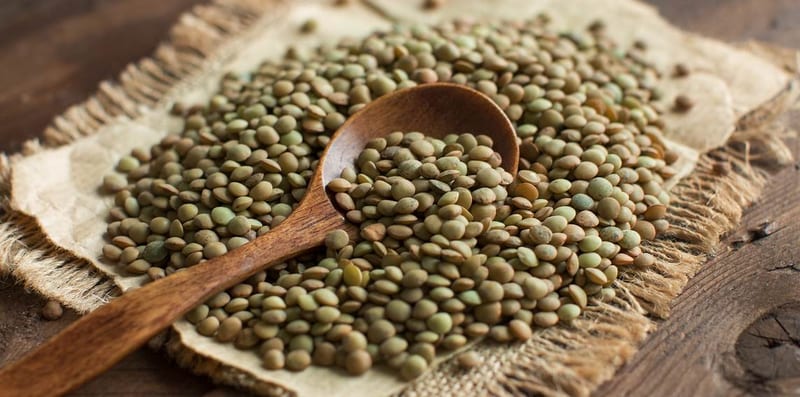
Lentils, locally known as kamande, are becoming an increasingly popular crop among Kenyan farmers. These small, lens-shaped legumes are packed with protein, iron, and fiber, making them a favorite in many Kenyan households. Lentils are not only nutritious but also profitable. They thrive in hot and dry areas, which are common in many parts of the country. If you are looking for a low-maintenance but rewarding crop, lentils may be your answer. This guide walks you through the simple steps to successful lentil farming in Kenya. Lentils farming in Kenya is a smart choice for farmers in hot, dry regions. The crop requires minimal inputs, matures quickly, and fetches good prices. [Photo: Courtesy] How to Succeed in Lentils Farming In Kenya Farming lentils in Kenya does not require much rainfall or expensive inputs. With proper planning, timing, and management, farmers can enjoy high yields and good market prices. Choose the Right Variety for Your Area Kenya supports the growth of several types of lentils. Selecting the right variety based on climate and market preference is key. Brown lentils – Most common, versatile, and suitable for most Kenyan soils. Yellow and red lentils – Fast-cooking and popular in households. Green lentils – Known for their peppery taste and firmness when cooked. Black lentils – Less common but rich in nutrients. Talk to local seed suppliers or agricultural officers for the best variety for your region. Ensure the Right Growing Conditions Lentils grow best in hot, sunny areas with low humidity. Ideal areas include Siaya, Wajir, Garissa, Ukambani, Kisumu, Kajiado, and the Coast. Sunlight – Need at least 6 hours of direct sunshine daily Soil – Loose, well-drained soil with a pH of 6.0–6.5 Temperature – Best between 25°C and 35°C Avoid waterlogged soils. Lentils do poorly in wet and cold environments. Prepare the Land Early Start land preparation early enough before the rains begin. Plough the land well to break down clods Aim for a fine soil texture to allow good seed contact Remove weeds and other debris Fine soil improves germination since lentil seeds are tiny and delicate. Planting the Lentils Use certified seeds to ensure healthy growth and good yields. Lentils are planted directly into the field by seed. Steps for planting: Wait for the onset of rains. Drill planting lines 1–2 inches deep. Space the lines 45 cm apart. Sow seeds 1 inch apart within the rows. Cover lightly with 1 inch of soil. Do not plant the seeds too close together. This allows space for the plants to grow well and reduces the risk of diseases. You will need about 12–15 kg of seed for one acre. Germination starts around 10 days after planting. Pest and Disease Control Lentils are relatively resistant to most diseases due to their preference for low-humidity areas. However, they can still be affected by pests and a few diseases. Common pests: Aphids Thrips Worms Control them with recommended pesticides and by rotating crops each season. Possible diseases: Root rot Blight White mould To manage diseases, remove and destroy affected plant parts. Avoid overhead watering and ensure proper spacing to allow air circulation. Harvesting and Post-Harvest Handling Lentils mature about 80 days after planting. You’ll know it’s time to harvest when most pods turn brown and dry. Harvesting tips: Harvest on a dry day to avoid mould. Pull up the plants and allow them to dry further if needed. Once dry, thresh and winnow the seeds to remove any debris. One acre can yield between 600 to 800 kilograms of lentils under good conditions. Market for Lentils in Kenya Lentils are in high demand across Kenya due to their nutritional value. They are a staple in many households and feature in both traditional and modern diets. Where to sell: Local open-air markets Mama mboga stalls Grocery stores Supermarkets Prices per kilo range between Ksh 200 and 350 depending on the season. Farmers can earn even more by packaging and branding their produce or selling directly to consumers.
Lentils Farming In Kenya for High Yields and Quick Returns (Kamande)
Media in this update
1 item
th
Photo
Lentils, locally known as kamande, are becoming an increasingly popular crop among Kenyan farmers. These small, lens-shaped legumes are packed with protein, iron, and fiber, making them a favorite in many Kenyan households. Lentils are not only nutritious but also profitable. They thrive in hot and dry areas, which are common in many parts of the country. If you are looking for a low-maintenance but rewarding crop, lentils may be your answer. This guide walks you through the simple steps to successful lentil farming in Kenya. Lentils farming in Kenya is a smart choice for farmers in hot, dry regions. The crop requires minimal inputs, matures quickly, and fetches good prices. [Photo: Courtesy] How to Succeed in Lentils Farming In Kenya Farming...
Source: nyakundireportblog Linked source