
Rosemary farming in Kenya is gaining popularity among small-scale and commercial farmers. This is because rosemary is a hardy, evergreen plant with many uses. It is used to flavour food, make herbal medicine, and even in the beauty industry. The plant grows well in semi-arid regions, making it a good option for farmers in dry areas. With proper planning and care, rosemary farming can be a low-maintenance and high-reward venture. Here is a step-by-step guide on how to succeed in rosemary farming in Kenya. You can sell rosemary fresh, dried, or processed into oils and teas. Dried rosemary has a longer shelf life and fetches a higher price. [Photo: Courtesy] Complete Guide to Rosemary Farming in Kenya Rosemary farming in Kenya can be rewarding when done with the right knowledge. This section breaks down everything you need to know, from growing areas to harvesting and marketing. Best Areas for Rosemary Growing in Kenya Rosemary thrives in warm climates and well-drained soils. The best regions for rosemary farming include: Eastern Kenya (such as Machakos and Kitui) Rift Valley areas (such as Naivasha and Nakuru) Northern Kenya Coastal regions (like Kilifi and Malindi) These areas have moderate rainfall and temperatures, which are ideal for rosemary production. Popular Varieties of Rosemary Grown in Kenya Kenya has several rosemary varieties to choose from. Here are the most common: Tuscan Blue This variety is known for its rich aroma and deep blue flowers. It can grow up to 6 feet tall and is ideal for commercial farming. Salem Salem has dark green leaves and blue flowers. It is slower-growing and best suited for small kitchen gardens. Arp Arp is a hardy variety with pale blue flowers and grey-green leaves. It is drought-tolerant and performs well in rough conditions. Barbeque This type also has dark green leaves and blue flowers. It is ideal for culinary use and grows well under full sun. Conditions Needed for Rosemary Farming To get the best results, ensure your farm meets these conditions: Full sun exposure for 6–8 hours a day Grows well at altitudes of 0–2000m above sea level Well-drained soil with a pH of 6.0–7.0 Moderate watering; rosemary hates waterlogging Ideal temperatures between 15°C and 30°C How to Prepare Land for Rosemary Proper land preparation is the first step in rosemary farming. Here’s how to do it: Soil Testing Begin by testing your soil to determine its pH and nutrient levels. You can contact certified soil testing labs in Kenya for this service. Clear the Land Remove weeds, bushes and any unwanted materials. Improve Soil Structure Mix in well-decomposed organic manure to enrich the soil. This improves water retention and plant nutrition. Ensure Proper Drainage Rosemary does not like soggy soils. If the area is prone to waterlogging, consider raised beds or furrows. How to Plant Rosemary Rosemary can be grown from seeds or stem cuttings. However, stem cuttings are more reliable and faster. Planting Using Stem Cuttings Get healthy 4–6 inch cuttings from mature rosemary plants Dip the cut ends into rooting hormone Plant in moist potting soil in containers or directly into the field Water lightly and ensure the area has enough light After 2–3 weeks, transplant them if started in containers Planting Using Seeds Select a suitable variety for your climate Sow seeds in pots or nursery trays Keep the soil moist until germination Transplant into the field after 2–3 weeks once seedlings are strong Pests and Diseases Affecting Rosemary Rosemary is generally resistant to most pests and diseases. However, you may encounter: Pests : Aphids Thrips Mites Diseases : Root rot (caused by overwatering) Powdery mildew To prevent damage: Avoid waterlogging Rotate crops Practise good farm hygiene Use organic or recommended pesticides if needed When and How to Harvest Rosemary Rosemary can be harvested once the plant starts flowering. Use clean scissors or pruning shears to snip off the leaves or sprigs. Harvest early in the morning for the best aroma and oil content You can harvest multiple times a year From one acre, farmers can expect an average of 4 tonnes annually The Market for Rosemary in Kenya There is a growing market for rosemary in Kenya and beyond. Buyers include: Food processors and spice companies Herbal medicine manufacturers Cosmetic and essential oil producers Local vegetable markets and supermarkets You can sell rosemary fresh, dried, or processed into oils and teas. Dried rosemary has a longer shelf life and fetches a higher price.
How to Start Rosemary Farming in Kenya and Make Profits
Media in this update
1 item
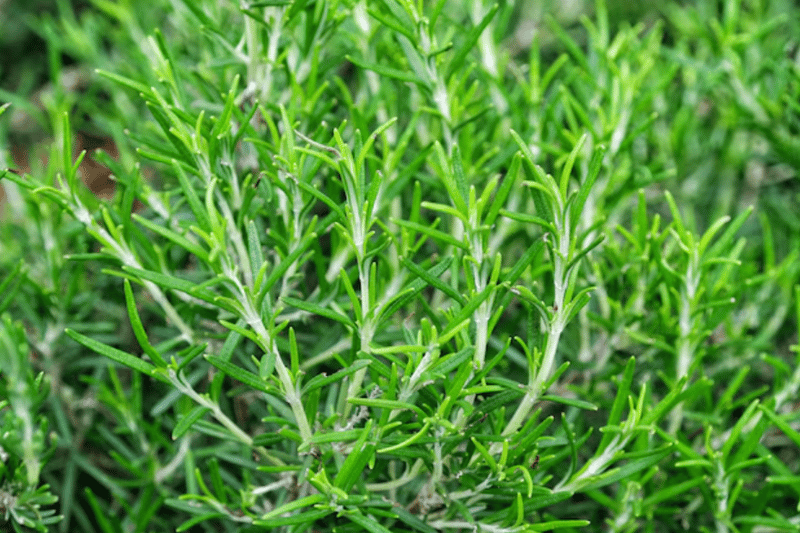
Rosemary plant
Photo
Rosemary farming in Kenya is gaining popularity among small-scale and commercial farmers. This is because rosemary is a hardy, evergreen plant with many uses. It is used to flavour food, make herbal medicine, and even in the beauty industry. The plant grows well in semi-arid regions, making it a good option for farmers in dry areas. With proper planning and care, rosemary farming can be a low-maintenance and high-reward venture. Here is a step-by-step guide on how to succeed in rosemary farming in Kenya. You can sell rosemary fresh, dried, or processed into oils and teas. Dried rosemary has a longer shelf life and fetches a higher price. [Photo: Courtesy] Complete Guide to Rosemary Farming in Kenya Rosemary farming in Kenya can be rewarding when...
Source: nyakundireportblog Linked source